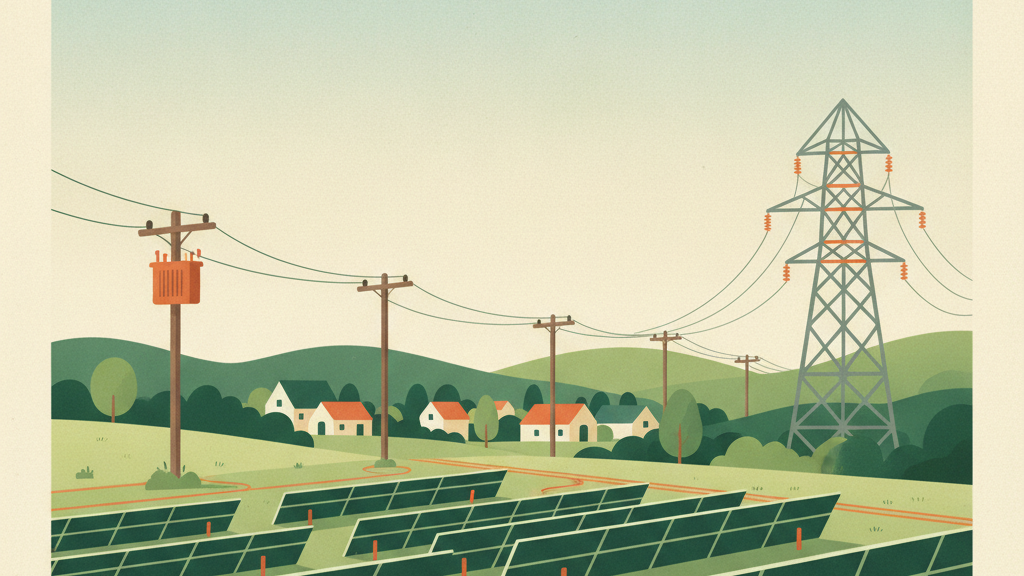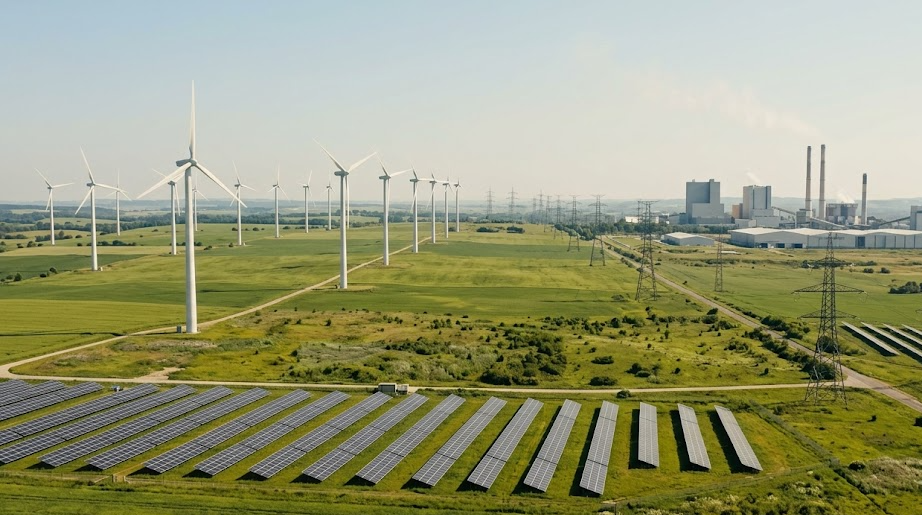

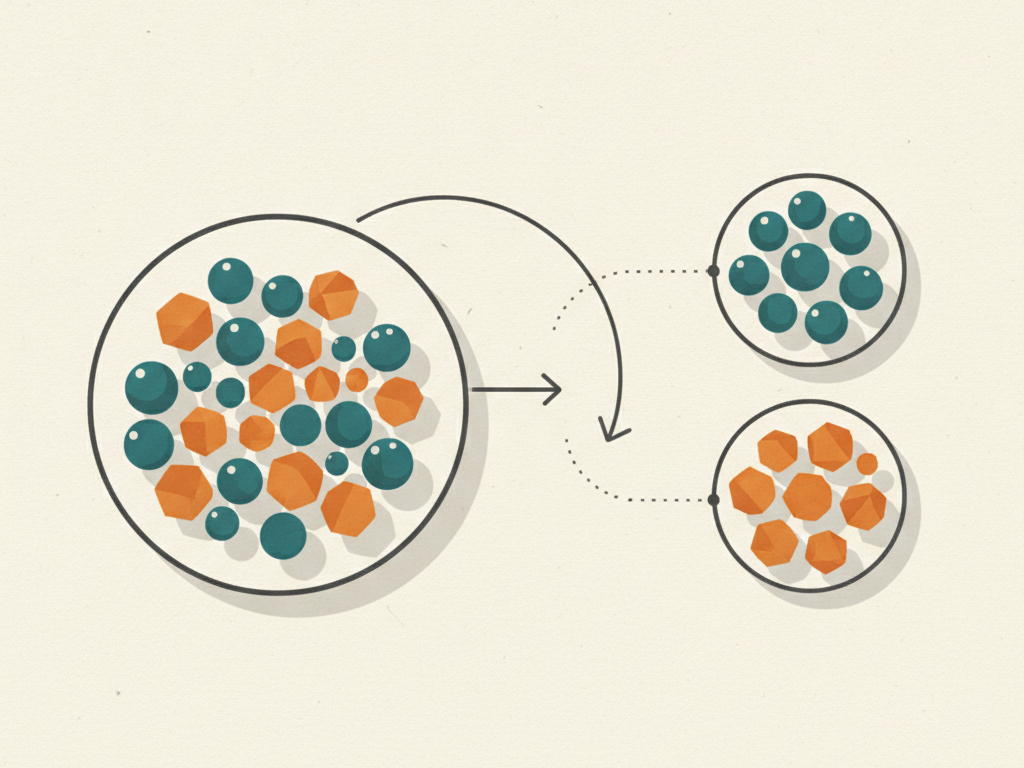
Three syllables have disappeared from the name of a law. At its February 12 plenary session, the National Assembly passed an amendment to the Act on the Promotion of the Development, Use and Deployment of New and Renewable Energy, and with it the law's title becomes the "Act on the Promotion of the Development, Use and Deployment of Renewable Energy." Provisions on hydrogen, fuel cells and integrated gasification combined cycle (IGCC) are removed from this law and moved to the Act on the Promotion of the Hydrogen Economy and Hydrogen Safety Management. Two energy families that had been fenced in together since the 1980s now each have their own law.
This is not an amendment that changes only a name. Until now, new energy facilities also received renewable energy certificates (REC), and the volumes issued that way were counted together in renewable energy deployment figures. Hydrogen extracted from fossil fuels and generation that turns coal into gas and burns it sat in the same column as solar and wind. It is one of the reasons Korea's renewable energy share read more generously than it actually was in international comparisons.
After the amendment, government statistics and reports will be organized to cover only renewable energy, including solar and wind. The classification items narrow to eight types. Once the statistics begin to reflect reality accurately, the renewable energy share tallied right away may come out lower than it is now. But what matters more is that all the work of setting targets and allocating budgets proceeds from an accurate starting point.
The hydrogen side has been sorted out as well. The amended Hydrogen Act newly includes a definition of hydrogen energy and a definition of hydrogen energy facilities including fuel cells, and the support provisions that were in the existing law have been moved over. Benefits such as special provisions for private contracts on state and public property and rent reductions have also been re-established for hydrogen energy operators. Portions where identical support was duplicated across the two laws have been pared away.
The same amendment also contains a provision on setback distances for renewable energy facilities. Until now this standard was set separately by each local government's ordinance, and under the pre-amendment standards there was a tenfold gap ranging from 100 meters to 1,000 meters. Going forward the state will set a consistent standard and exceptions, and setback distance regulation is prohibited in principle. Exceptions are recognized only in places with a clear need for protection, such as cultural heritage protection zones and ecological and scenic conservation areas.
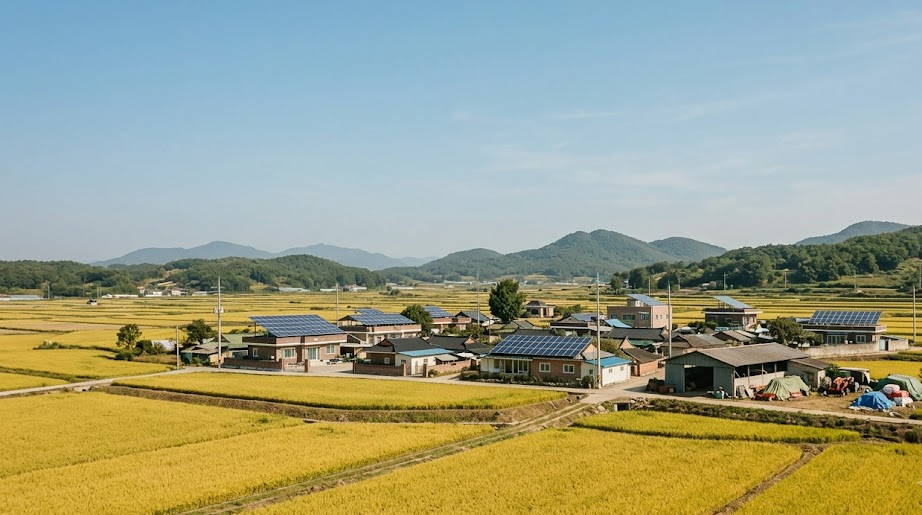
Near residential areas and roads, regulation is possible only within an upper limit, and resident-participation generation facilities are excluded from application altogether. Whether the uncertainty that made a project's success hinge on which city or county it went to will be largely lifted depends on the subordinate statutes. The government plans to revise the enforcement decree and enforcement rules after the law is promulgated, spelling out the details of the national standard and the scope of exceptions. How many meters the upper limit is set at will be decided at that stage.
The industry also issued a welcoming statement. The Korea Renewable Energy Association Federation (chairman Kwon Young-ho) released a commentary on the day the separate legislation passed and pointed to the tasks that remain. It called for raising targets further, lowering permitting thresholds, resolving the grid connection problem that leaves generators idle because they cannot hook up to the power network, and creating fair market rules that operators can calculate on in advance. Secretary General Jung Woo-sik expressed thanks to the lawmakers who took part in proposing and reviewing the bill.
A change in the system does not make power plants stand up on their own. It will take time for setback distance ordinances to actually be revised and for the new statistical standards to be reflected in a first report. In the meantime the surest route to participation is open on the resident-participation generation side. As the only type left out of setback distance regulation under this amendment, looking up an energy cooperative in your area or a notice for a resident-participation project is the nearest door to the next step.