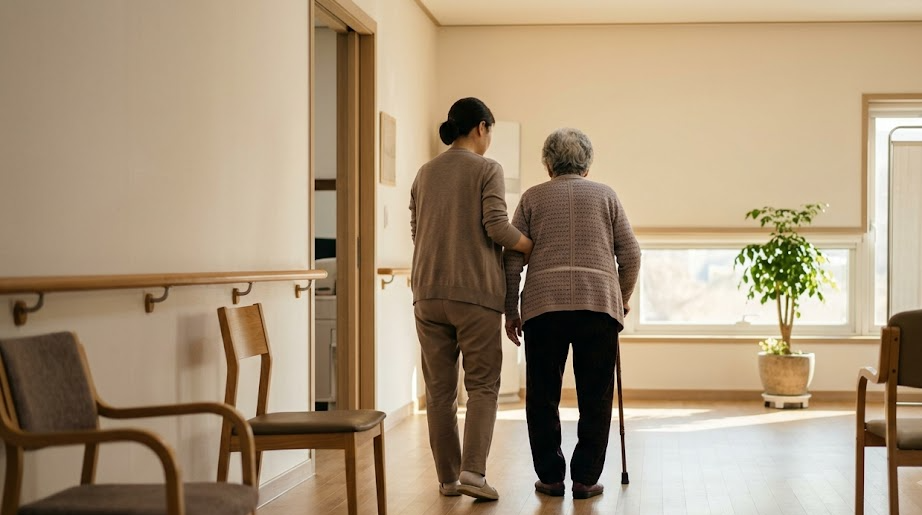
The Act on Integrated Support for Community Care Including Medical and Long-Term Care, which allows older adults and people with disabilities in need of care to receive medical, long-term care and care services where they live instead of moving to a facility, takes full effect on March 27. The pilot stage ends and the main program begins. Pursued as a government policy task, the system is now in final preparations with all 229 local governments nationwide taking part in the pilot program.
The institutions that will support the system have also been decided. On the 4th, the Ministry of Health and Welfare handed certificates of designation to 20 specialized integrated care institutions at a hotel in Seoul. The National Health Insurance Service, the National Pension Service, the Korea Disabled People's Development Institute, the Central Social Service Institute and 15 metropolitan and provincial social service institutions, and the Korea Human Resource Development Institute for Health and Welfare, which handles the training of specialized personnel, were on the list. The ceremony was presided over by First Vice Minister of Health and Welfare Lee Sran.
These institutions assist with policy design and performance evaluation, and support the process of assessing and determining eligible recipients and drawing up service support plans. They also take on the work of developing services suited to each region and managing their quality, and of training field personnel and educating workers. The law sets the framework of the system, but putting flesh on that framework is ultimately the work of these organizations.
Progress in preparations on the ground varies by region. On the 4th, South Gyeongsang Province announced its key welfare measures for this year at the provincial office, saying it had created an integrated care division and set up 305 integrated care service desks in every eup, myeon and dong in the province. This year 429 additional dedicated staff will be assigned, and city and county specialized services will be added on top of nine standard services. Kim Young-sun, director general of the Women's Welfare Bureau, gave the briefing.
South Gyeongsang Province also has arrangements to separately look after residents who have not cleared the threshold of the formal welfare system. Last year about 1.3 billion won in hope support payments went to 1,858 people, and this year the eligibility standard will be lowered. Jobs for older adults will rise by 4,300 from last year to 75,000, and operating expenses for senior centers will be supported at 130,000 won a month starting this month. Added to this are 5,739 sets of the "happiness table" placed in senior centers and nine newly launched "Just Give" sites.
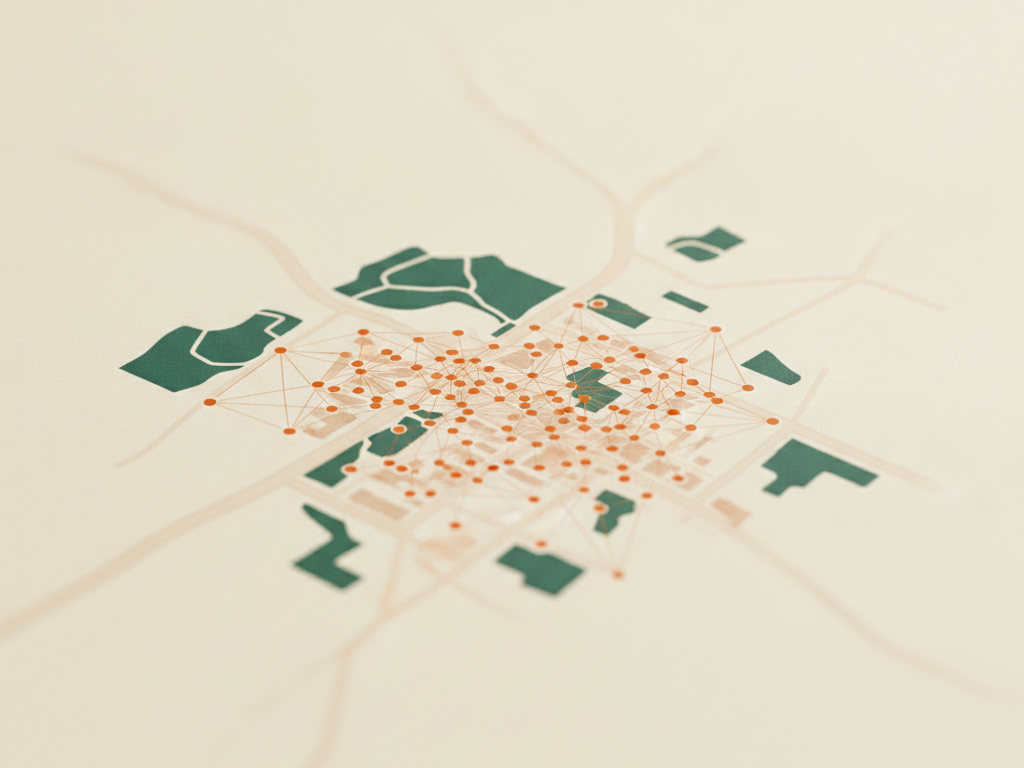
In Ulsan, the Ulsan Welfare Family Promotion Social Service Institute received a certificate of designation as a specialized institution from the National Health Insurance Service. It is understood to be the second consecutive year of designation. The institute has formed a dedicated care program unit of nine people and runs 11 projects and research tasks together, including emergency care support, the building of temporary housing infrastructure and AI smart care. AI smart care, which monitors single-person households and older adults around the clock, rescued 17 people last year and will be expanded this year to all five gu and gun districts.
Even before full implementation, this institution has been running a one-stop model that connects medical care, welfare, housing and care at once for discharged patients and disaster victims. It is an attempt to change the pattern in which people who walk out the hospital door cannot find anywhere to go and return to a hospital bed, into one in which the community takes them in. This is precisely where the task facing integrated care lies.
On the 29th of last month, the Daegu Metropolitan Government called in gu and gun integrated care department heads and public health center division chiefs for a briefing on the status of preparations. Presided over by Lee Jae-hong, director general of the Health and Welfare Bureau, the meeting reviewed the status of dedicated organizations in each gu and gun, plans for assigning dedicated staff, and the establishment of eup, myeon and dong delivery systems. Daegu set the period from 2024 through last year as a preparation and implementation phase, enacting ordinances, drawing up promotion plans and building a public-private cooperation system. The Daegu model is named "Dandi Care."
There is no way to compare the state of preparations across regions by the same standard. South Gyeongsang Province offered numbers of staff and service desks, Ulsan the size of its organization and the number of projects, and the tallies of organizations and staff that Daegu reviewed have not been made public. Each is describing its preparations in its own terms, so which region is how thoroughly prepared will only become clear once the main program is running.
About a month and a half remains. Once March 27 passes, the staff sitting at the service desk will actually look at an older person's face, make a determination, draw up a plan and attach services. Whether people can avoid leaving the rooms they have long lived in and the alleys they know is decided at that desk. The service desks in every eup, myeon and dong are now open.