
Who held the power to decide where a person would be sent after being born? If that decision was tangled up with both a family's circumstances and society's circumstances, who has to repay that share later? Cho Hae-jin's novel "A Simple Sincerity" pushes this question forward in the form of fiction.
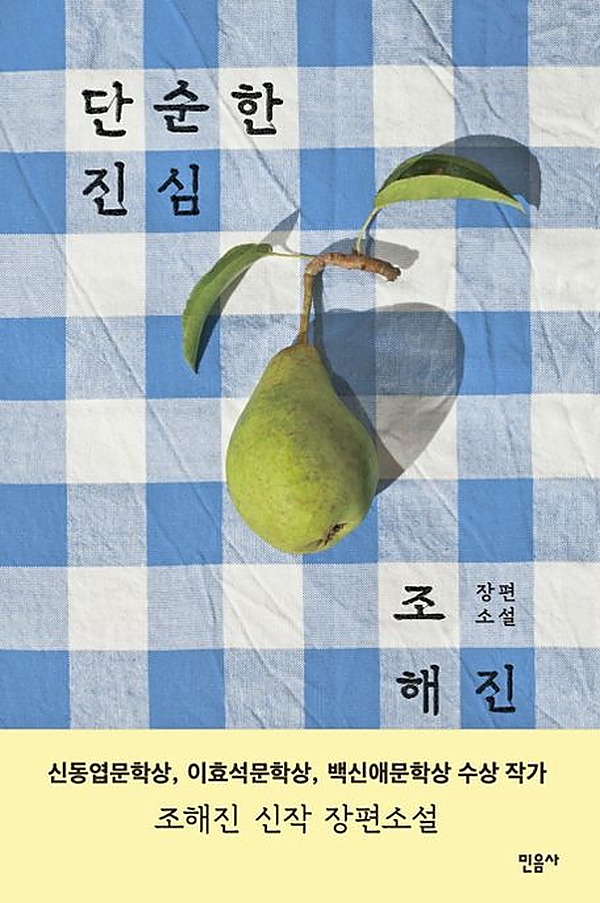
Published by Minumsa in 2019, the work follows the journey of a person adopted overseas who returns to Korea in search of her own starting point. What the returnee encounters, in place of a clear truth, is blanks in the records, memories that contradict one another, and the silence of those who stayed. Cho Hae-jin chooses to look at those blanks for a long time rather than fill them loudly.
The texture of the novel is calm. It does not dramatize the story, nor does it push the reader along by putting emotion out front. The first virtue of this book is that it steps aside from the grammar of tears that the subject of searching for one's roots usually falls into.
Translated into the language of welfare, this novel is a story about the outsourcing of care. When the conclusion was reached that the child could not be raised, it was individual families that decided where to send the child, but the channel that made that decision possible was built by society. After the state passed the burden of care beyond its borders, the individual takes on the task of recovering her own point of departure by herself over a lifetime. The novel quietly reveals that asymmetry.
What returnees need is accessible records more than words of comfort. If it is not settled what remains where and who may view it, the search for roots is left to an individual's stamina, expenses and luck. This is why the work holds up for readers in welfare and public administration. Literature senses the gaps in institutions before statistics can catch them.
The limits are also clear. This novel does not explain the names and procedures of the institutions. Readers who want to know by what route and in what way things went wrong will have to look elsewhere. What the novel takes on is the sensation left in one person after the institutions have passed through, and translating that sensation into the language of policy is left to the reader.
Stories on similar subjects usually run toward the moment of reunion, but Cho Hae-jin looks at the time that does not end even after the reunion. The recognition that a meeting does not solve everything, and the refusal to hastily equate understanding with reconciliation, set this work apart. That is why it lingers so long after reading.
Since it is a novel that leaves the names and procedures of institutions blank, a reader hoping for an answer within reach may feel empty closing the last page. The story is easily consumed and scattered as one individual's affair, and it takes more effort from the reader for it to carry over into a public discussion about who should record what and open it up. Even so, the sensation Cho Hae-jin holds on to is not easily erased. Follow the returnee's steps long enough and the share that the side who sent her away should have borne gradually comes into view.