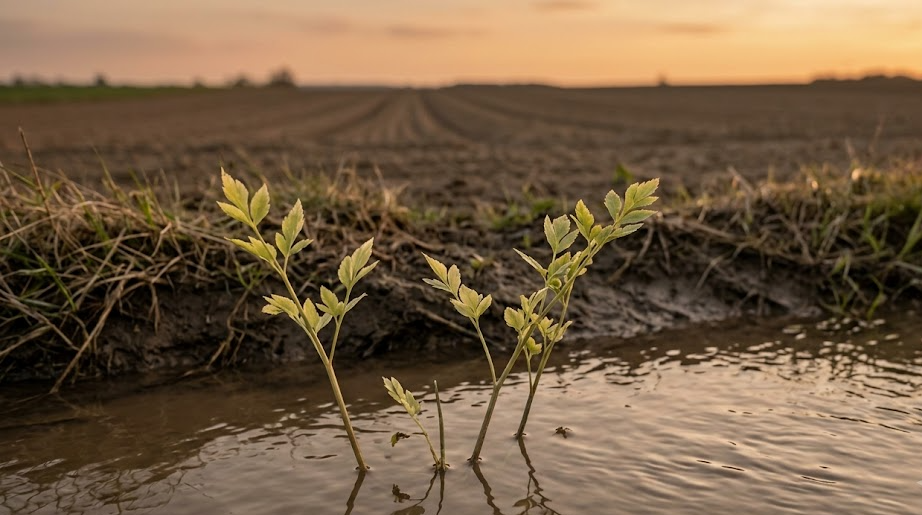
There is a plant that grows on its own once you plant it by the water. It needs little tending, and it grows better in the second year. Lee Isaac Chung's 2020 film "Minari" took the name of that plant as its title. It is the story of a family planting Korean vegetables in the soil of Arkansas, so the title is the name of a crop before it is a metaphor.
In 1983, the four members of the Yi family leave California and move to rural Arkansas. The father, Jacob, plans to clear the open land, grow Korean vegetables and sell them in Dallas. The first thing he did on arriving was to turn down an offer to dowse for a water vein and dig a well with his own hands. Paul, a neighbor who served in the Korean War, helps him with it.
The mother, Monica, sees it differently. The new surroundings are a disappointment, and her son David's heart is a worry. The boy grows up hearing that he must not run too hard. The couple work as chick sexers at a nearby hatchery, and they quarrel without knowing the children can hear.
With no one to watch the children during the day, the couple bring over Monica's mother, Soonja, from Korea. David has to share a room with his grandmother, and he meets someone entirely unlike the grandmother he has imagined. It is the moment when care crosses a border and is placed in a single room.
The reason for taking this film out again during Family Month is the garden. In an immigrant household's economy, a vegetable patch is a way to cut food costs, and it is also a vessel for transplanting the tastes of home and a sense of the seasons. The hand that decides what to plant is the hand that decides what to pass down.
"Minari" divides that hand in two. A field to be cleared and sold at market, and a small plot planted quietly by the water.
This split is the frame of the film. The father's field has to prove success, and the seeds the grandmother brought have nothing to prove. The film shows through two plots of cultivated ground, without preaching, that keeping a tradition and making a living from it do not always look in the same direction. The friction that arises when talk of preserving local seeds and the taste of a hand collides with the language of commodification is not far from here.
The direction trusts texture over incident. Thin walls, the color of earth, the noise of the chick-sexing floor explain the characters' circumstances in their place. Because the screenplay draws on the director's own experience of growing up, young David's eye level often determines the height of the camera. The adults' quarrels, witnessed by a boy who does not understand them, reach the audience only in fragments as well.
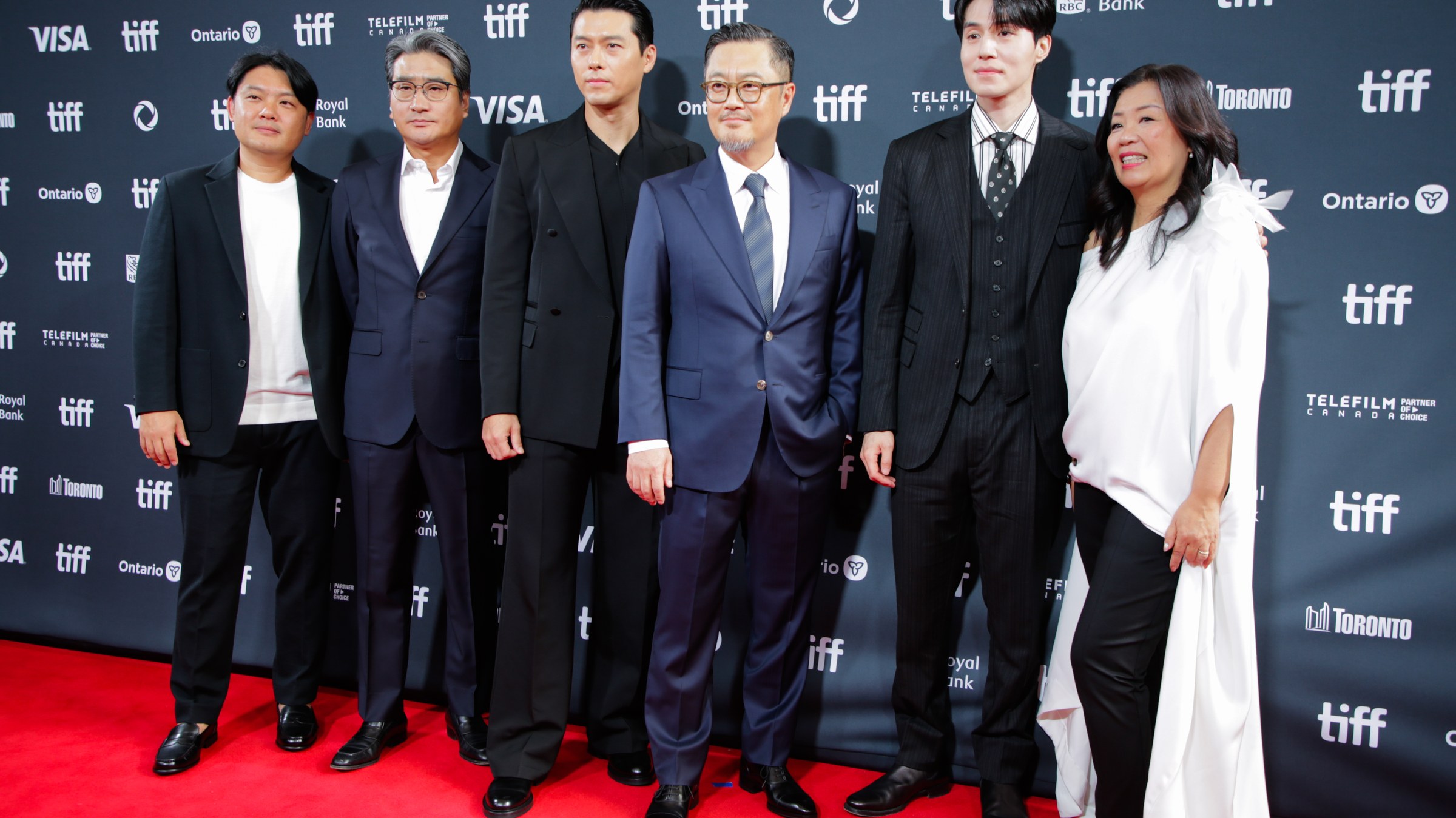
Soonja, played by Youn Yuh-jung, is the film's counterweight. She keeps betraying the image of the affectionate grandmother her grandson expected, and that betrayal is what makes us see another face of care. For this role she won the Academy Award for Best Supporting Actress, and she took the same category at the British Academy Film Awards and the Screen Actors Guild Awards. The film took both the Grand Jury Prize and the Audience Award at the Sundance Film Festival.
If there is a shortcoming to note, it is the density of the father's side of the story. As the decisions surrounding the farm's success or failure are compressed into the couple's arguments, the audience has to fill in by guesswork why Jacob had to dig that well with his own hands. Building up a character's stubbornness through repetition instead of explanation is plain, but that repetition thins out toward the later stretch.
Viewers who want dramatic events to follow one another densely have no particular reason to make time for it. While the daily work of digging a well, sowing seeds and drawing water again repeats, the story rarely ties anything off. The same goes for those who want to see a clear ending of success or defeat in an immigrant story.
Soonja will also be an uncomfortable figure for anyone who wants to keep only affection inside the word grandmother. To keep from disliking an old woman who plays hwatu and spits out coarse words, the viewer has to put in some effort as well. This farm shows its second year only to those who do not begrudge that effort.