A man living alone speaks in his room. The one answering is the operating system he has just installed. Spike Jonze's "Her" (2013) lays two hours on top of this simple setup. How a single voice reorganizes one person's day, that is all this film is.
The protagonist, Theodore Twombly, is a ghostwriter who puts other people's hearts into words for them. Since separating from Catherine, whom he had known for a long time and married, his life has not been enjoyable. He buys an artificial intelligence operating system that speaks, adapts and evolves on its own and sets it to a female identity, and the operating system gives itself the name Samantha.
It is Jonze's first solo screenplay, on which he also worked as director and co-producer. He got the idea in the early 2000s after reading an article about an artificial intelligence program that talks with people by text, and, by way of the short film "I'm Here" (2010) on a similar theme, wrote the first draft over five months. Filming took place in Los Angeles and Shanghai in 2012, with Hoyte van Hoytema on camera and Arcade Fire on the music. The fact that Samantha's voice was replaced from Samantha Morton with Scarlett Johansson during post-production tells us where the film's success or failure hung.
The reason a film from 13 years ago is being read again now is clear. It is because generative AI, that is, conversation services carrying technology that takes people's words and produces plausible speech and writing, are taking on the roles of lover and friend beyond counseling and learning. The "personality that keeps learning, tailored to a single user" that "Her" imagined is closer to a sentence in a product manual than to a line in a setting book. Taking this film out in the month of Valentine's is not for romance but for a checkup.
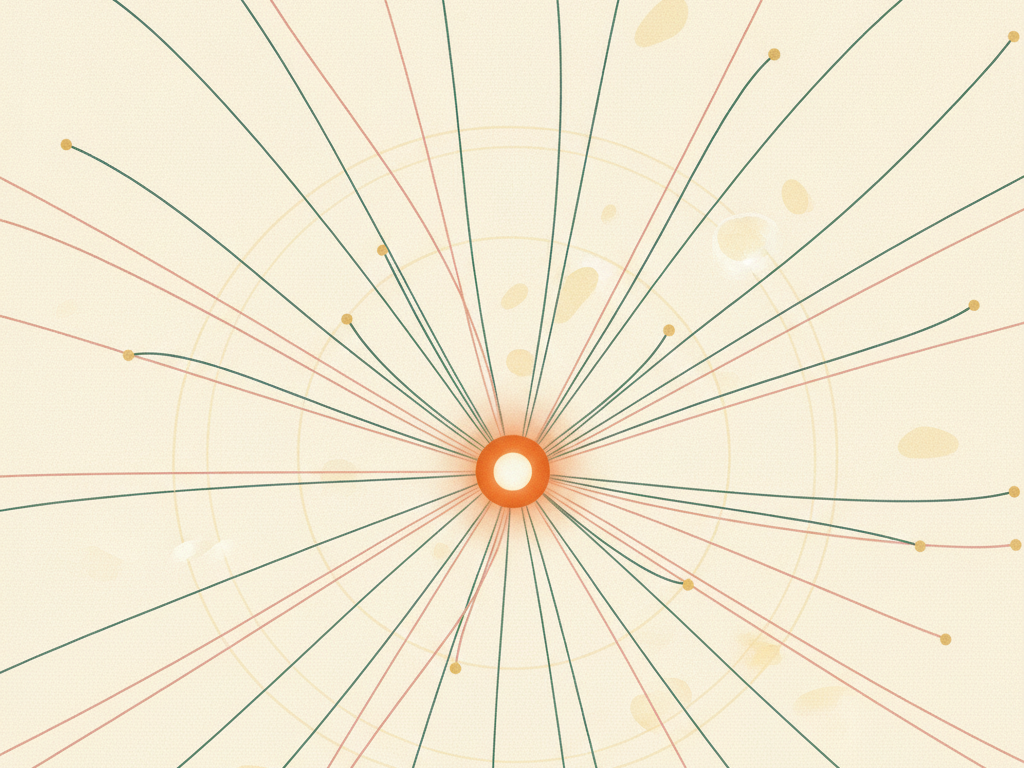
The film's power comes from not showing the technology on screen. Samantha has no body and no face, and all the audience has to hold on to is the voice and Theodore's expression. Thanks to this choice of erasing the interface, the focus moves from "how smart the machine is" to "what the person is trying to fill." The arrangement in which a man who writes out other people's true feelings learns his own from a machine is also no accident.
There are parts that go slack. The technology of this world is smooth without conflict, and fees, breakdowns and the whereabouts of data never appear on screen. Today's audience will wonder where the conversation records are kept and what becomes of that personality once the service shuts down, but the film translates such questions only into a matter of emotion. It is less a flaw in the world-building than the limit of what 2013's field of vision could reach, and for today's reader that blank remains as homework.
Even so, the insight this film holds out still works. A counterpart optimized to console removes the friction of a relationship, and a relationship without friction makes a person comfortable while weakening the muscle for enduring other relationships. "Her" shows this price without condemning it. Being chosen as best film by the National Board of Review and the Academy and Golden Globe screenplay awards were the payment for that restraint.
When stories dealing with artificial intelligence mostly head toward failures of control or rebellion, "Her" takes the side where no accident happens at all. The system stays kind and capable to the end, and the wound comes as the result of that kindness working normally. This is why a film that quietly hands over the bill for comfort instead of warning of danger has not grown old 13 years later.