There are jobs whose duties consist of dying. Mickey Barnes in "Mickey 17" signs up for that job himself. When he dies he is printed again, and his memories are restored and joined back on.
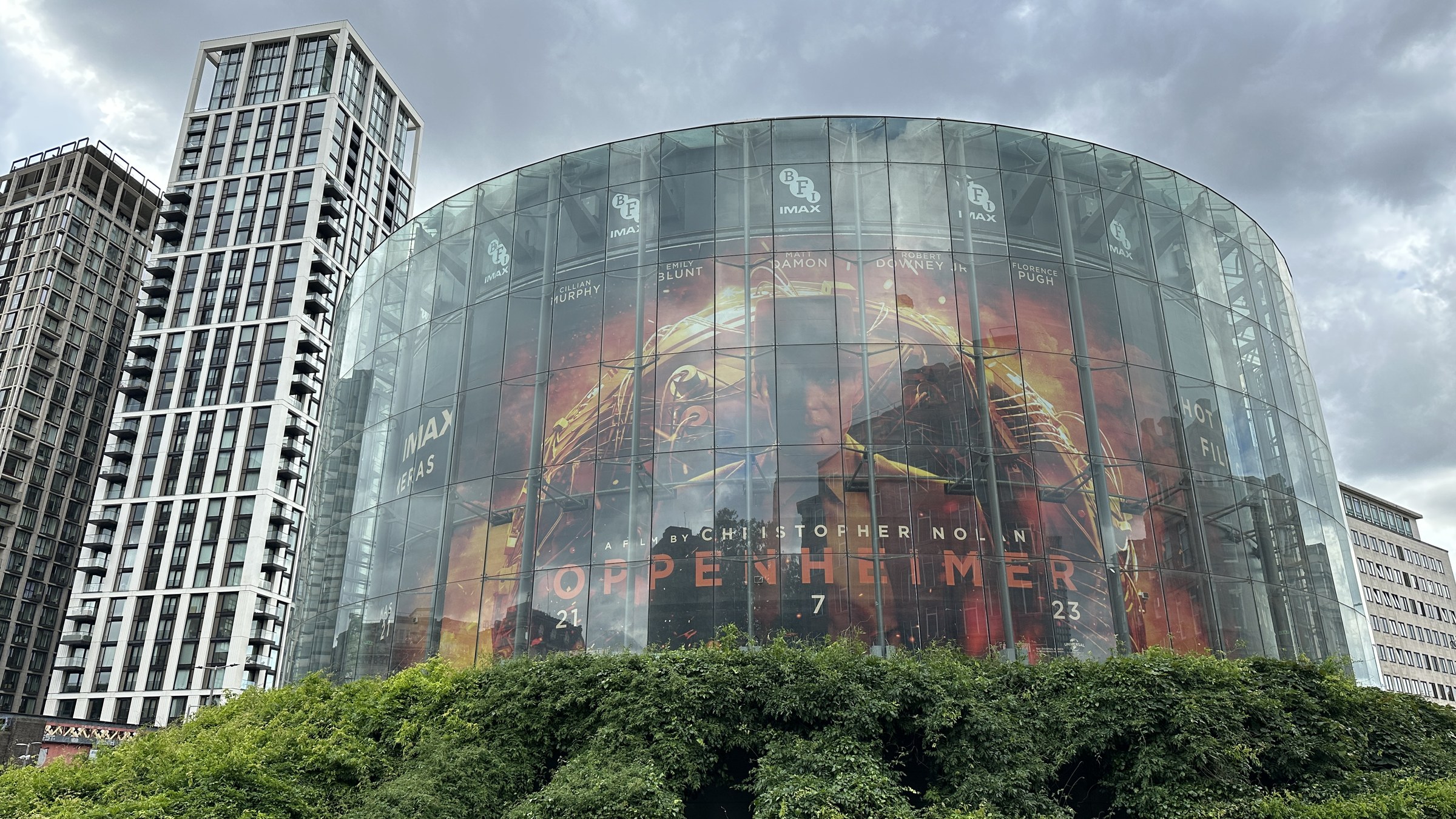
It is a 2025 film written and directed by Bong Joon-ho, based on Edward Ashton's novel "Mickey7." Its Korean release date was February 28. In 2050, Mickey and his friend Timo, on the run from loan sharks, board a colony ship bound for the ice planet Niflheim. Timo becomes a shuttle pilot, and Mickey signs on as an "Expendable."
The Expendable is the post that takes on the most dangerous missions. Death is part of the procedure rather than an accident, and after each death a "reprinting" produces a new clone carrying the memories. On the planet they reach four years later, scientists use several Mickeys to make a vaccine against a native pathogen. The word mission is used in place of the words human experiment.
The film's focus is not the mechanics of the cloning device but the structure of the contract. Setting aside a being made to bear the risk instead of reducing the risk is already the grammar of reality. On sites where automation has been introduced, the work that remains is the work machines do not do, and remote operation and unmanned systems pull people out of danger while also re-selecting who stays behind.
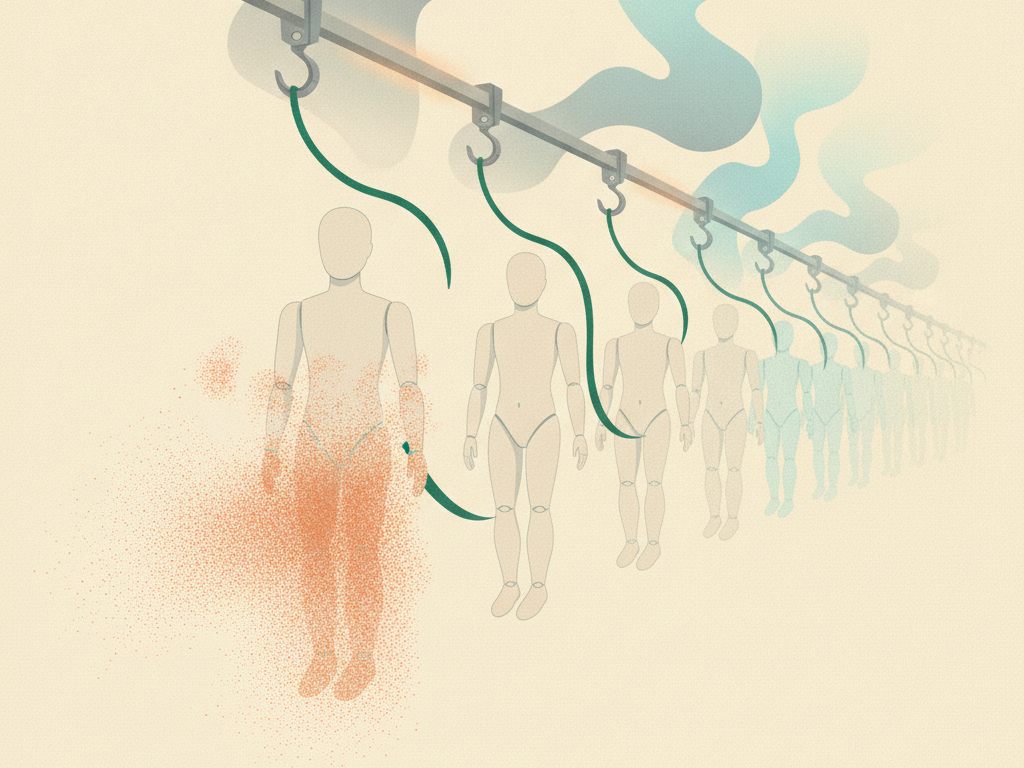
The premise of restoring and attaching memories also touches on a question of the present. Is the previous person's contract carried over intact to the one who holds the spliced memories. The film sets this question down as a matter of pay and work schedules rather than of philosophical debate.
The direction deliberately roughens the smoothness of the science fiction genre. Even while dealing with space colonization, the places the camera lingers on are the sites of daily life, such as narrow corridors and laboratory tables. The Mickey played by Robert Pattinson is not heroic, and even as he goes through his own death over and over he moves on to the next mission on schedule. That flatness is the film's chilliest device.
There are parts that are less convincing. When power is caricatured through Kenneth Marshall, the politician leading the expedition, the larger the target of the satire grows, the looser the fine-grained concern with the labor contract becomes. The scenes that produce laughs and the scenes that dig into the contract terms do not always fit together at the same tempo. The film was generally well received by critics but failed to recoup its production costs, and moved to online streaming on April 7, a month after its U.S. release.
The places the camera lingers on are narrow corridors and laboratory tables. Even after going through his own death, Mickey walks to the next mission at the time written on the work schedule. Neither protest nor resignation surfaces on his face.