The government has unveiled a "Korean-style green transition (K-GX)" strategy that will invest 1,000 trillion won over the next 10 years. Of this, the private sector was presented as investing 220 trillion won over 10 years in core clean materials and other areas. For renewable energy, a target of reaching 100GW in installed capacity early, by 2030, was attached as well. A year-by-year execution plan for the total amount was not included in the strategy announcement.
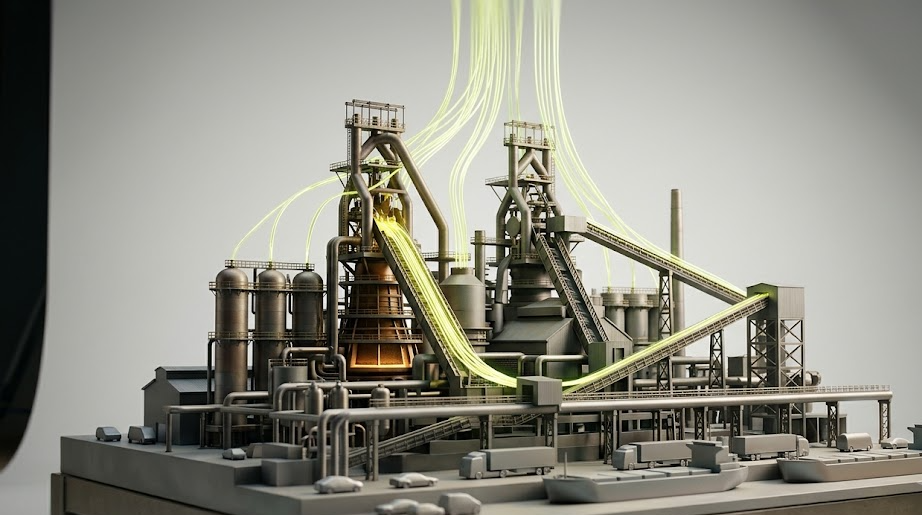
The sector placed at the center of the strategy is steel.
The government is pursuing a 300,000-ton-class hydrogen reduction steelmaking demonstration with 2030 as the target date. Whether the 300,000-ton production capacity is an annual figure or the scale of a single facility is not stated in the strategy. The plan also includes separately pushing ahead with measures related to low-carbon steel in 2027. The reason for starting with steel is that its emissions are large and reductions require changing the process itself.
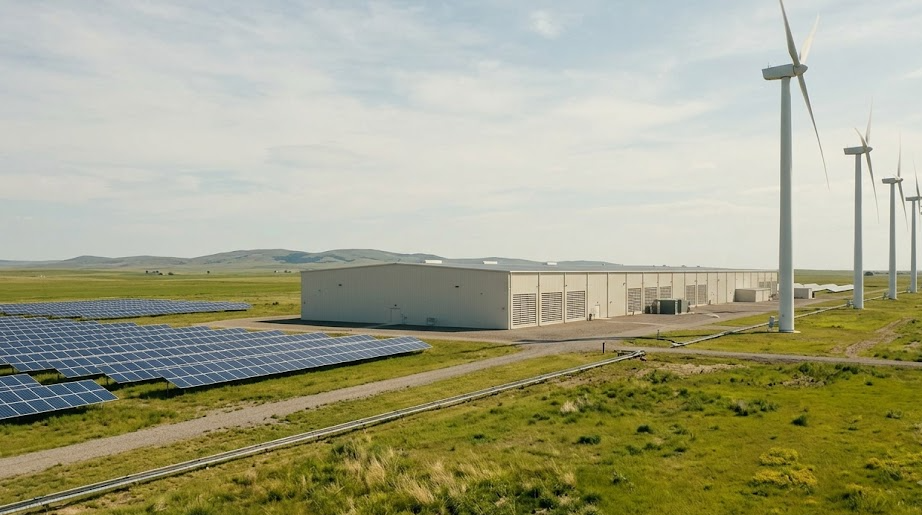
It has been pointed out that "greenflation," in which decarbonization costs pass through material prices to downstream industries such as automobiles and shipbuilding, could materialize. Estimates of when and how much price pass-through will occur are not included in the strategy. If the 2027 measures take effect before the price premium on low-carbon steel products is disclosed, the side that has to gauge the cost impact will be the buyer companies.
The new mechanism introduced on the funding side is transition finance. Under the existing green finance framework, sectors with high emissions had difficulty borrowing money, and K-GX designated the supply of process transition funds for these sectors as the target of transition finance. The scale, funding sources, and start date were not included in the material presented. The point at which the criteria for selecting target sectors are disclosed will determine the investment decisions of high-emitting sectors.
Similar designs are in operation abroad as well. Japan has set out an "Industrial Strategy GX 2040" vision to achieve economic growth and decarbonization together, and China operates one of the world's largest green finance markets and supports the raising of investment funds for clean energy and green infrastructure. Major countries including those in Europe are treating the climate crisis at the level of national strategy. It is difficult to compare K-GX with these on the same basis in terms of investment scale and duration.
The confirmed schedule consists of the 2027 low-carbon steel measures, the 300,000-ton hydrogen reduction steelmaking demonstration in 2030, and 100GW of renewable energy. In which document and in what form the criteria for transition finance target sectors and the year-by-year allocation of the 1,000 trillion won will be presented remains to be confirmed.