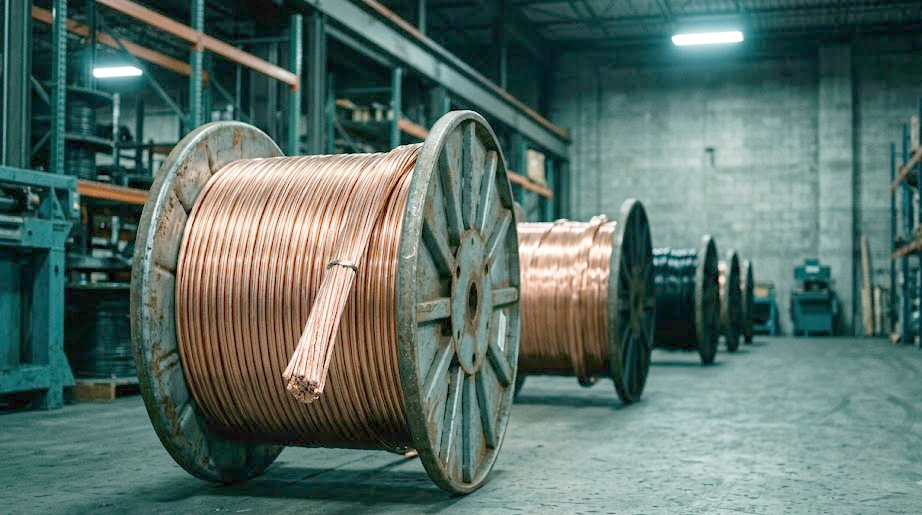
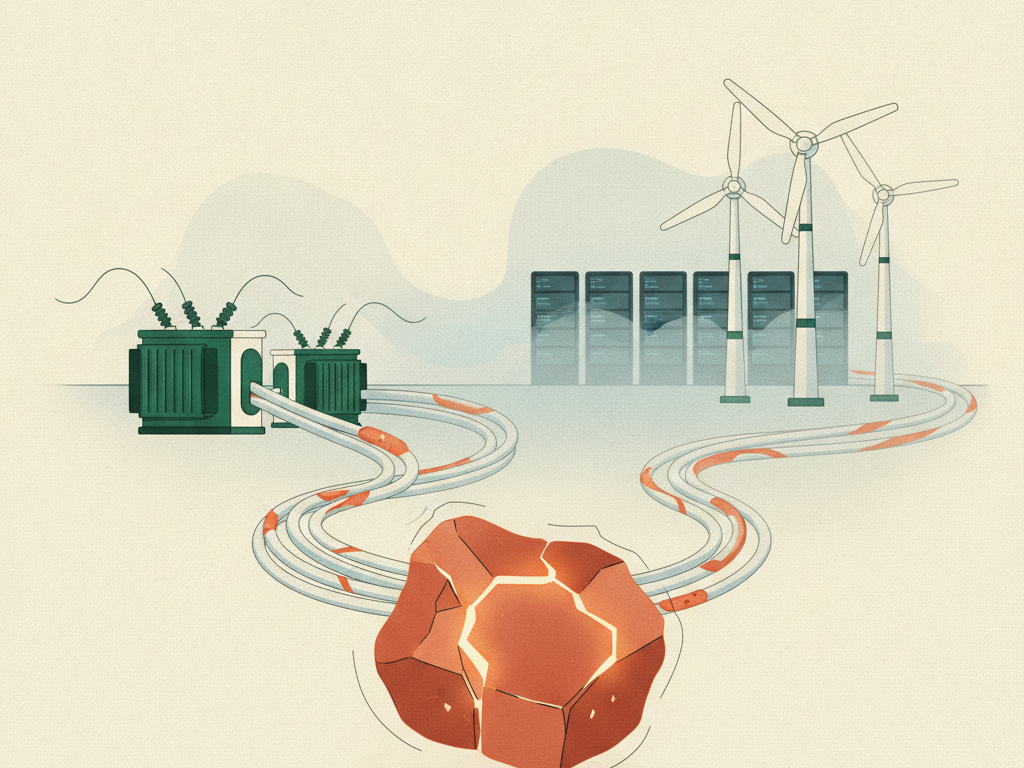
Copper prices have broken their all-time record. The international price rose as high as $14,533 per ton. The metal that goes into every electric wire, transformer and motor winding has reached its highest price ever. The bottleneck holding back the energy transition has moved from technology to metal.
Demand is what pushed the price up. AI data centers are going up one after another on every continent. Work to replace aging power grids is under way at the same time.
With investment in solar and wind power facilities added on top, several kinds of construction have piled up within a few years. All of them use large amounts of copper.
Supply cannot grow as fast. Major mines are aging, which makes it difficult to raise output in a short period. On top of this, production has been disrupted in major producing countries.
The possibility of expanded U.S. tariffs also pushed prices higher. Copper shipments have also been flowing toward the United States. When one region pulls in and builds up inventory, inventory in other regions falls by that much. Where the metal is located is reflected in the price.
One analysis put the increase over the past 12 months at 47%. Forecasts continue to suggest that supply growth may not keep pace with rising demand.
When prices rise, what the countries that own the land ask for also changes. Resource nationalism is growing stronger in Africa and South America, and discussions on requiring mined ore to be processed locally are spreading. These are different conditions from the past, when countries simply exported ore. If processing requirements expand, multinational companies will have to pursue local investment and supply chain diversification together.
More expensive metal eventually comes back as higher construction costs and utility bills. The project cost of a single substation or a single offshore wind farm changes. The more a plan aims to speed up the transition, the more it is shaken by metal prices.
It is hard to pick out a single party at fault here. Companies building data centers, governments expanding power grids and producing countries seeking to grow their own industries are each making reasonable choices. As those choices meet over a single metal, the price has jumped.
Increasing the amount newly mined takes a long time. Recovering copper that has already been extracted and used is a shorter path. Copper does not lose its ability to carry electricity even when it is melted down and drawn out again. Bringing copper scattered outside the mines into a recovery system can ease the burden on supply.
Open just one drawer and several unused charging cables turn up. Broken power strips, old routers and electric fans that no longer spin also remain in every household. If they are sent to e-waste collection bins or free municipal pickup instead of pay-as-you-throw garbage bags, the copper inside becomes electric wire again without passing through a mine.