The May 18 Democratic Uprising Archives will hold an international exchange exhibition of May 18 documentary photographs at the University of Michigan in the United States. The photographs on display were selected from the May 18 records inscribed on UNESCO's Memory of the World Register. Many of them are materials at the core of the inscription.
The names of the people who pressed the shutter in Gwangju in May 1980 appear on the exhibition list. Korean photojournalists include Na Kyung-taek, Lee Chang-sung, Shin Bok-jin, Jang Jae-yeol, Kim Young-bok and Cho Sang-gi. Photographs left by Rev. Huntley will also be displayed. Work by foreign correspondents Norman Thorpe, Robin Moyer, François Lochon and Patrick Chauvel fills the adjacent walls.
Photographs are not the only items on display.
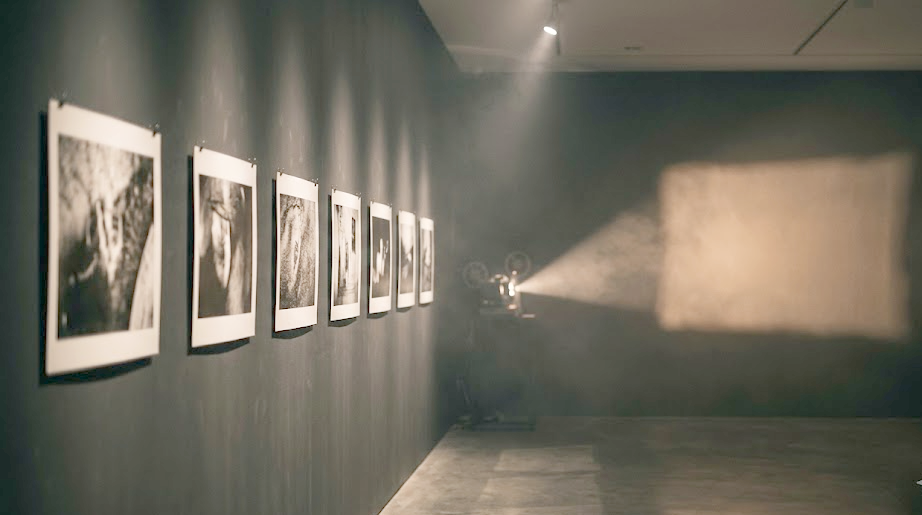
An 8mm film shot by citizen Mun Je-seong around Geumnam-ro on May 21, 1980, was discovered and restored after 45 years, and it will be shown as video at this exhibition. 8mm is a small-format film for home use. The footage was captured by a person standing on the street with his own camera.
The exhibition features 90 photographs. Related events such as a symposium and a book fair will also be held. The program was designed to explain the history of May 18 and the values of democracy and human rights to the international community. The exhibition photographs were provided by Jeonnam-Gwangju Integrated Special City.
Inscription as documentary heritage is a procedure for preservation. Inscribed originals stay in storage facilities where temperature and humidity are controlled. Reproducing those originals and hanging them on the walls of a university in another country requires a different calculation from preservation. The more images are exposed to light, the more they deteriorate.
How black-and-white photographs taken in Gwangju will be read on the walls of an American university is up to the visitors. Batons, trucks and the hands of people carrying coffins come across without interpretation. The same goes for the coarse grain of the 8mm film.
The exhibition dates and venue, as well as the symposium schedule, will be announced in turn by the Archives and the University of Michigan. Those who cannot travel to the United States can see the originals of the same photographs at the May 18 Democratic Uprising Archives in Dong-gu, Gwangju.