How much would it amount to if the refrigerant inside discarded air conditioners were collected again? LG Electronics said it will raise its waste refrigerant recovery volume to 81 tons a year by 2030, about seven times the 2024 level. That is enough to fill 100,000 wall-mounted air conditioners of the 20-square-meter class. As the Ministry of Climate, Energy and Environment in 2026 designated 16 companies and industrial complexes in the electrical and electronics, semiconductor materials, steel, and food sectors as circular economy leading companies and industrial complexes for the first time, projects like this started up all at once.
The agreement ceremony was held on the 19th at the POSCO Center in Gangnam-gu, Seoul. The 16 selected entities joined hands with the Korea Environment Corporation, and LG Electronics, POSCO, Hyundai Steel, PKC, Samyang Foods, Gyeongnam Technopark, and LX Pantos were among those listed. Kim Sung-hwan, Minister of Climate, Energy and Environment, Moon Gap-saeng, director of the Korea Environment Corporation, Lee Hee-keun, president of POSCO, and Lee Bo-ryong, president of Hyundai Steel, attended.
What sets this designation apart from previous ones is the unit of support. Rather than the recycling performance of individual companies, it targets cooperative systems of companies that exchange recycled raw materials and regional industrial complexes themselves. Behind it also lies the growing need to substitute domestic waste resources for imported raw materials as supply chains have been shaken by the war in the Middle East. The support period is five years and covers waste regulation improvements, demonstration exemptions, and the identification of joint technology development tasks.
In the electrical and electronics field, LG Electronics formed a consortium with LX Pantos, Chilseo Recycling Center, Own R2 Tech, and Gyeongnam Technopark. They divided roles across waste appliance recovery and management, dismantling and refrigerant extraction, technology to improve refining efficiency, and standardization of a recovery system based on cooperation with local governments. The refined high-purity recycled refrigerant is used in new product manufacturing and after-sales service. The company put the greenhouse gas reduction effect of this project at about 150,000 tons a year, equivalent to the annual emissions of 30,000 passenger cars.
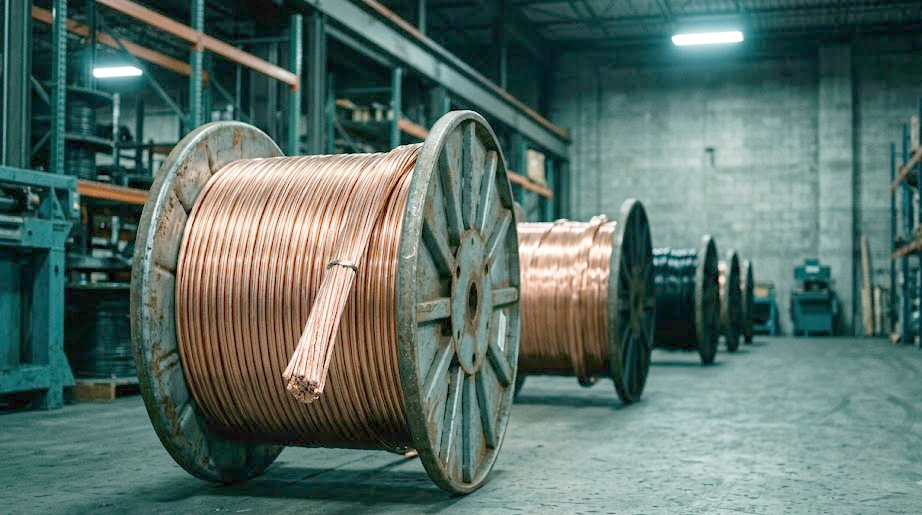
On the semiconductor materials side, PKC and Adeka Korea are pursuing a pilot project to extract recycled raw materials from manufacturing process byproducts, make precursors from them, and feed these back into semiconductor processes. Hafnium is a rare metal whose global annual production is only 70-75 tons. In steel, POSCO, together with Shinjin, Serim Sangwoon, and Jinpyeong, recovers iron and carbon from process dust, slag, and sludge that used to be landfilled and processes them into high-quality recycled raw materials. Hyundai Steel is also taking part in steel sector tasks with Heungjin Development and others.
The task list also includes promoting the production and use of recycled raw materials, sharing process byproducts, strengthening product repair and reuse systems, and improving the recyclability of packaging materials. In the food sector, Samyang Foods takes on the biogasification of process byproducts. Nothing has been decided on which items will be subject to regulatory improvement or when demonstration exemptions will apply, and the full list of the 16 entities has not been released. For the five-year period to translate into results, these parts need to be filled in quickly.
There are also results consumers will encounter. The refurbishment business aims to standardize recovery, diagnosis, repair, and verification, and to attach the same level of quality guarantee as new products after appearance, performance, and safety inspections. Products that pass verification are sold first to small business owners through a business operators' mall. On the 27th of last month, Minister Kim watched a process for extracting rare earth permanent magnets from hard disks at a recycling company in Pyeongtaek, Gyeonggi Province.
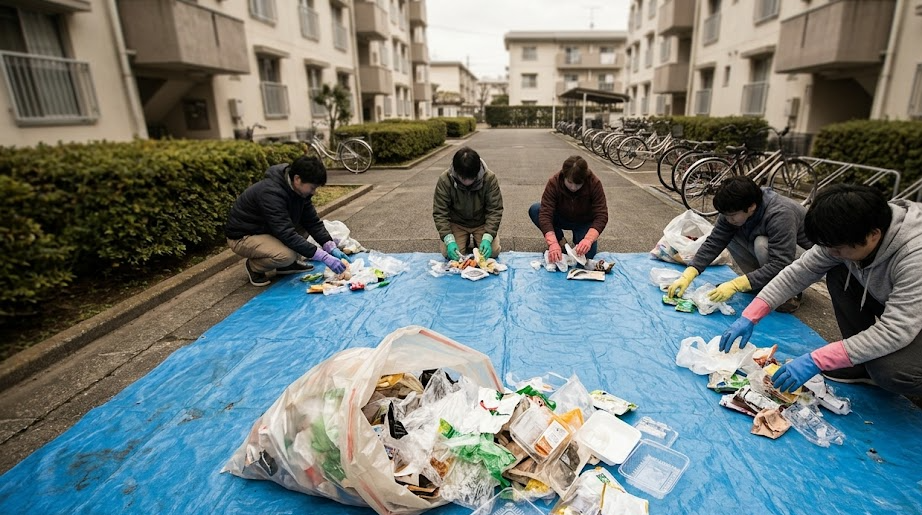
The starting point of the same loop exists inside the home as well. Depending on where an unused vacuum cleaner battery or an old air conditioner standing in a storage room goes, it may end up in a landfill or become the raw material for the next product. Channels companies have opened, like the vacuum cleaner waste battery collection campaign 'Battery Turn' that LG Electronics has run since 2022, are within reach of a single cleanup of a drawer.