Starting in 2027, green loans and transition finance extended by financial institutions will be collected and managed down to each individual account. The plan was presented at the first meeting of the 'Climate Finance Interagency TF,' which the Financial Services Commission held at the Government Complex Seoul on September 14, 2026. Statistics on climate finance balances and on the status by industry and company size will also be provided. The climate finance supply for this year reviewed at the meeting totaled 42 trillion won through July.
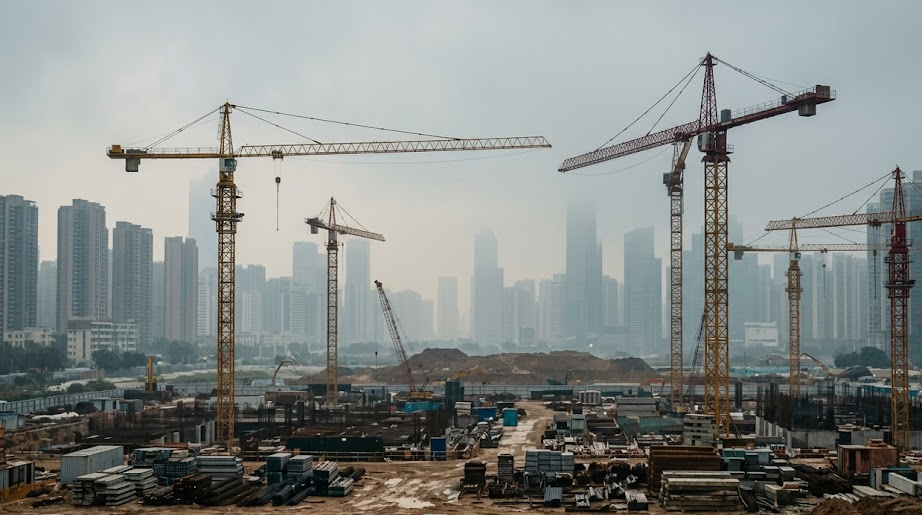
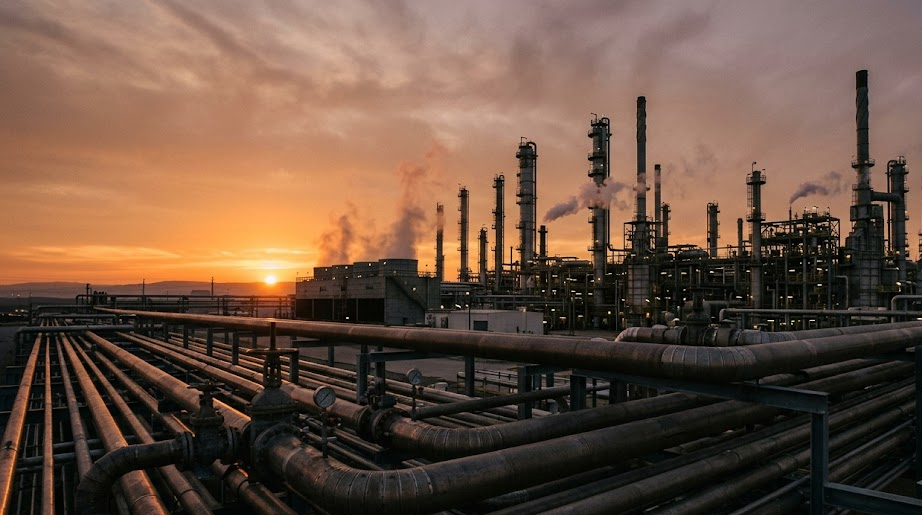
The tasks the government put forward this time focus on which industries the money goes to. Until now, green finance has been concentrated on companies and projects that meet environmental standards. Transition finance has a different target. It supports investments by industries such as steel and petrochemicals, which find it difficult to reach carbon neutrality in a short period, to reduce their emissions in stages.
The government said it will strengthen financial support for green projects while also preparing reduction standards for carbon-intensive industries, and will support the transition finance market in taking hold.
The budget is also growing. The Ministry of Climate, Energy and Environment's green finance support budget for 2027 is 737.3 billion won, 116.9 billion won (about 18.8%) more than the 620.4 billion won in 2026. It includes loans for fostering future environmental industries, the promotion of green policy finance and the green transition guarantee program. A program supporting the issuance of Korean green bonds and green asset-backed securities was also included.
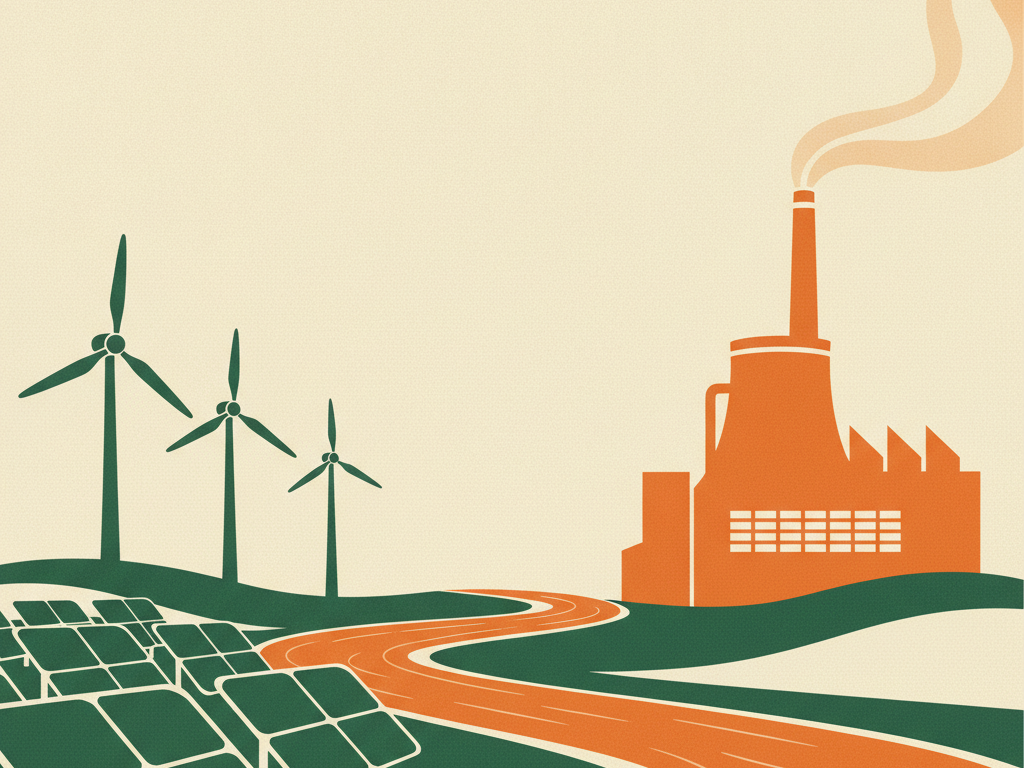
As transition finance grows, the yardstick for deciding what counts as emission reduction investment becomes more important. If the yardstick is loose, even investments in facilities that barely cut emissions could be counted toward climate finance results, and if it is too strict, steel and petrochemical companies will find it harder to secure funding.
From 2027, statistics on climate finance balances and on the status by industry and company size are scheduled to be provided. If the statistics build up as planned, there will be a basis for examining which industries and what size of companies a total such as 42 trillion won went to.
The Financial Services Commission plans to hold the TF regularly. The share still needed to meet this year's annual target is 26%. If reduction standards for carbon-intensive industries take concrete shape at those meetings, the amount of money going to steel and petrochemicals out of the remaining supply could also change.