The Seoul Housing and Communities Corporation (SH) issued 1.05 trillion won in green bonds last year. That is a 162.5% increase from the 400 billion won issued the previous year. Of that amount, 570 billion won, or 54.3% of the total, went to a single site, the Yongsan International Business District.
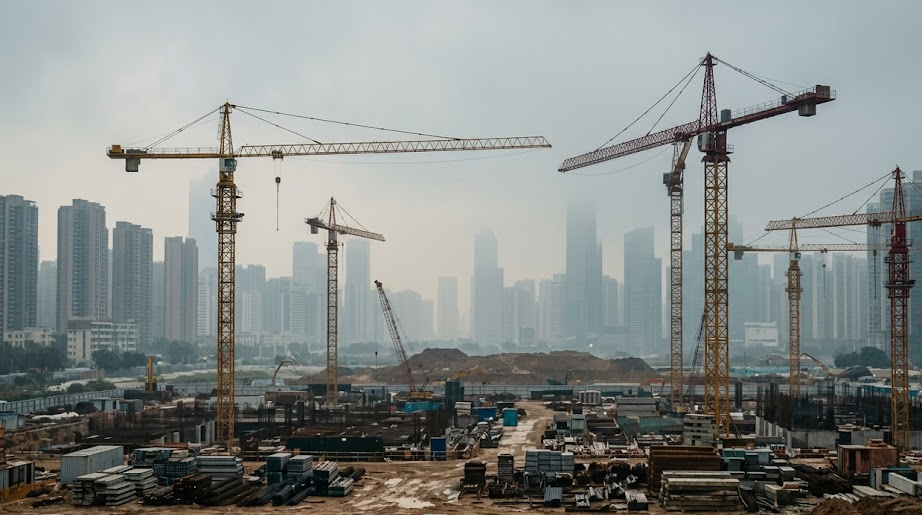
The rate of increase is steep. Issuance rose from 300 billion won in 2023 to 400 billion won in 2024, and hit 1.05 trillion won last year, 3.5 times the level of two years earlier. Behind the sharp rise is the widening scope of the corporation's business as large-scale urban development projects, including the Yongsan International Business District, moved into full swing.
SH's debt ratio rose 10.97 percentage points, from 194.82% to 205.79%. Because the years being compared are not specified, it cannot be confirmed which period this increase covers. The corporation said it treats striking a balance between securing investment funds and managing debt growth as a task, and that it operates an integrated risk management system.
The rating is top-tier. Last year's issuance received 'GB1', the highest of five grades, in Korea Ratings' ESG bond certification.

Green bonds are completed through a procedure that reports after the fact whether the money raised was actually spent on environmental improvement, and in the allocation records for last year's issuance, where the remaining roughly 480 billion won was spent, beyond the 570 billion won for the Yongsan International Business District, falls outside the disclosed scope. Urban development is often recognized as green-eligible on items such as building energy performance, public transit access, and securing green space. Verification therefore takes place after completion.
The reference year also needs fixing. The 1.05 trillion won figure is listed on the same line as the 2023 and 2024 values without stating which year it covers, so copying this time series as is throws off the year axis.
Green bonds issued by local public corporations have longer maturities and larger project units than private-sector issues. When more than half the funds are concentrated in one project site, a schedule delay or design change at that project spreads into the environmental performance assessment of the entire bond. As issuance has grown 3.5 times in two years, the items an allocation report must cover also increase.
The financial condition of local public corporations is disclosed each year in settlement filings, and the execution record of green bond funds appears in the allocation reports issued by the issuing institution. How much of the 1.05 trillion won went into which projects, and what point in time the 205.79% debt ratio refers to, can be checked in those two documents.