Green bonds accounted for 1.8% of Korea's bond market last year. That does not even reach half of the 4.0% average in major economies. The Bank of Korea's "BOK Issue Note: Review of Domestic Green Bond Issuance Conditions and Policy Implications," released on July 30, located the cause in issuance costs. The burden of certification and post-issuance reporting is rising while the interest rate benefit that comes back is not as large, so the reason for companies to attach a green label has blurred, the report found.
By outward size, the market has grown. Domestic issuance jumped from an annual average of about 1 trillion won in 2018-2020 to 6-9 trillion won a year since 2021, and the number of issuers rose from an annual average of four in 2018-2020 to 44 a year in 2021-2025. Last year's issuance came to $13.1 billion, about 19 trillion won, ranking 13th in the world.
When a large company issues a five-year, 100 billion won green bond, the BOK estimated the extra cost attached to external review, certification and post-issuance reporting at 5-10bp. One basis point is 0.01 percentage point. On the other side, the greenium and the government's interest subsidy shave off 6-9bp, so adding both sides together, total issuance costs come out virtually the same as for ordinary bonds.
What issuers themselves feel sits along that line. In the BOK survey, 42.2% answered that the cost of issuing green bonds was similar to that of ordinary bonds, and 20.0% said it cost more. On funding rates, 86.7% responded that there was no difference from ordinary bonds. Only 13.3% saw them as lower.
The rarity of repeat issuance is also a concern. Among the 137 institutions with issuance experience, nine had issued 10 or more times, and 57 stopped at one. Four in ten tried once and let go.
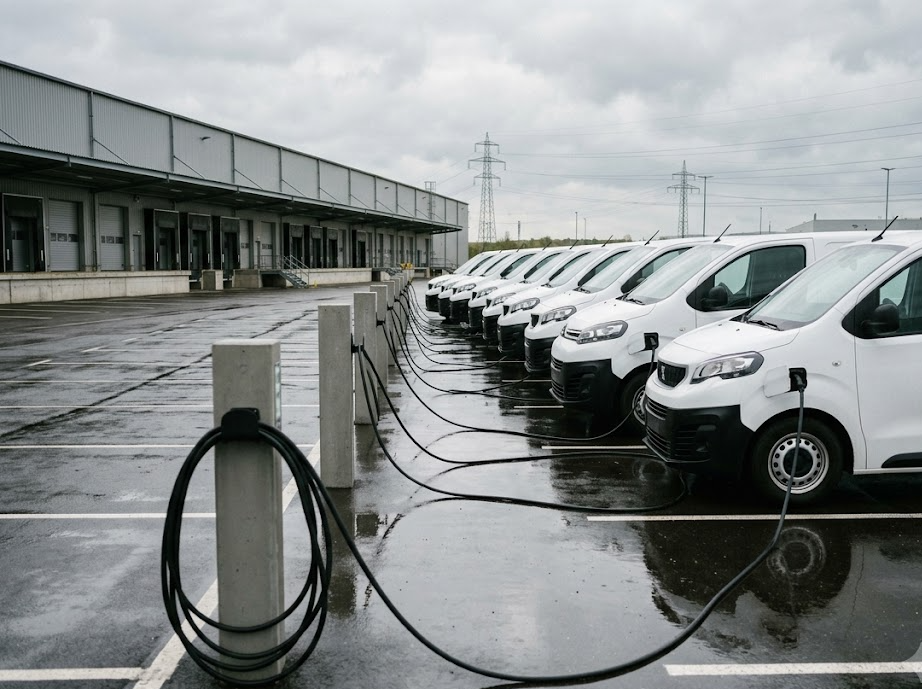
Motives for issuance lean toward reputation more than finance. Eco-friendly management and improving corporate image was the most common answer at 36.5%, followed by securing new investors at 18.3% and financial gain at 15.1%. As constraints, the management and staffing burden, the difficulty of finding eligible projects, and the complexity of issuance procedures were mainly cited. Where the proceeds actually flowed, clean transport was the largest at 33.3%, followed by renewable energy at 20.8% and energy efficiency improvement at 16.7%.
NH Nonghyup Bank issued a 100 billion won one-year senior Korean-type green bond at an annual rate of 3.69% on July 29 and disclosed it on the 31st. It is the first in about three years since 2023. The funds raised will go entirely into eco-friendly projects, including financing used by leasing and rental car operators to buy zero-emission vehicles. The bank took part in the Korea Environmental Industry and Technology Institute's interest subsidy support program for Korean-type green bond issuance and secured 200 million won in support money.
The prescriptions the BOK put forward are concentrated on cutting costs and trimming procedures. They include a proposal to maintain support programs such as interest subsidies and to give preferential treatment to first-time issuers. A proposal also came to simplify issuance forms, procedures and reporting items, and to align into one the submission forms that differ from ministry to ministry.
A review of tax breaks aimed at investors was raised as well. The report was written by Kim Jae-young, a manager on the Sustainable Growth Planning Team.
Green bonds first appeared in Europe in 2007, and global issuance last year was $613.5 billion, about 886 trillion won. Korea's first issuance was by the Korea Development Bank in 2018. Issuers have increased since then, but green's share of the bond market falls short of 2%. Whether the next issuer pulls out the certification papers again hangs on how much thinner that 5-10bp burden becomes.