The Buried Heritage Subcommittee of the National Heritage Committee deferred the agenda item "Preservation Plan for Remains within the Site of the Seoul Sewoon District 4 Urban Environment Improvement Project" on August 19. The reason is that it should be reviewed again after the change to the project implementation plan is confirmed. The Korea Heritage Service made the result public on the 20th.
The party that submitted the agenda item is the project operator, Seoul Housing and Communities Corporation (SH). It was an item brought up again after 2 years and 7 months, following the deferral in January 2024. The review at that time was handled by the Cultural Heritage Committee, before it was merged into the National Heritage Committee, and the committee demanded a "specific preservation plan." In the meantime the organization changed, and the makeup of the Buried Heritage Subcommittee's members also became different.
The backbone of the plan SH submitted is relocation preservation. It preserves the main buried heritage by moving it from where it originally stood, and creates a "cultural heritage plaza" on the first basement level of the building to exhibit excavated materials.
What are mentioned as subjects of preservation are the Joseon-era imun (里門) remains and the northern drainage channel confirmed in the Yeji-dong area of Jongno-gu. An imun was a gate erected at the entrance of an alley to keep out thieves and maintain public order. What came out of the ground is the trace of where the gate stood, that is, the marks where stone and earth were pressed down and the waterway that ran out alongside it. The Korea Heritage Service has explained that numerous road and drainage traces that can shed light on the entry and movement systems of important buildings including Jongmyo were confirmed.
At a press conference in March this year, an official of the Korea Heritage Service's Historic Sites Policy Division said he understood the emergence of imun remains to be the first case in the country.
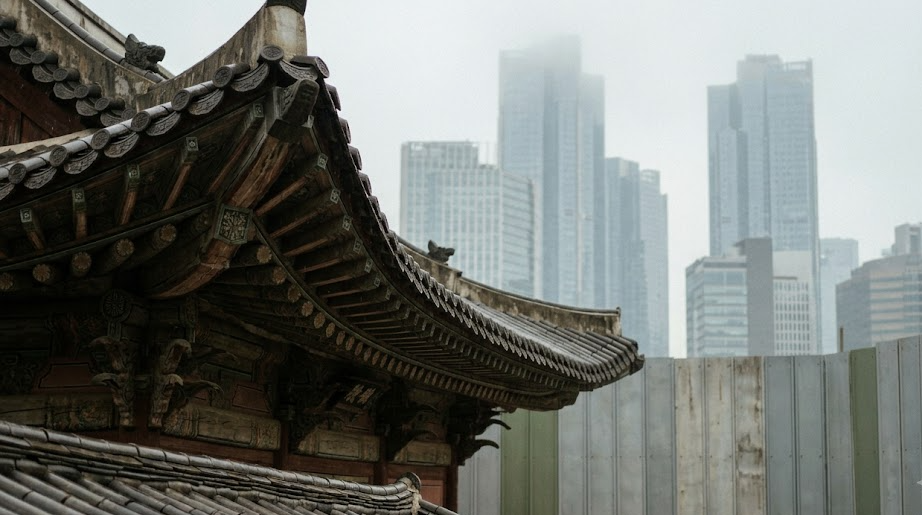
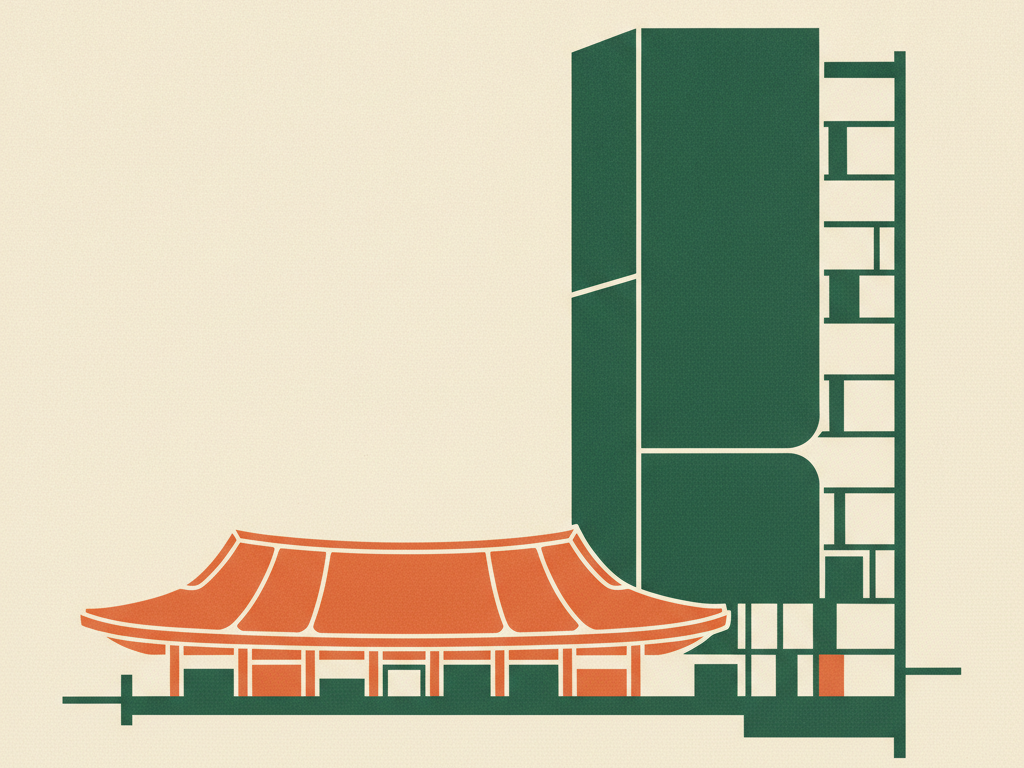
The Korea Heritage Service and the Seoul Metropolitan Government agreed in 2018 on building heights in Sewoon District 4 of 55m on the Jongno side and 71.9m on the Cheonggyecheon side. The Seoul Metropolitan Government raised this to a maximum of 145m last year. On June 18 this year, the former head of Jongno-gu approved the authorization document for the change to the project implementation plan, and it was announced in the Jongno-gu gazette a day later. The figures written in the change plan are 141.09m on the Cheonggyecheon side and 98.7m on the Jongno side.
The head of Jongno-gu newly elected in the June 3 local elections instructed that the permit procedures be halted. Whether the predecessor's authorization and public notice remain in force as they are, and how far the halt order reaches, remain unsettled.
The Korea Heritage Service also stated that it had reported SH to the police on March 16, saying the corporation had drilled at 11 locations within the project site without the permission of the administrator.
Under the Act on Protection and Inspection of Buried Cultural Heritage and other laws, construction cannot begin on this land without a review by the National Heritage Committee and a measure by the head of the Korea Heritage Service completing the excavation survey. If SH confirms the change to the project implementation plan and submits the agenda item again reflecting the review opinions, the National Heritage Committee will reconsider it.
Relocation preservation does not erase the remains. The ground where the gate stood and the direction in which the water flowed cannot be moved together with it. The remains placed in the first-basement plaza hold only part of the excavated information. The reason the Korea Heritage Service has been calling for a heritage impact assessment examining the effect on Jongmyo also does not lie in the handling of any single set of remains.
The excavation that ran from 2022 to 2024 has ended, and its results are now covered over in the ground. The next procedure opens again at the point when SH confirms the changed project implementation plan.