A regular report compiling international discussions on biodiversity has been released. The Korea National Arboretum announced on July 31 that it had published the inaugural issue of its Global Biodiversity Trends Report. It carries selected analysis of major issues, policy changes and research trends in the international biodiversity field. It was designed so that staff at arboretums and botanical gardens in Korea can follow the direction of international policy and apply it in the field.
The inaugural issue covers the new strategy and action plan of Botanic Gardens Conservation International (BGCI). It also carries the World Botanic Gardens Education Day campaign and the activities of the International Plant Sentinel Network (IPSN) along with ways to take part. It brings together international programs that Korean institutions can refer to or sign up for right away.
The Korea National Arboretum is an agency under the Korea Forest Service. The publication cycle is set at twice a year, in the first and second halves. Distribution is free. Files are posted on the Korea National Arboretum website.
Jang Kye-sun, head of the Division of Forest Biodiversity Conservation at the Korea National Arboretum, said she hopes the report will help the research and conservation work of those engaged in biodiversity in Korea.
There was another piece of news the day before the report was released. The National Institute of Ecology announced on July 30 that it had succeeded in artificially breeding the anchor-patterned tiger beetle, a Class I endangered wild insect, through its full life cycle. The starting point was three adult females secured from a habitat in June 2025.
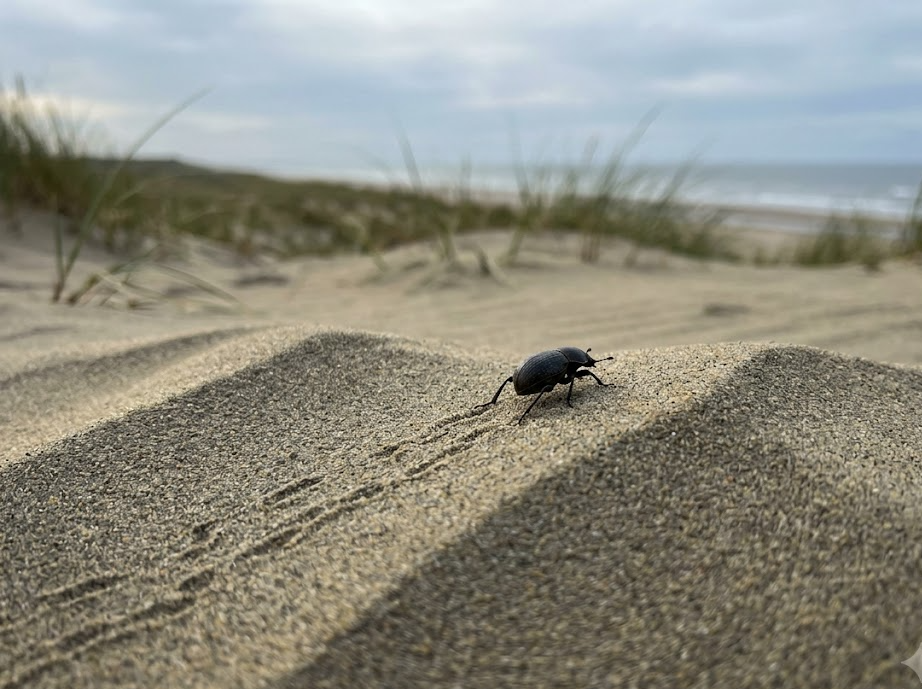
From them 150 larvae were obtained, and individuals that overwintered indoors grew into 28 adults that produced F2 larvae this May. F2 refers to the group of offspring born to F1 individuals that were born in a rearing environment and reached sexual maturity.
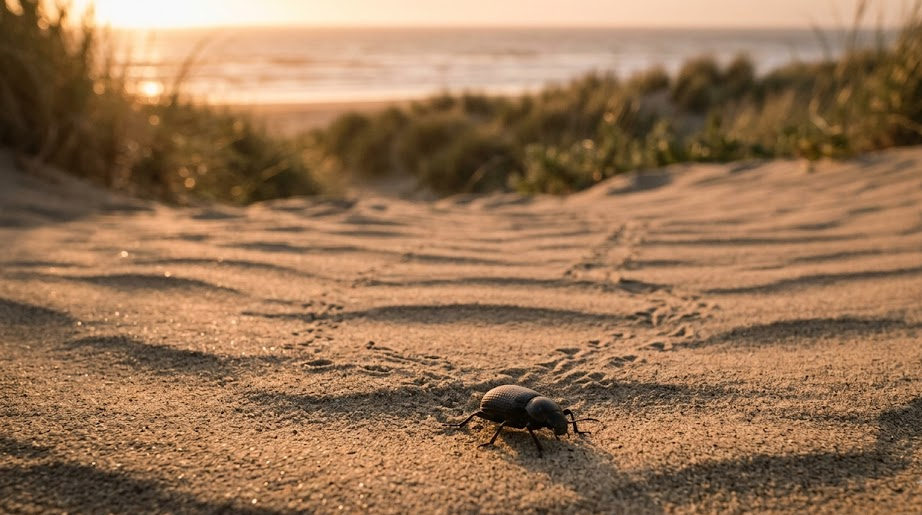
The anchor-patterned tiger beetle is a carnivorous beetle 12-15mm in body length. It has a green anchor-shaped marking on its back, and its conical body gleams in copper and green. It lives on the sandy beaches of the west coast where dunes have developed and is regarded as an indicator species for the health of coastal ecosystems. Its populations collapsed as coastal development shrank its habitat and climate change raised sea levels.
In the past it was seen on rare occasions in west coast dunes such as Yeongjongdo and Uido. These days observation records have stopped except on some islands in Taean-gun and Sinan-gun. In Taean-gun, both the 2024 and 2025 surveys confirmed zero individuals. The National Institute of Ecology has studied breeding and restoration methods since 2023 and has released 442 artificially bred larvae on beaches in Taean-gun and Sinan-gun since 2024.
The two announcements differ in who made them and in what they cover. One channel for bringing international discussions into Korea and one technique for reviving a single species in the field came out in the same week. Choi Seung-un, head of the Endangered Species Restoration Center at the National Institute of Ecology, said the institute will share its artificial breeding technology with related institutions and the private sector and expand cooperation with the ecological industry.
The next issue comes out in the second half of the year. Until then the inaugural issue remains open. Whether an arboretum interpreter or a staff member at a local botanical garden, there is no cost and no procedure involved in downloading the file. Open to the page listing how to join the International Plant Sentinel Network and the next step is there.