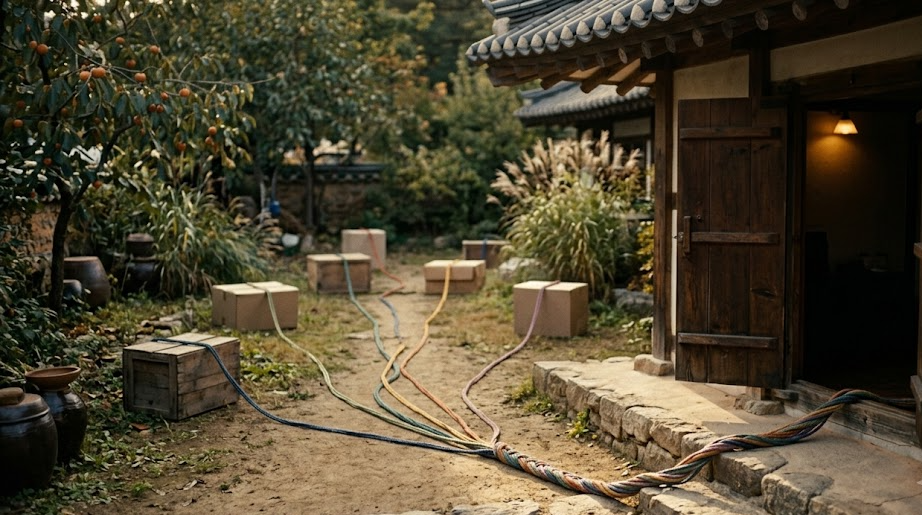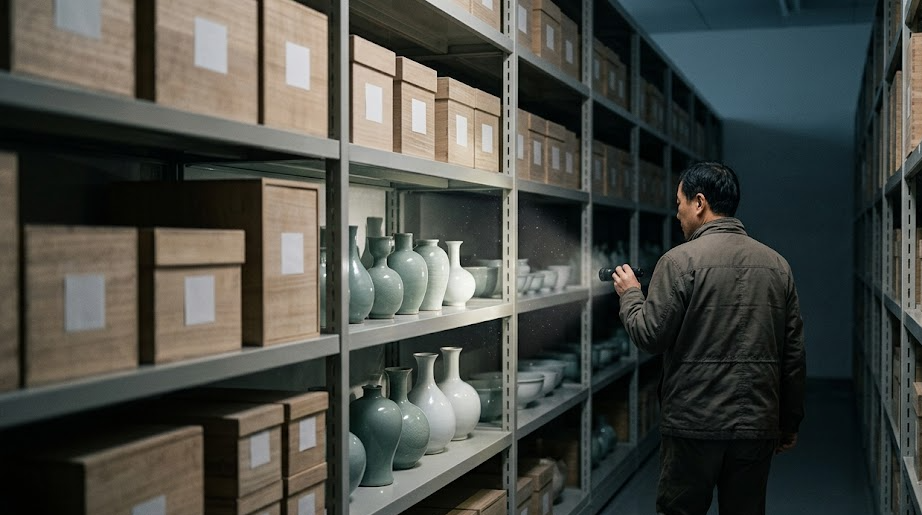
Recording the condition of a single artifact takes eyes, hands and time. Traces of mold, a grain of pigment lifting away, a blue stain spreading across metal all have to be noted one by one. If only one person is there to repeat that work ninety-three times, it is hard to say the heritage is being preserved.
With the UNESCO World Heritage Committee meeting held in Korea for the first time, voices announcing inscriptions are growing louder on all sides. In the same period, the field revealed a workload in which one curator takes on 93 items. Both scenes are taking place in Korea this year.
Inscription is a starting point rather than a finish line, and an inscription that fails to assign people to care turns heritage from something living into a monument. The plaque goes up in a day, but humidity, pests and cracks do not rest for a day.
Festivals are designed for a moment. The 31st Busan International Film Festival is set for ten days from October 6 to 15, and the full lineup of invited films is scheduled to be released on September 1. The beginning and the end are fixed. Heritage has never been designed that way.
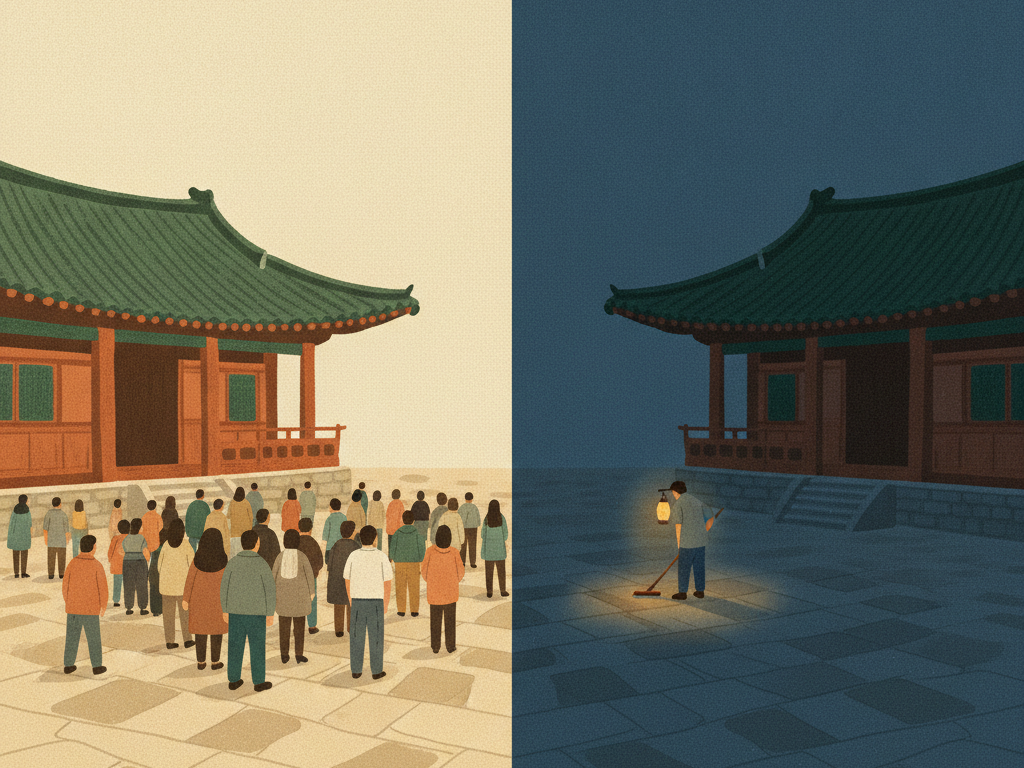
The counterargument carries weight. It is close to fact that nothing draws budget and attention together the way inscription does. Inscription does bring maintenance projects, moves local governments and turns people's steps toward a site. But that attention collects at opening ceremonies and completion ceremonies, and it rarely flows to temperature and humidity records or inventory checks.
Night openings, hands-on programs and film shoots open closed heritage again. But the more people come and go, the more dust, moisture and vibration build up, and more hands are needed to record it every day. Raising the total amount of use requires raising the total amount of care by the same measure, and right now only one side is swelling.
What international bodies confirm again and again in inscription reviews also comes down to conservation management plans and the people who will carry them out. Staffing after inscription is a demand of the international stage and at the same time a demand beside the artifact. The two demands are not saying different things.
The conservation management plan required by inscription reviews presupposes staff to carry out temperature and humidity records and artifact condition checks. What matters is how many lines for staffing are attached to the inscription-related budget proposals to come.