Silla's gold has crossed over to Europe. The special exhibition "Silla, Gold and the Sacred: Treasures of the Ancient Kingdom of Silla (57 BCE-935 CE)," organized jointly by the Gyeongju National Museum and France's Musée national des arts asiatiques-Guimet, is receiving visitors in the special exhibition hall of the Guimet Museum in Paris. According to the organizers, it is the first exhibition in Europe devoted to Silla alone, and the largest Silla exhibition ever held abroad. Ahead of the public opening, a VIP opening ceremony and a press preview were held on the 18th and 19th local time.
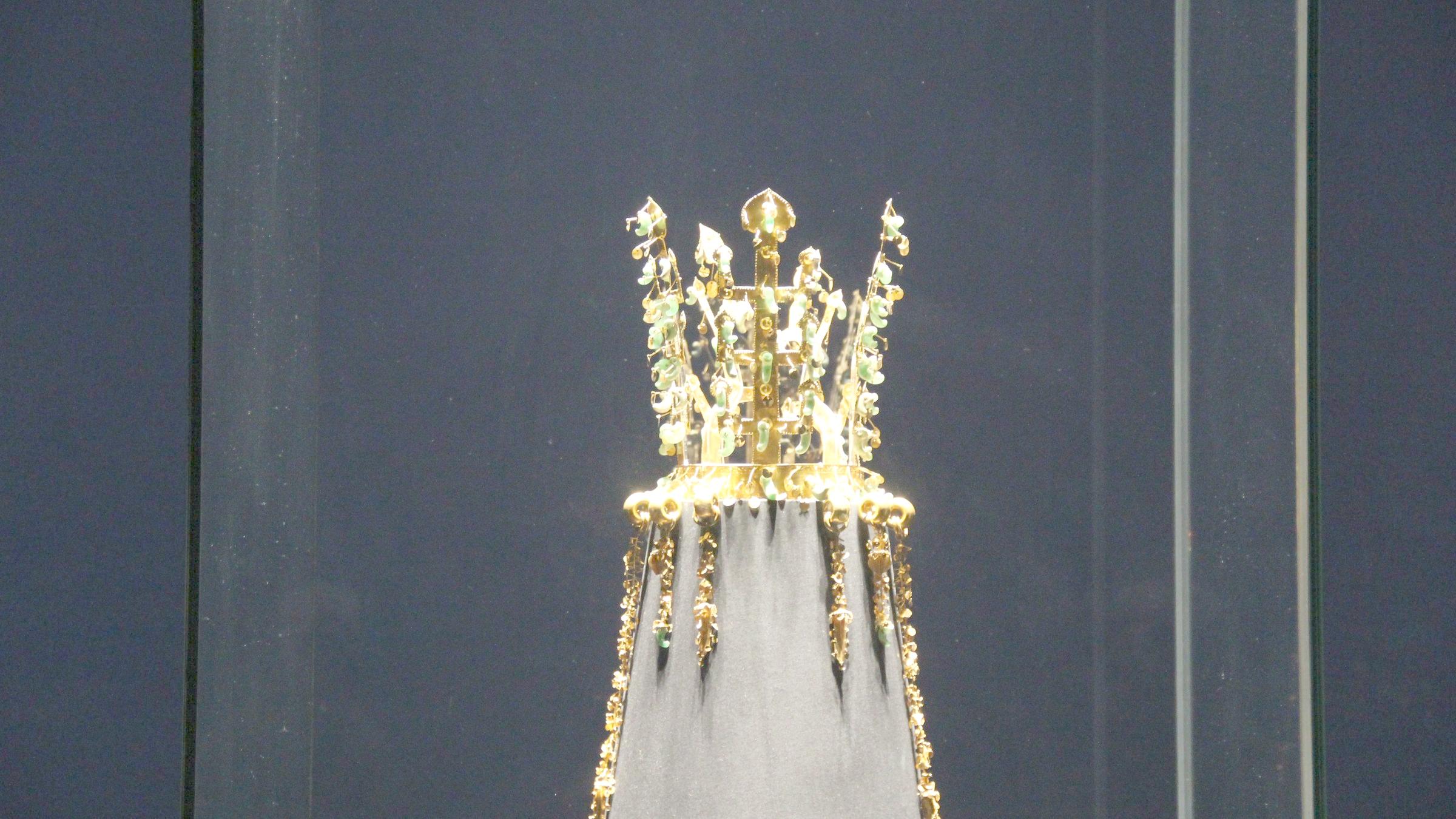
The exhibits number 333 objects in 148 items. Among them are 9 national treasures and 10 treasures. The highlights that draw visitors along include the national treasure gold crown and gold belt from Geumgwanchong, the golden dagger, along with Roman glass and Buddhist statues and sculptures.
The gold crown is an object made by cutting and raising sheets of gold hammered thin. Comma-shaped jades and spangles hang from the upright ornaments resembling tree branches and deer antlers, and they would have struck one another and made a sound like small ripples whenever the wearer moved even slightly. Gold that lay pressed in the soil of Gyeongju for nearly fifteen hundred years now trembles under the lights of a foreign land. In Paris, this is the first time.
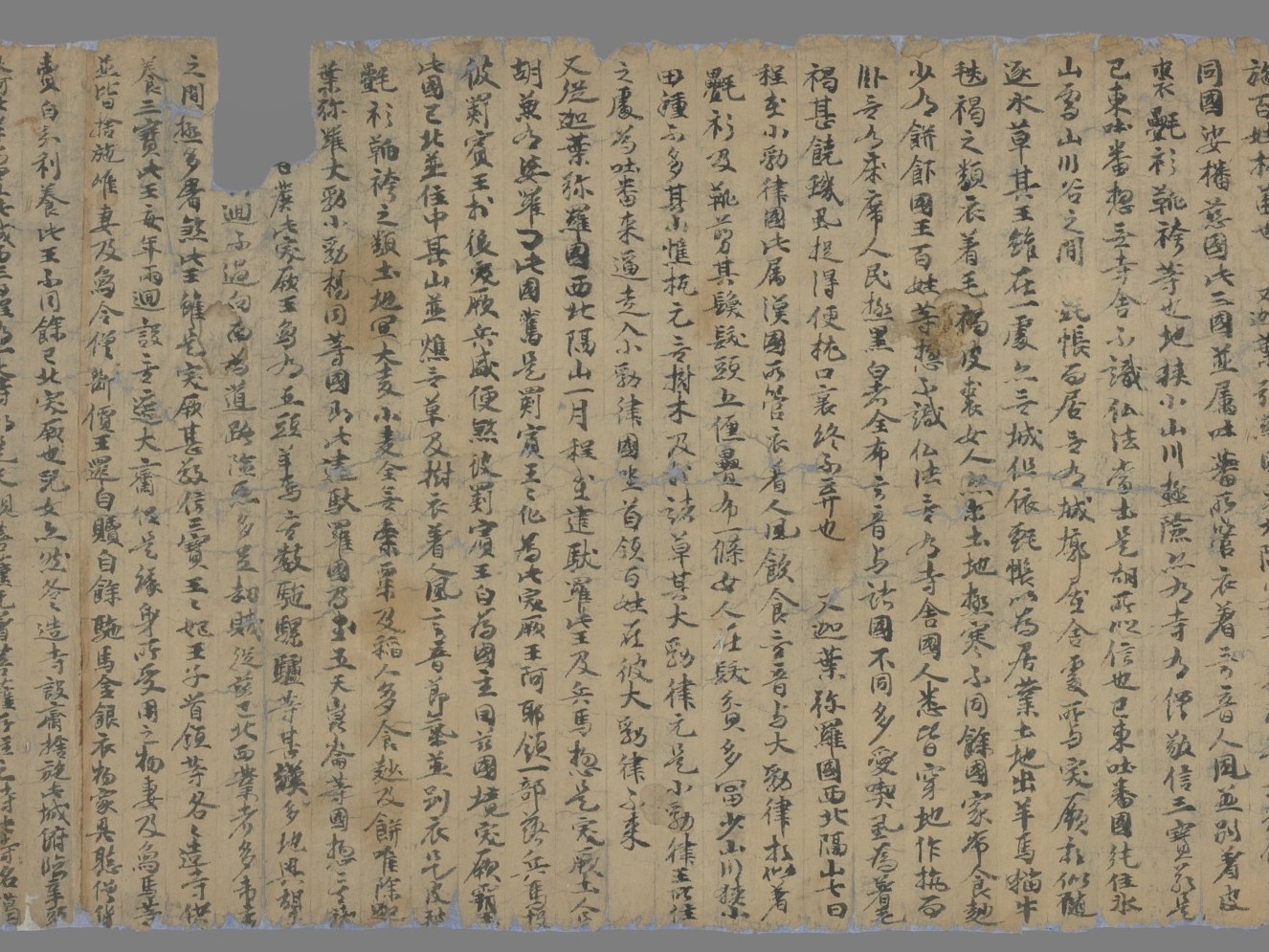
The object that traveled the longest road to this exhibition is paper. The Wangocheonchukgukjeon, left behind by the Silla monk Hyecho, has been unveiled alongside it. The scroll is held by the Bibliothèque nationale de France. This record, which set down the politics, culture, economy and customs of 8th-century India and Central Asia, is introduced as the first travel account of foreign lands written by a Korean.
Korean audiences saw this scroll in person at the National Museum of Korea between 2010 and 2011. Apart from that one occasion, Hyecho's writing has remained in Paris throughout. The record of a Silla man who walked the Western Regions in the eighth century now lies in Paris beside a Silla gold crown- this arrangement is itself a sentence.
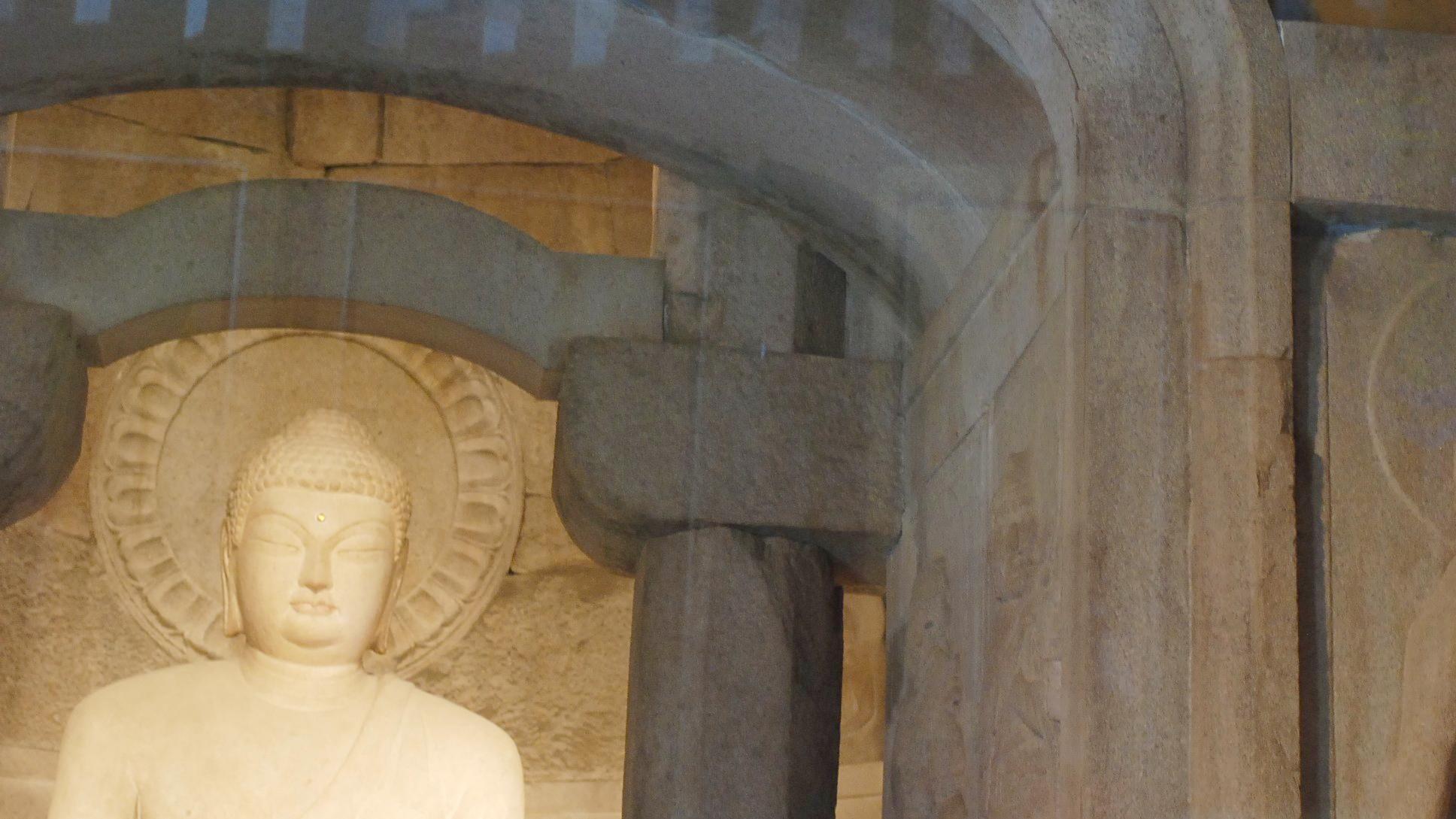
The exhibition's structure follows some thousand years from Silla's founding through the unification of the Three Kingdoms to its fall. The final section holds a space recreating Seokguram. In that what visitors meet at the end, after passing gold and glass and stone in turn, is the face of the Buddha, this route is closer to the journey of a faith than to the chronicle of a kingdom.
The same tension follows every time artifacts cross borders. Paper and gold leaf are vulnerable to light and humidity, and moving them in itself raises the risk of damage. Even so, the reason for moving them is clear.
Inside a display case in Gyeongju, Silla is one dynasty in Korean history, while inside a display case in Paris, Silla is read through Roman glass and the golden dagger as the eastern end of the Eurasian trade network. When the place where an object is set down changes, the interpretation changes with it.
The director of the Guimet Museum said of this exhibition that it is an opportunity to discover the history of the ancient kingdom of Silla. The word discovery presumes ignorance on the part of those looking, and at the same time carries the expectations of those doing the showing. The exhibition was arranged to mark the 140th anniversary of diplomatic relations between Korea and France.
The exhibition runs through the end of August. In Paris in summer, a chance to see these two display cases, one gold crown and one scroll, in a single place is rare. The time in which paper from the national library sits in the same room as gold from Gyeongju closes when this season ends. If you happen to pass that building in the 16th arrondissement of Paris, it is worth climbing the stairs and turning your steps toward the special exhibition hall.