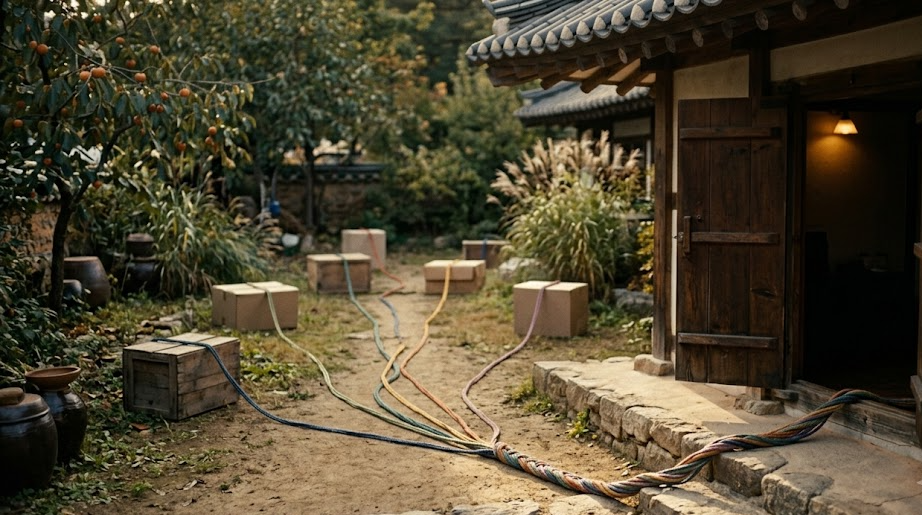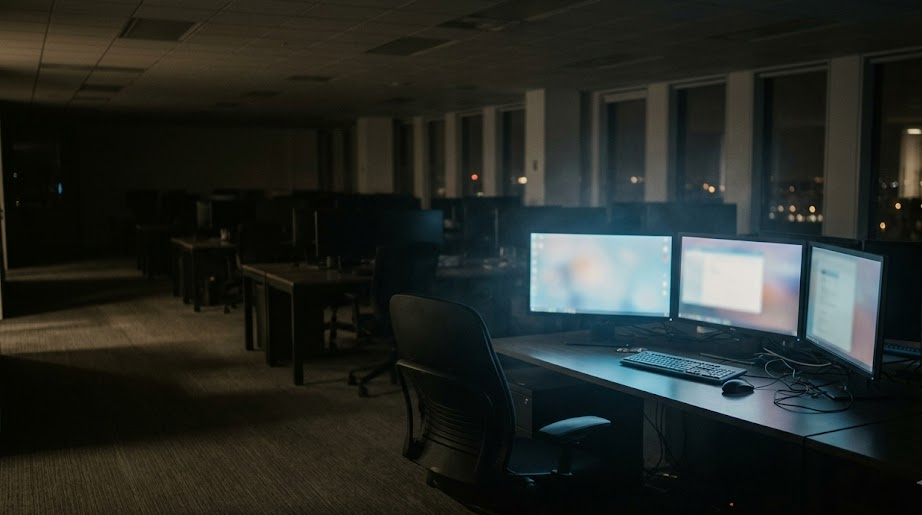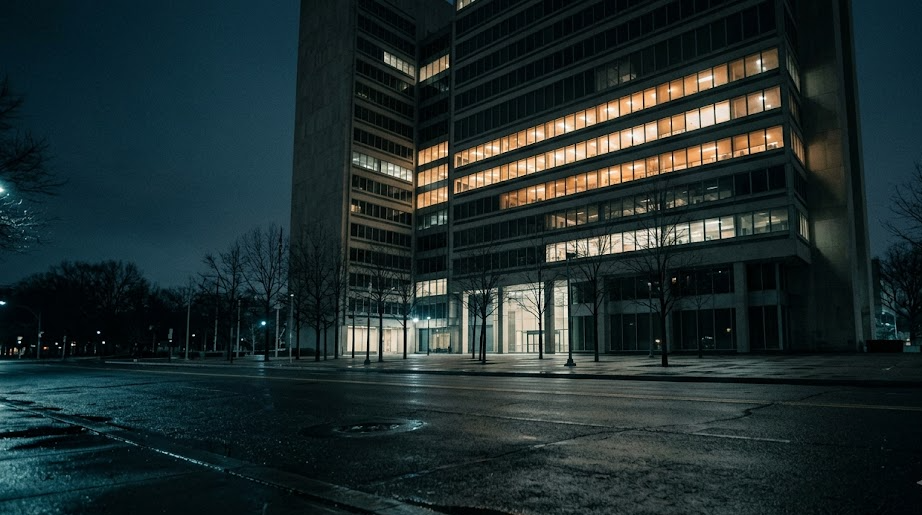
On a weekend evening, walk past the city hall lobby with its lights-out campaign notice and step outside, and the windows upstairs are still bright. Many of the citizens passing by are the same people who, a few months ago, voted on a questionnaire or in a discussion hall for "let's cut faster." It is rare to see the side that reached the conclusion and the side charged with carrying it out diverge like this.
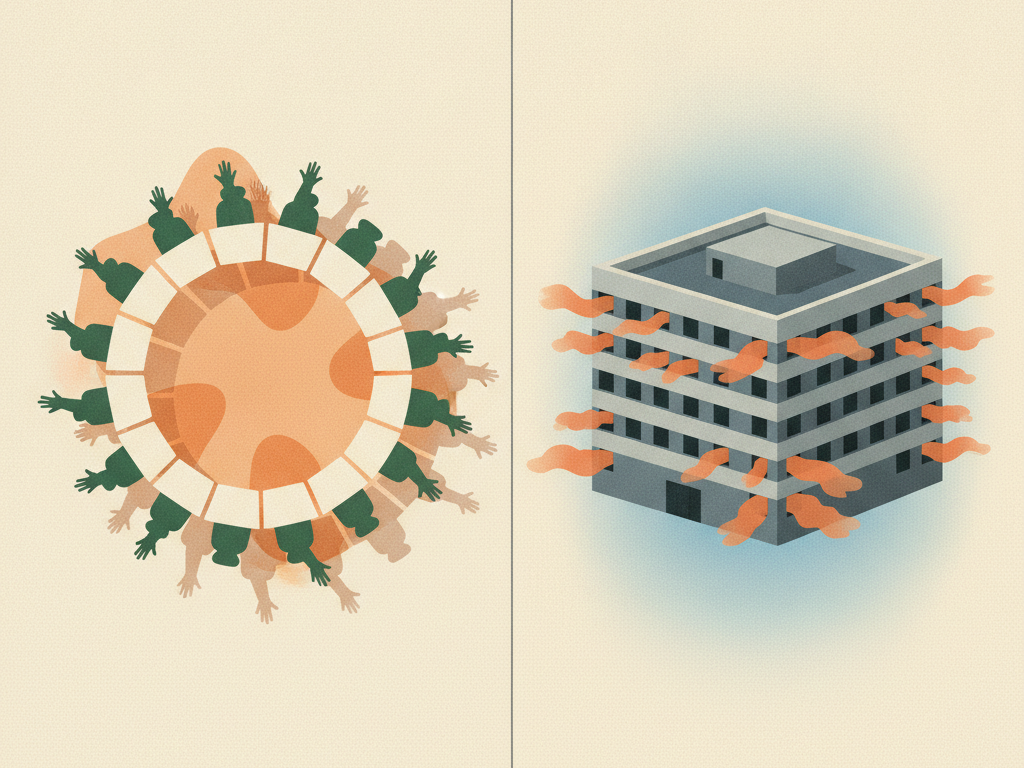
The result of the public deliberation was clear. Of the citizens who took part, 77.9% sided with making early reductions stronger. Over the same period, carbon emissions from Seoul's public buildings rose 50%.
Placing these two results side by side reveals where the bottleneck in climate policy lies. Public consent was not lacking. The administration that received that consent has not been able to change its own buildings first. Responsibility for the delay in reductions lies with implementation, not public opinion.
The counterargument is strong enough. The rise in public building emissions mixes in heating and cooling increased by heat waves and cold snaps, city hall operations that returned after COVID-19, and the expansion of public services citizens have demanded, such as care, medical care and data centers. To blame laziness on the sole fact that emissions rose is unfair.
That point is correct. But there is no administration that did not know heating and cooling demand would rise. Measures such as insulation, windows and replacing heat sources were all matters of priority in budget planning, and being pushed down the list of priorities was not a mistake.
It was a decision. What is needed here is grounds for changing the priorities, and the result of the public deliberation serves as those grounds.
There is a reason public buildings matter in particular. They are assets the owner can decide on without being forced by regulation, the effects of performance upgrades last for decades, and above all they become a visible sample for citizens. It is hard to demand of shops and factories what city hall cannot do.
At the same time, there is one more thing to guard against. Tree-planting events and handing out tumblers will not bend the emissions curve. Conversely, the resignation of saying "it's too late" about rising emissions is another way of putting off implementation. Emissions from buildings are a tedious but calculable area that shrinks through design and budget.
The surest change comes in the next budget bill. How much each local government allocates to energy performance upgrades for public buildings, and whether that line item rose from last year, is information anyone can check. If just ten citizens point to that single line and ask about it at a residents' briefing or a council budget review, an item near the bottom of the ranking moves up.
The eight in ten who raised their hands in the public forum did their part. What remains is to watch whether that hand gets transcribed into a line in the budget document. This winter, start by seeing whether the lights at city hall go out a little earlier.