In Gijisi, Dangjin, South Chungcheong Province, the Gijisi Juldarigi Festival opens on Thursday, April 9, and continues through Sunday the 12th, for four days. A rite the village has repeated for nearly 500 years opens this year under the banner of a world traditional festival.
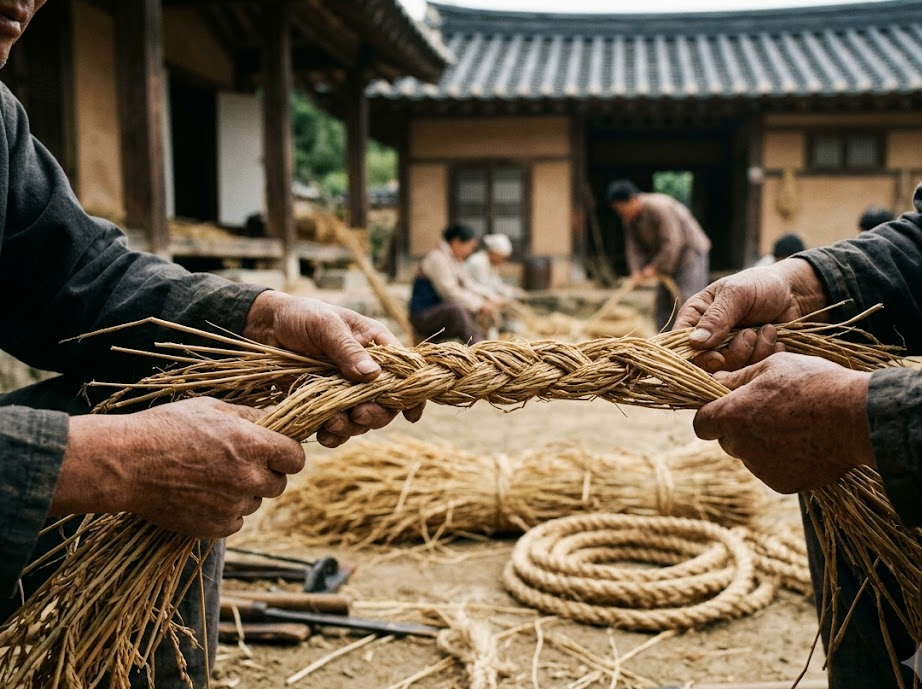
Straw sits at the center of the festival. The rope, made by wetting dry rice straw and twisting it up, shifts between yellow and ash gray, and running a palm along it catches a rough grain on the skin. The moment hundreds of hands pull at once, the rope stretches with a creaking sound, and the smell of wet earth and dry grass spreads among the people. That smell alone does not carry over into video.
The four-day schedule divides largely into the time spent making the rope and the time spent pulling it. Gathering the straw, twisting the strands, and weaving those strands again into a thick body is a sight in itself. The festival reaches its peak the moment the finished great rope comes out onto the road. For the detailed timetable, it is better to check the on-site information before moving.
The tug-of-war is a rite inscribed on the UNESCO Representative List of the Intangible Cultural Heritage of Humanity. It was a prayer opening the farming year, and a procedure by which villagers confirmed one another's strength. The purpose lay in the act of holding the rope together more than in the outcome of winning or losing.
The tension that arises when a rite grows into a festival is not something to gloss over. As audiences grow, the sequence gets trimmed to look good, and the procedures the village has kept are adjusted to the timetable of the stage. The name world traditional festival draws more people, and it brings along the risk of moving away from the original form by as much as it draws. That balance is set again each year by the hands that twist the rope.
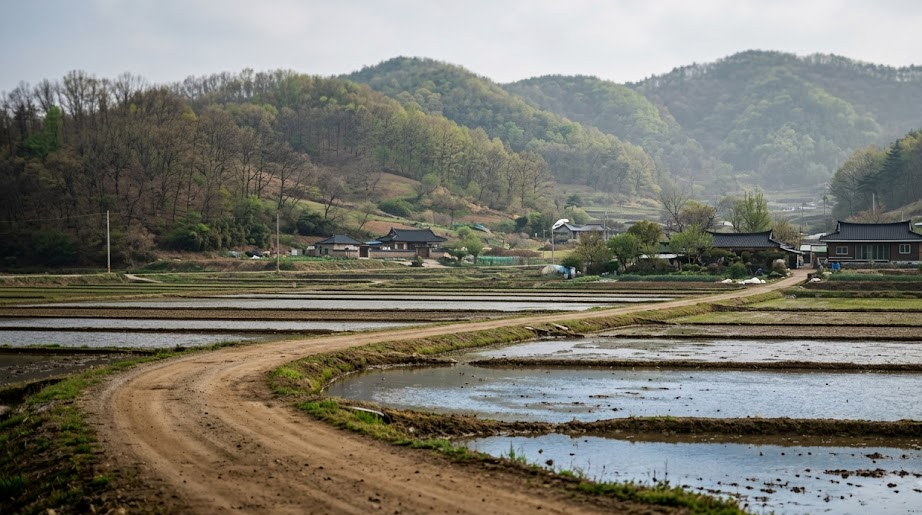
What visitors need to prepare is simple. The wind off the West Sea in early April is cold even at midday, and the road the rope passes along is bare earth, so shoes get wet or covered in dirt easily. Admission fees, reservation methods, parking and transportation can be checked by following the on-site information.
When the festival ends, the rope is sometimes untied and sometimes left as it is. The memory of someone who has felt its thickness with a hand is not the same as that of someone who has only seen it on a screen. For four days starting tomorrow, on the dirt roads of Gijisi, a 500-year-old rope moves again.
Event Information
Date: April 9 (Thu) - 12 (Sun), 2026
Venue: Gijisi area, Dangjin, South Chungcheong Province