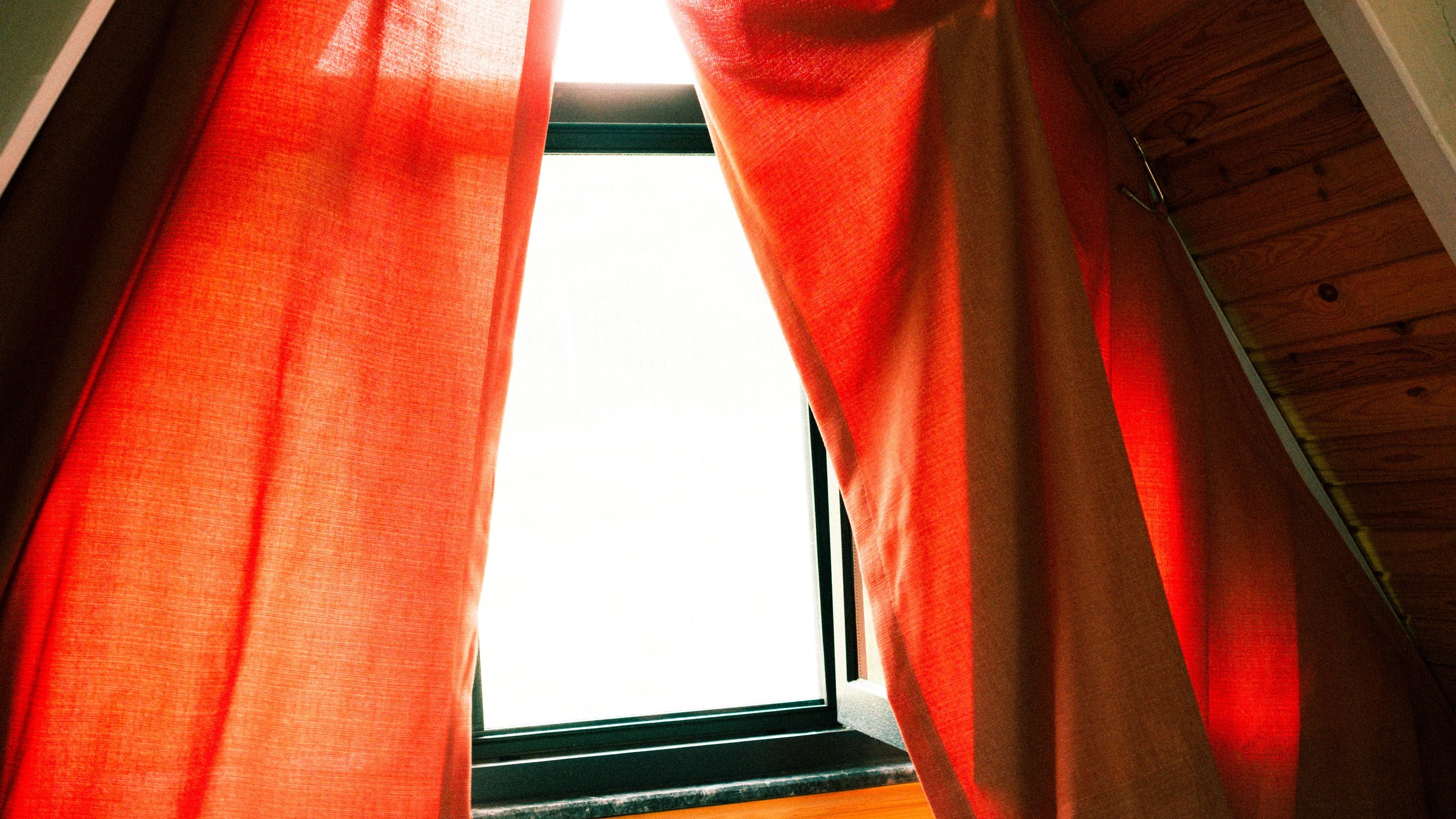
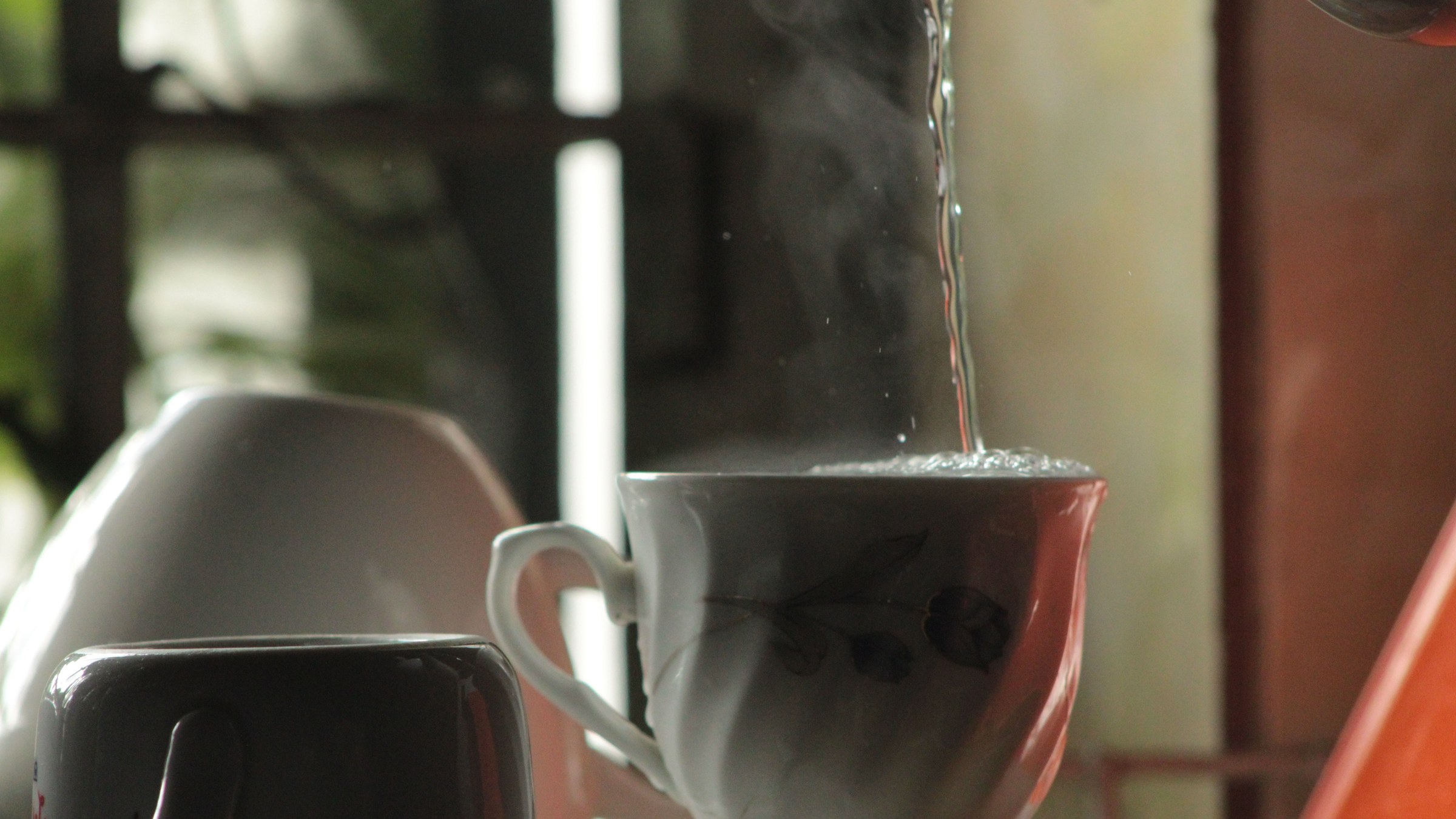
Overcast winter light comes in through the window frame, and with its back to that light, a stream of water falls from the kettle. As the water touches the rim of the white cup with its faint floral pattern, small bubbles swell, and steam winds up around the stream and passes through the bright band of the window. Beside it, an empty cup and a lidded bowl sit in the dimness.
Watching a scene like this, the hand pauses for a moment. The eyes pull their focus in a hand's width to see how far the water has filled the cup, and the rising warmth heats the face a little. This is usually also when you notice your dropped shoulders.
A hurried mind does not bear these few seconds well. It tries to cross over to the next task before the water has even finished filling, and then the time while the steam rises passes as though it never existed.
If you have steeped tea, it would be good to look at the steam about three times before bringing it to your lips. Once as it rises straight above the cup, once as it passes through the light, once as it scatters and disappears. How about counting it that way.
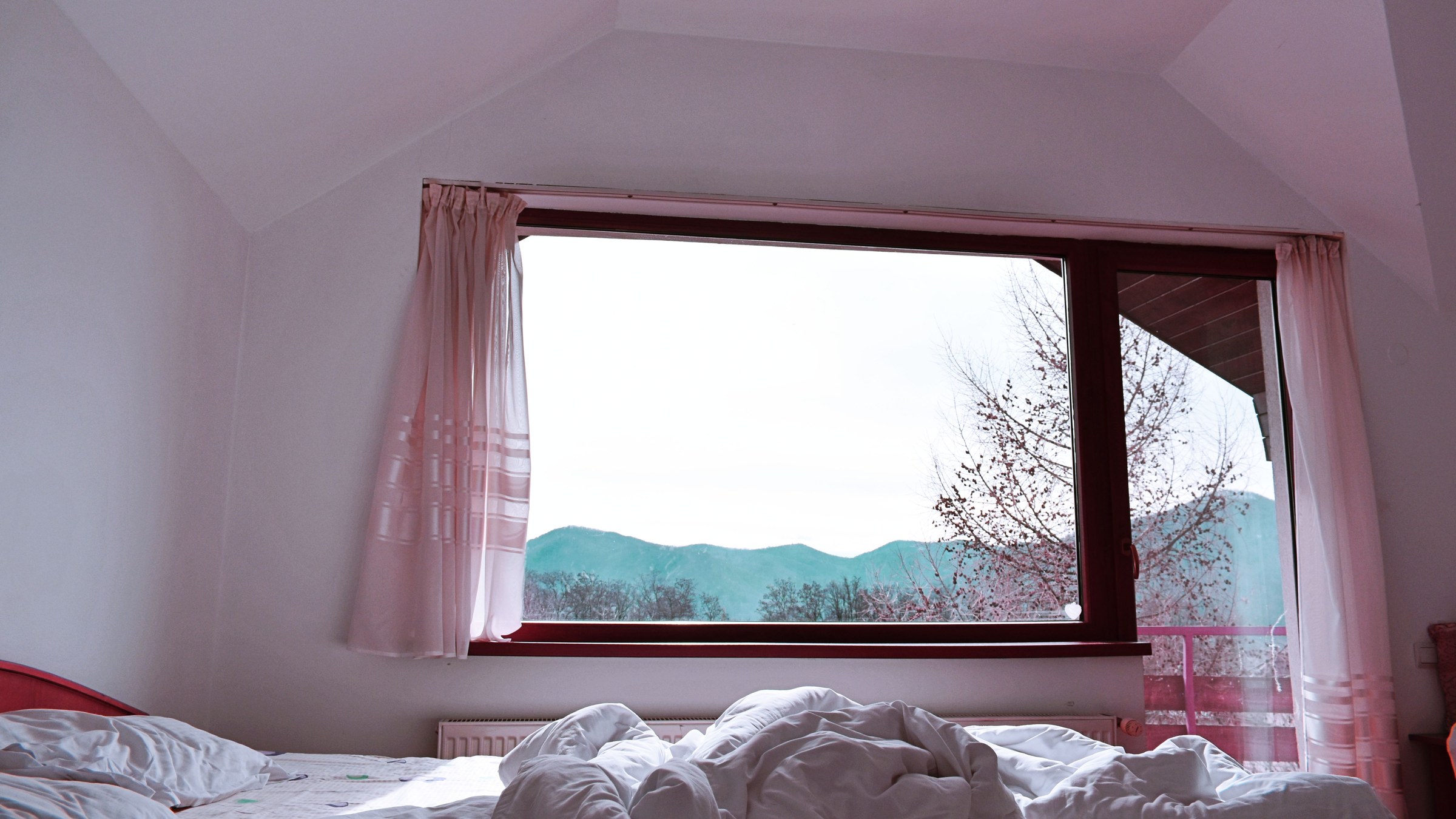
The same counting is worth moving to after you turn off the light and get under the covers. In the dark there is no cup and no steam, so instead you quietly follow how far the breath you draw in lengthens and about where the breath you let out ends. You do not have to try to measure which one is longer. Even just noticing that the lengths differ from night to night keeps those few seconds from slipping away.
Even after the steam is gone, warmth remains in the cup.