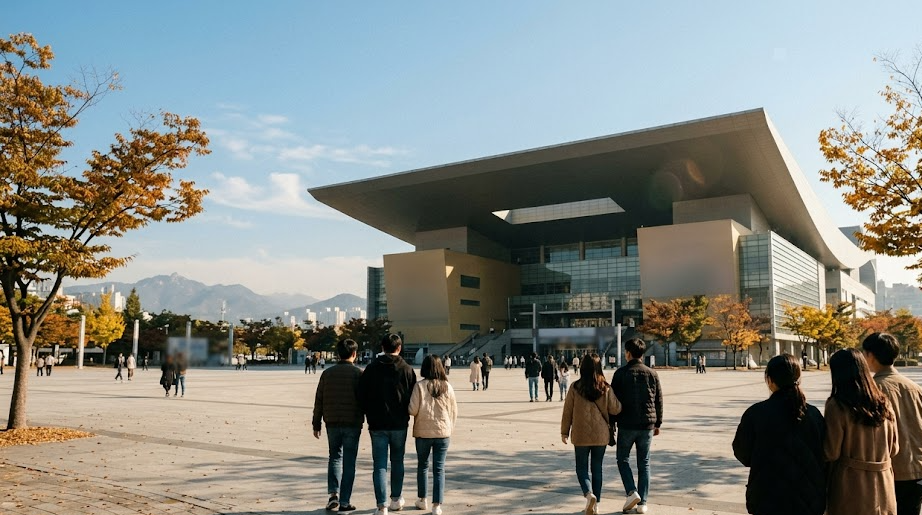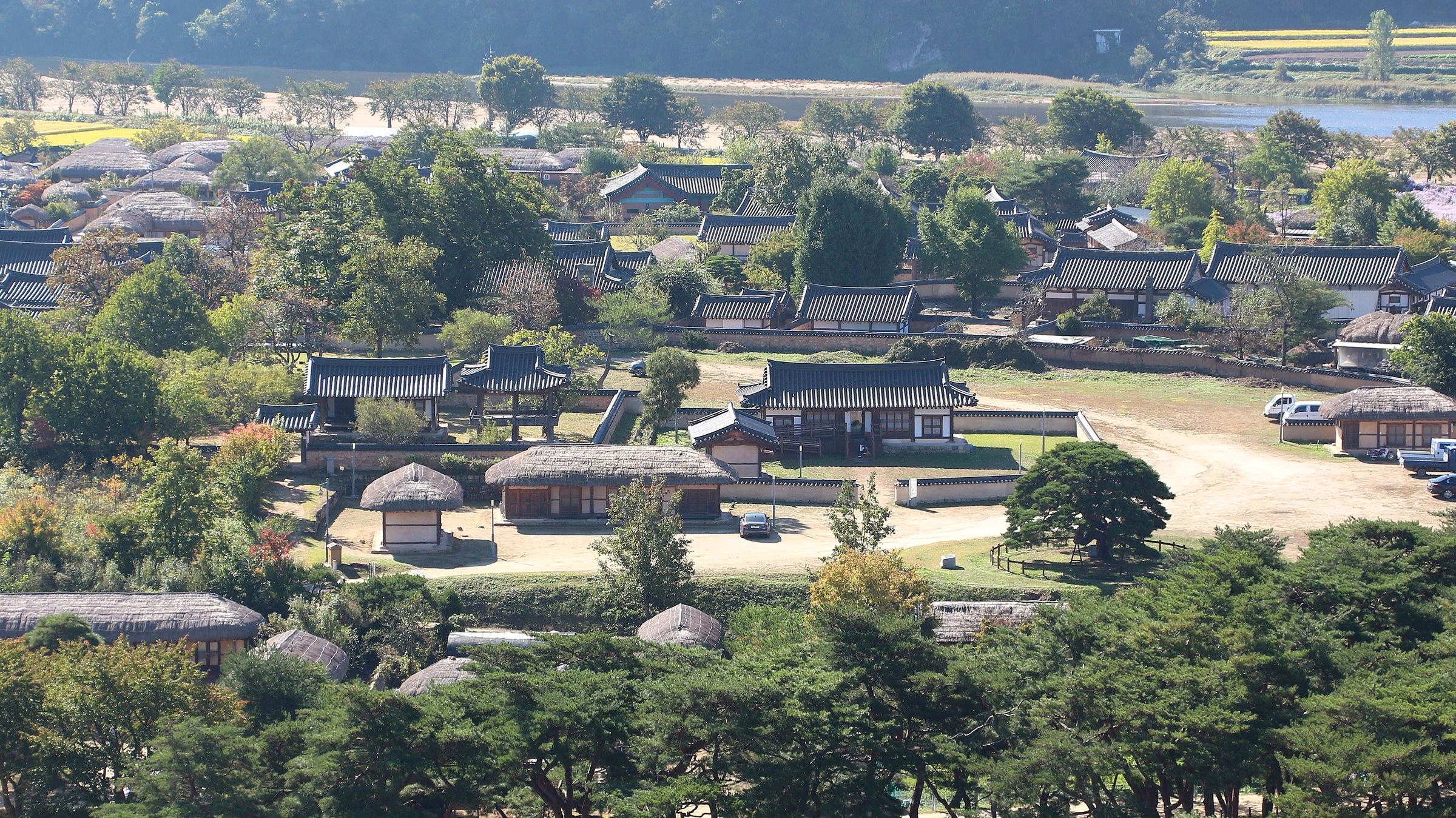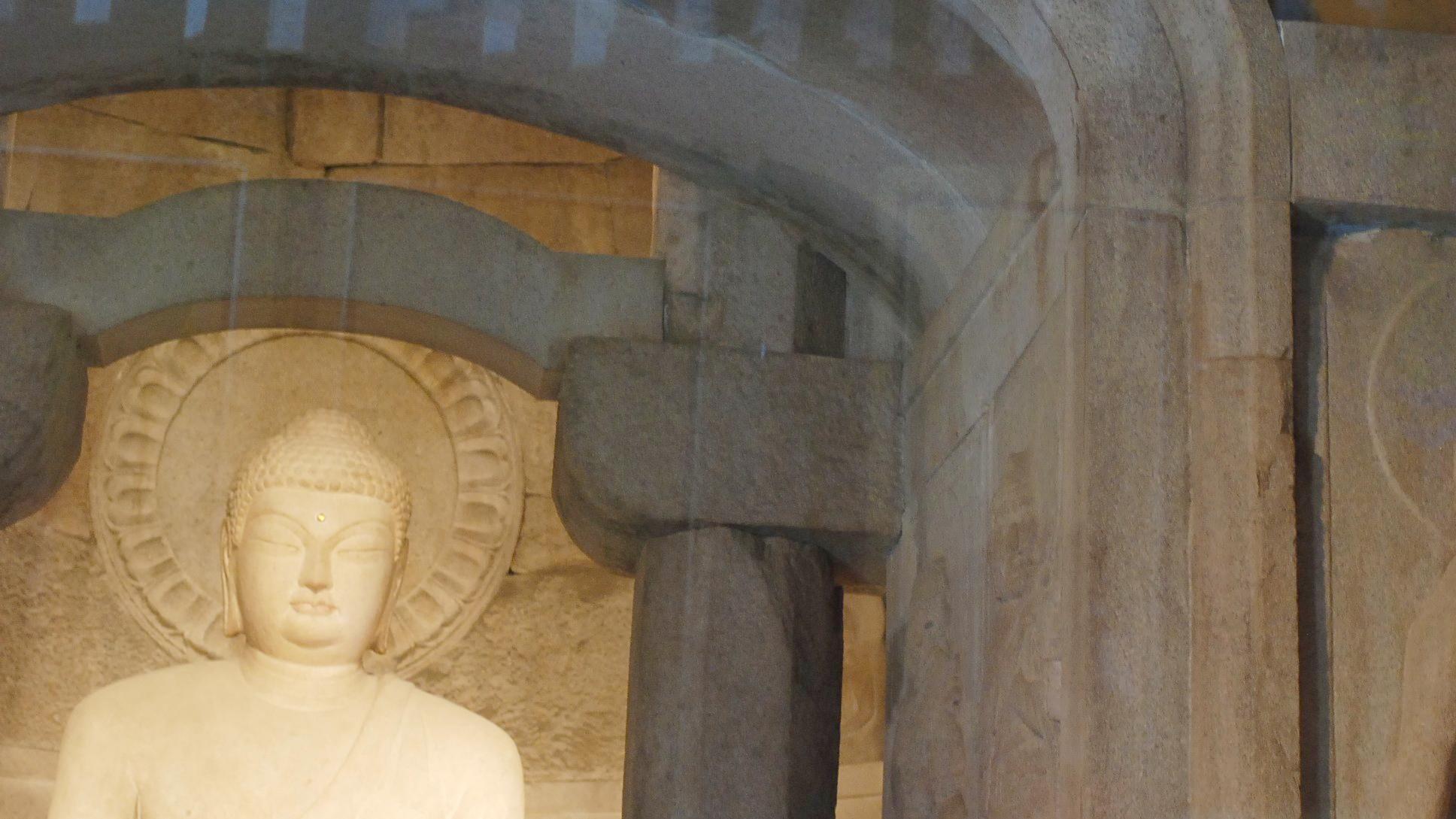
On the afternoon of the 9th, the "opening ceremony of the Baegaksan Hanyang Doseong trail information center" was held at the Changuimun information center on Bugaksan in Jongno-gu, Seoul. The center, which had operated until December 2023 before shutting down, has opened its doors again, and Heo Min, administrator of the Korea Heritage Service, attended. From July 19 to 29, the 48th session of the UNESCO World Heritage Committee will be held at BEXCO in Busan. The cause raised in an international conference hall and the practice on a downtown hill road were tied together on the same day.
Korea is hosting the World Heritage Committee for the first time in the 38 years since it joined the World Heritage Convention in 1988. At the 20th extraordinary session held at UNESCO headquarters in Paris, France, on November 25 last year (local time), Lee Byung-hyun, former ambassador of the Permanent Delegation of Korea to UNESCO, was elected chair of the 48th session, and Administrator Heo Min stood by his side. Korea takes on the role of chair country for this session. A country that filed inscription requests and waited for reviews now sits on the side that runs the meeting.
The committee is an intergovernmental meeting that discusses World Heritage inscription, conservation and management, and it is understood to be held each summer with representatives of the 21 member states elected at the General Assembly at its center. During the session, 100 royal guards who watch over Gyeongbokgung Palace will travel down to Busan and stand in front of the conference building. Red cheollik robes, black jeonrip hats and the sound of leather shoes at every step will move beneath the glass walls of BEXCO. A "K-Heritage House" introducing Korean heritage will operate at the venue.
A demonstration of the construction experiment for Tomb No. 44 at Jjoksaem in Gyeongju and an introduction of the reconstructed Joseon Tongsinsa ship are also being prepared. The plan is to show, right before visitors' eyes, the process of building the burial mound presumed to be that of a Silla princess back up with earth and stone. An exhibition gathering in one place the four archive editions of the Memory of the World record "Annals of the Joseon Dynasty," those of Jeongjoksan, Taebaeksan, Jeoksangsan and Odaesan, is also under discussion. It would be a scene in which stacks of paper that scattered across four mountains and escaped fires and wars meet in a single space, and the form the exhibition will take has yet to be worked out.
The agenda is not light either. This year's session is set to take up the second-stage extension inscription of the "Getbol, Korean Tidal Flats." Administrator Heo also indicated an intention to draw up an international declaration addressing current issues such as the climate crisis and sustainable development. On heritage where Korea and Japan differ, such as Japan's Meiji industrial heritage sites, he said the government will firmly demand implementation of the conditions set at the time of inscription, while also examining approaches such as a review of joint Korea-Japan heritage.
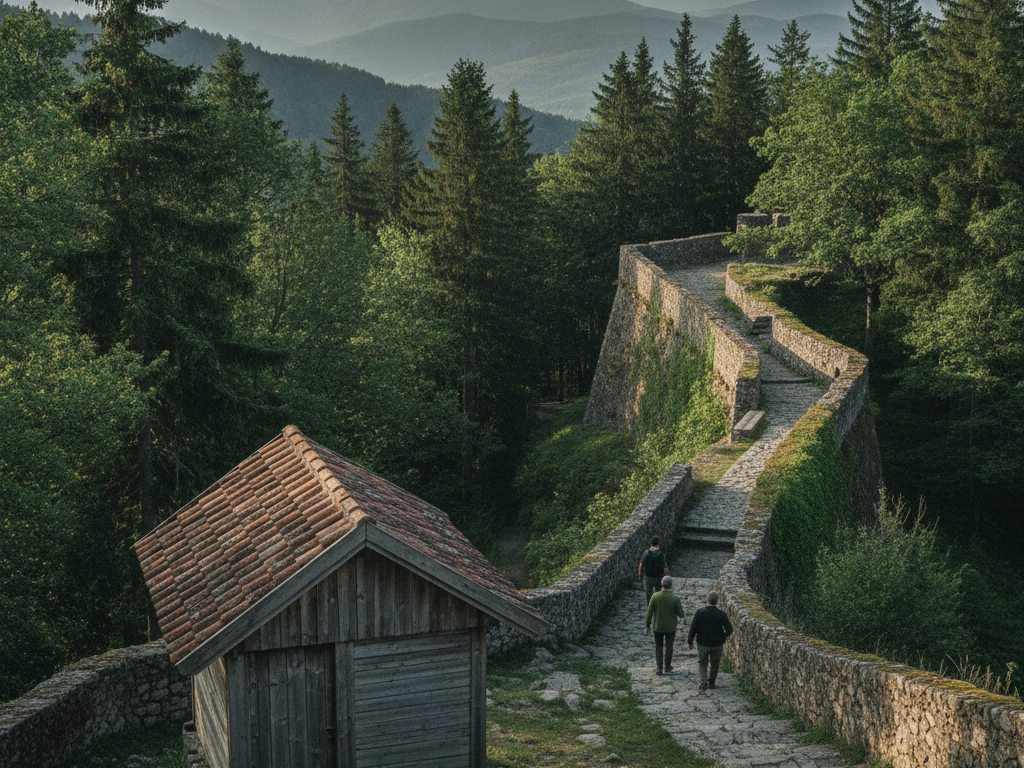
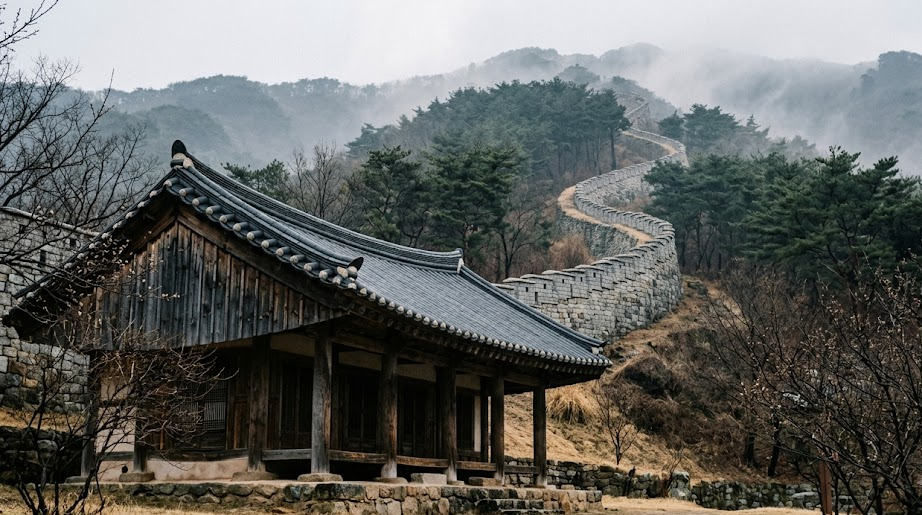
The point where the language of the international stage touches the skin of the city is Hanyang Doseong. The Korea Heritage Service, together with the Seoul Metropolitan Government, Gyeonggi Province and Goyang City, submitted a draft nomination dossier for the "Capital Fortifications of Hanyang" to the UNESCO World Heritage Centre last September, and is aiming for inscription in 2027. Administrator Heo explained that King Taejo Yi Seong-gye built the wall along the peaks and ridges of Baegaksan, Namsan, Naksan and Inwangsan as he laid out the palace, Jongmyo and Sajikdan. He added that the resumption of the information center carries great meaning for understanding that wall.
This wall does not sit inside a museum. Under the policy of easing security after the return of Cheong Wa Dae, six trails are understood to have opened around the clock, and the information centers are likewise operated across six zones. There is also a count showing that if inscription goes through, the range of impact will widen and at least 38 redevelopment projects in Seoul will fall within it. Where the cause of conservation and the schedule of redevelopment part ways will remain a matter for consultation while the inscription review proceeds.
So Busan in July becomes a stage of congratulation and a testing ground at the same time. The standing of a country that hosts the meeting is not shown by the lighting at the opening ceremony. It is read through what kind of agreement it has reached with the people who live beside the wall.
The reopening of the information center comes closer to restoring the minimum point of contact for making that agreement. Visitor guidance and patrols, interpretive programs and cultural performances carry on here.
Standing on the stairs beside Changuimun, you notice that the size of the wall stones differs from section to section. Six hundred years sit wedged between the rough natural stones below and the neat square stones above. The information center's door opens at 9 a.m., and the opening ceremony at BEXCO in Busan is on July 19. The four months in between are time enough to go and lay a hand on the wall.