Have you ever felt that you wipe the car windshield less often than you used to? The traces of night insects that stuck to the glass after a long summer drive, the swarms that circled under a streetlamp, the sound that came in when you opened a window. If that memory has faded, it is not only a trick of the senses.
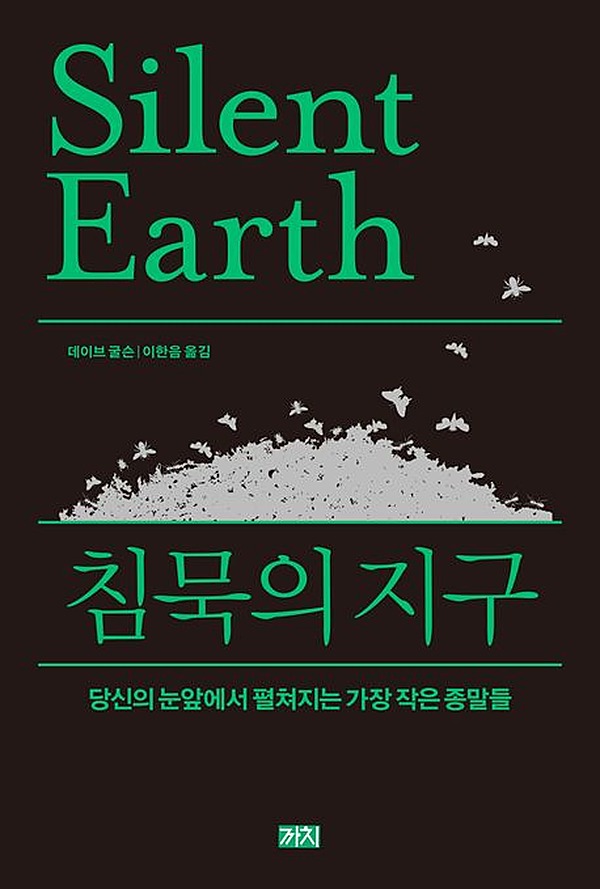
"Silent Earth," written by Dave Goulson and published by Kachi in 2022, takes on that fading directly. It diagnoses the condition of the entire ecosystem through insects, which people rarely place at the center. The silence the title points to is a sound people can no longer hear, and another name for the populations that have disappeared.
The book's tone is calm. It speaks of crisis without raising its voice, and persuades the reader by going back over what insects do, one item at a time. Pollination, decomposition, the lower floor of the food chain. It quietly builds up the fact that when these three are shaken, everything resting on top tilts along with them.
While environmental discussion concentrated on carbon, biodiversity stayed in the background for a long time. Emissions are converted into tons and set as targets, but species that have vanished and populations that have shrunk are hard to handle that way. The use of this book lies in narrowing that asymmetry. It shows that the climate crisis and the collapse of biodiversity are a single problem sharing the same soil, the same water, the same chemicals.
Even in cities that talk about carbon neutrality, insect habitat keeps shrinking. Parks left with nothing but lawn, lights kept on all night, sidewalks paved without a gap. Each was made for reasons of maintenance and safety, and none of it came about out of ill will. There is no cause to blame the intentions, but the outcome remains once those choices meet in one place.
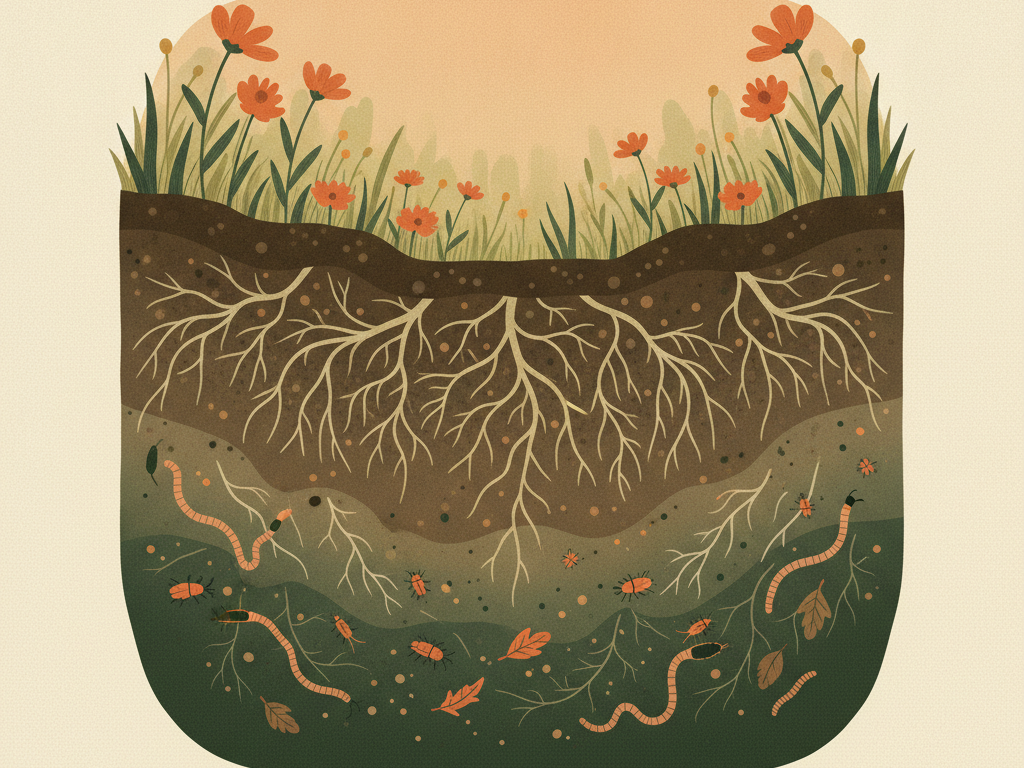
It is also worth reading from the standpoint of resource circulation. The process by which decomposers in the soil return organic matter is older and more intricate than any recycling system humans have built. When those workers decline, more fertilizer and energy have to be used to fill the empty share. This is where the loss of biodiversity comes back around as a problem of emissions.
The strength of this book lies in a shift of scale. Instead of pressing planet-scale statistics on the reader, it lowers the gaze to yards, flower beds, roadside grass. To readers who easily feel powerless when facing an enormous problem, it hands over something the size of what a hand can reach. This is the point where it parts from books that announce the end of the world.
There are places where it grows thin. As the passages stressing individual practice run long, the question of changing how institutions and industry operate passes by briefly. To city tenants without the means to keep a garden, or farmers who cannot decide pesticide use on their own, the suggestions may feel remote. How to connect a private yard to policy is left to the reader.
Still, this book stands on the opposite side from greenwashing. It does not tell readers to buy something and solve the problem, and recommends doing less. Not mowing, not spraying, switching off. In presenting environmental practice that does not increase consumption, it has a different grain from other environmental books.
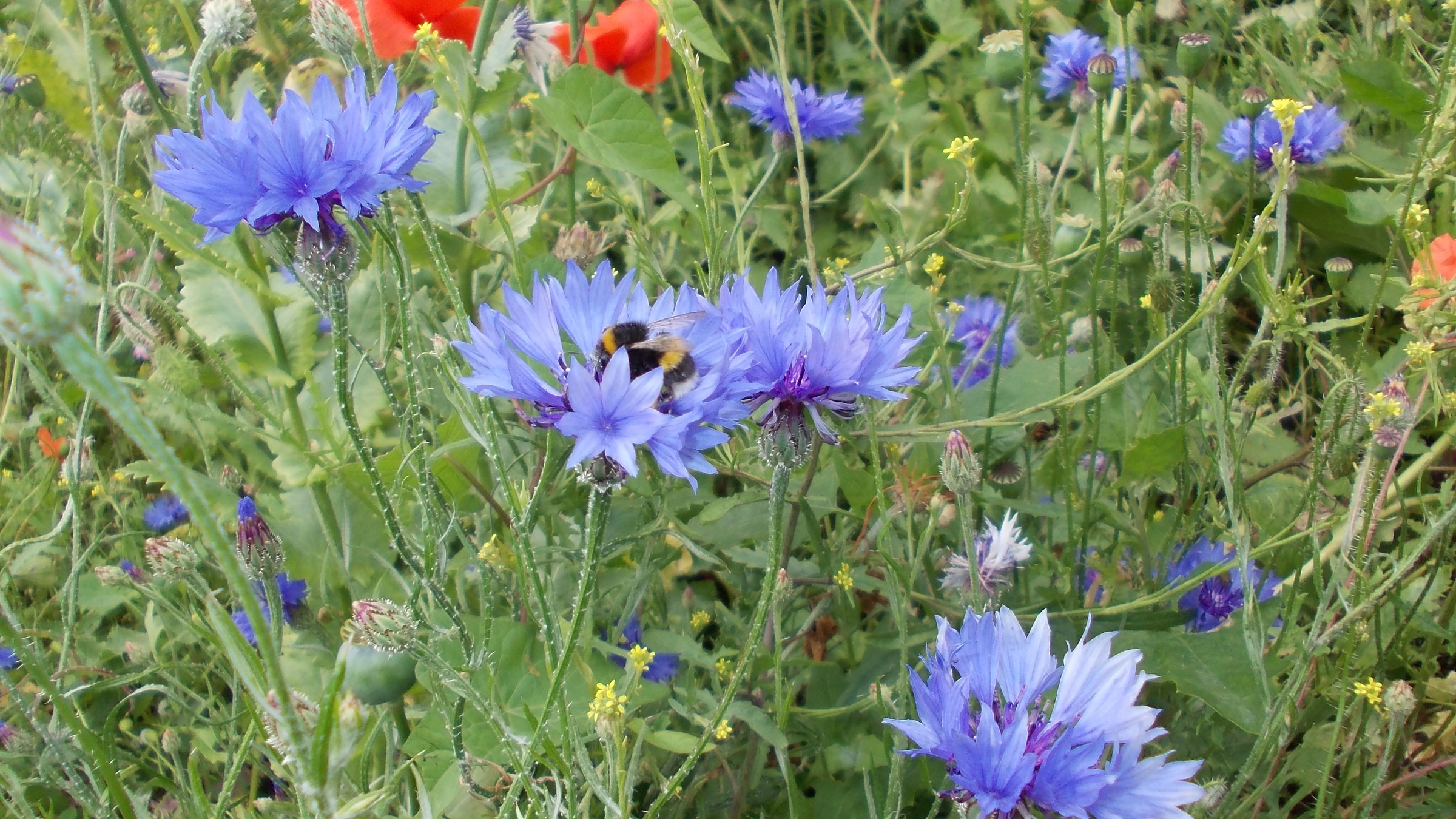
After closing the book, the eye goes to one corner of the yard. Grass left unmowed, a porch light kept on all night, a flower bed left unsprayed are the whole of what the author is talking about. Because it is a size that fits in the hand, it is all the harder to put off.
That small patch shows a changed face after only a few weeks. Confirming the change taking place underfoot becomes the thread that ties climate and ecology together. This book quietly points to that little piece of ground.