
Where has the tumbler gotten to by February? The cup bought with great resolve in the first week of January lies upside down in a corner of the sink, and the shopping bag hangs forgotten by the front door. In a season when resolutions come undone, rather than adding one more layer of self-blame, it is better to work out how far that resolution could have reached in the first place.
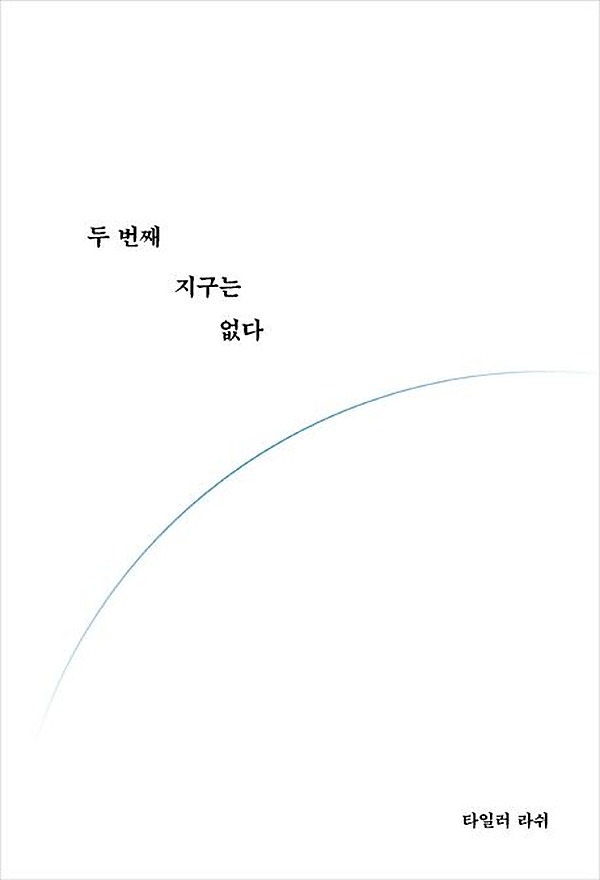
"There Is No Second Earth" speaks from that point. The author of this book, published in 2020 by RHK Korea (알에이치코리아), is Tyler Rasch (타일러 라쉬). When a face made familiar on television came out with a story about the climate, some people probably took the combination lightly. But the approach the book chose was neither to frighten nor to hand out easy comfort.
The title itself is firm. The sentence that there is no alternative planet erases any room for negotiation. At the same time, the temperature of the writing is calm. Pulling the climate problem down from a disaster of the distant future to a matter of the goods and the institutions we use now is this book's basic move.
Carbon neutrality is not a goal reached by individual restraint alone. Changing energy sources and redrawing the resource circulation system are not the kind of change that comes from one person's resolve. Even so, the first force that moves institutions comes from the people who demand them.
The book traces that connection carefully. The person who uses a tumbler and the citizen who demands regulation are in the end the same person, and when individual practice carries through into a voice, the weight changes. It is good reading in February, when the sense of efficacy in practice runs dry.
Its strength lies in accessibility. It cuts down on technical terms and lowers the threshold so that readers looking into the climate for the first time do not close the book halfway. It does not paralyze readers with end-of-the-world scenarios, nor does it sell the cheap relief that a few small practices are enough. This balance is rarer than one might think.
There are places where it thins out. Since the book came out in 2020, it does not carry the details of the policy environment and the industrial transition that have changed since. Readers who want to dig into the technical layers of industrial restructuring or international negotiations will need a next book. Its virtues and its limits as an introduction come from the same root.
The climate shelf already overflows with books that lead with scientific data and with policy analyses. This book does not place the reader as an object of persuasion, and treats the reader as someone who will raise a voice alongside it. So after reading it, what you are left with is something to say rather than a sense of helplessness.
Over the six years since its publication in 2020, the language of climate discussion has changed. The way of speaking that stirred individual guilt has lost its force, and the side that speaks of a common voice and political participation has moved to the center of the shelf. That the attitude this book pushed in its first edition was an early signal of that change becomes visible only when you open it again now.
So it does not read as an old introduction. Even if the details of policy and industry have aged, the attitude of treating the reader as someone who speaks rather than someone to be persuaded stands out more clearly than it did at the time of publication. That is where the reason lies that opening this book again, in the season when February's resolutions have come undone, does not feel awkward.