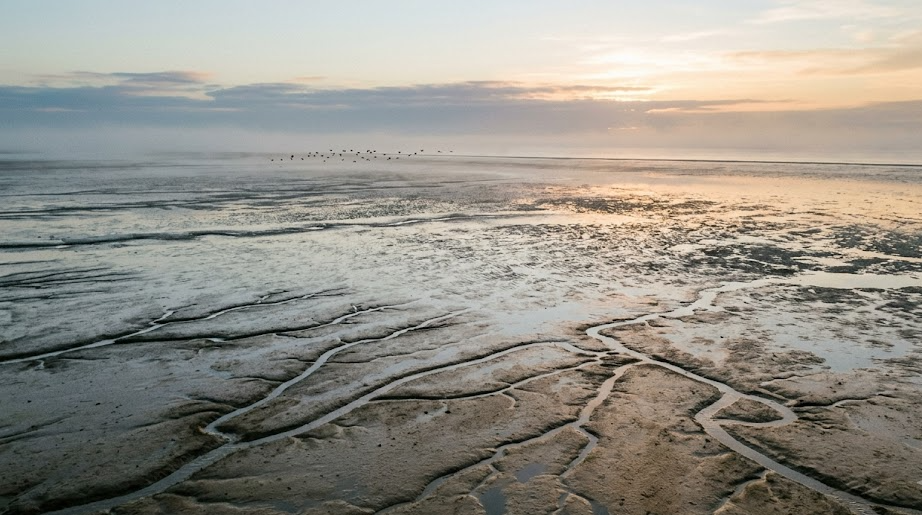
On the 5th, the International Union for Conservation of Nature (IUCN) recommended to the UNESCO World Heritage Committee an extension of the inscription of "Getbol, Korean Tidal Flats." The four sites concerned are the tidal flats of Seosan in South Chungcheong Province and of Yeosu, Goheung and Muan in South Jeolla Province. The union assessed that its evaluation found these tidal flats to meet the heritage criteria, integrity, and protection and management requirements set out in the Operational Guidelines for the Implementation of the World Heritage Convention. The final decision rests with the 48th session of the World Heritage Committee, to be held in Busan in July.
In 2021, when the committee placed the tidal flats of Seocheon, Gochang, Shinan and Boseong-Suncheon on the World Natural Heritage list, it left a recommendation to take in the northwestern tidal flats, including Garolim Bay, as well. The joy of the inscription and the homework it brought were contained in the same sentence. The city of Seosan submitted the nomination for the Seosan tidal flats of Garolim Bay in September 2024, and the union's field evaluation team toured Seosan, Muan, Yeosu and Goheung in turn in September 2025. The on-site evaluation of the Garolim Bay area took place on September 30 of that year.
This is a "significant boundary modification," which substantially redraws the boundaries of a property already inscribed, and it is the first time Korea has taken this route. It must pass an evaluation as rigorous as that for a new inscription, and the whole of the five years of supplementary work becomes subject to review again. The union found that "Getbol, Korean Tidal Flats Phase 2" meets inscription criterion 10, which covers natural habitats important for the conservation of biological diversity.
Some 2,400 species live below and above the surface of the tidal flats. For the birds that travel the East Asian-Australasian Flyway, this is a stopover where they fill their stomachs before flying thousands of kilometers without rest. In Garolim Bay, protected marine species such as the spotted seal, the white-clawed fiddler crab and eelgrass live side by side with natural monuments and endangered species.
The road Garolim Bay has traveled is not a short one either. In 2016 it was designated the country's first and largest marine life protection area, and in December 2025 it became the first national marine ecological park. While the labels of protection have been added one by one, the daily lives of the people who use that sea as their livelihood have been adjusted along with them.
Once the inscription is confirmed, the committee checks the state of management each year to see whether the natural heritage status is maintained. From then on, the line between conservation and use is drawn anew every year. If the extension goes through, "Getbol, Korean Tidal Flats" will be reorganized into six zones, Boseong-Suncheon-Yeosu-Goheung, Shinan-Muan Tando Bay, Muan Hamhae Bay, Gochang, Seocheon and Seosan.
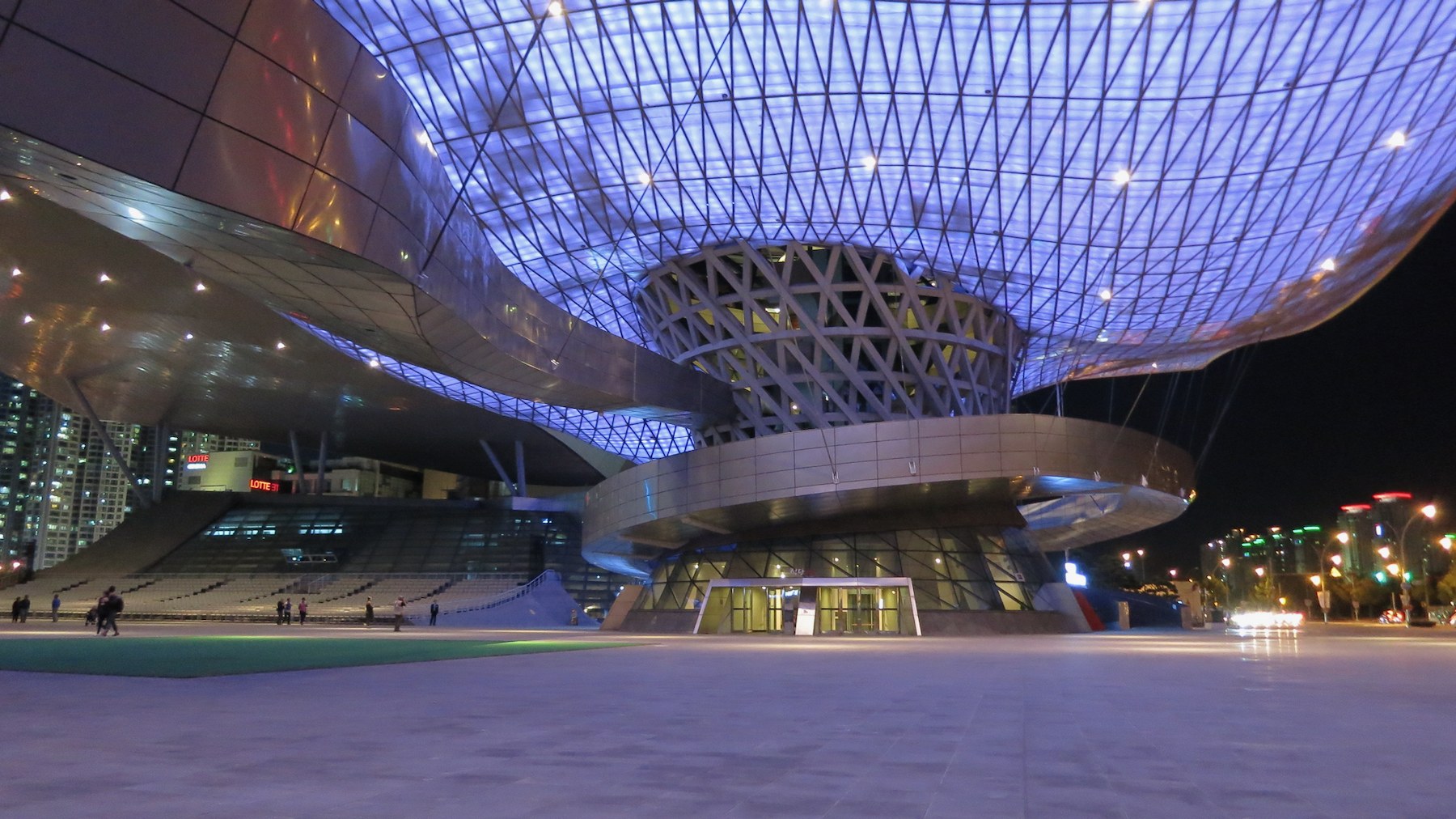
The session itself is also a first for Korea. It will host the committee 38 years after joining the World Heritage Convention in 1988, and the Busan session runs for eleven days from July 19. On which of the eleven days the Korean tidal flats will be taken up has not been announced. In the same session, the follow-up procedure for "Busan, the Refuge Capital of the Korean War" is also under way.
Even while the decision is awaited, the tidal flats open and close twice a day. The tidal channels of Garolim Bay in Seosan can be walked into at the hour when the water goes out. It is best to check the tide table and pick a couple of hours around low tide.