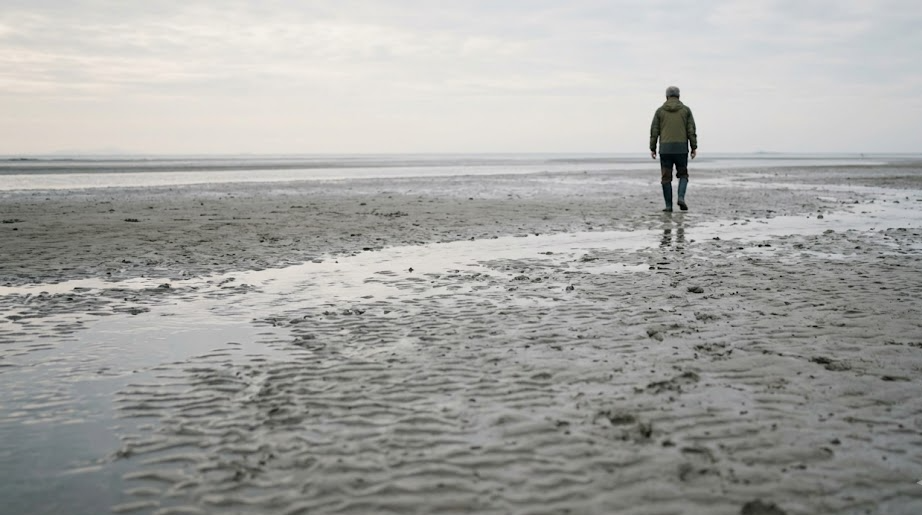
The mudflat has sounds as the water goes out. Air leaks from crab holes as the mud is exposed, mixed with the sound of nylon nets stiffening as they dry. Smelling the salt rising from the gray brown floor, a fisherman knows how far the water will go out today without looking at his wristwatch. That calendar of the body has become the 24th National Intangible Heritage.
The designation is not something that ends with congratulations, it is something that begins there. Tide cycles have no recognized holder, and no transmission organization that passes the skill down. What the state has named is not one person's handiwork, it is a shared memory divided among many villages.
The rise and fall of the sea has long been printed in tables. Even so, which channel to set nets in at which tide, and which way the current bends around the spring tide, are not put on paper. That is memory accumulated over decades of wet feet, and it is the kind of knowledge passed wordlessly to the person beside you on a boat.
There is a counterargument that the approach of having no holder is the right one. If authority is concentrated in one person, the knowledge of the remaining fishermen is pushed down to a lower grade. Designating a community item is a declaration that this hierarchy will not be made, and the intent is sound. But when everyone is the owner, responsibility scatters as well.

Mudflat experience programs and fishing village tourism turn tide cycles into a product. When the buses come in, money circulates in the village, and one reason for young people to stay is created. But even after the visitors dig clams and go home, the number of people who read the water's path at the next spring tide does not grow. Utilization can keep a village alive, but it cannot hand the knowledge down.
What must be checked after the designation is not how many items the list has grown to. The core is who takes down the words of the people who know the tides and how those words are returned to the villages, how many years the survey is designed to run, and whether the different tide names in each village will be left as they are rather than smoothed into one. Whether fishing village cooperatives can stand as the agents of transmission also hangs on this.
A day between the spring tide and the neap tide is something anyone can see. You read the tide table posted at a port on the West Sea or the South Sea, and stand at the edge of the mudflat at the hour the water begins to go out. In two hours or so the sea withdraws several hundred meters, and in that time you come to see that the steps of an old man walking out onto the mud do not waver in the least. What the state said it would protect is exactly that walk.