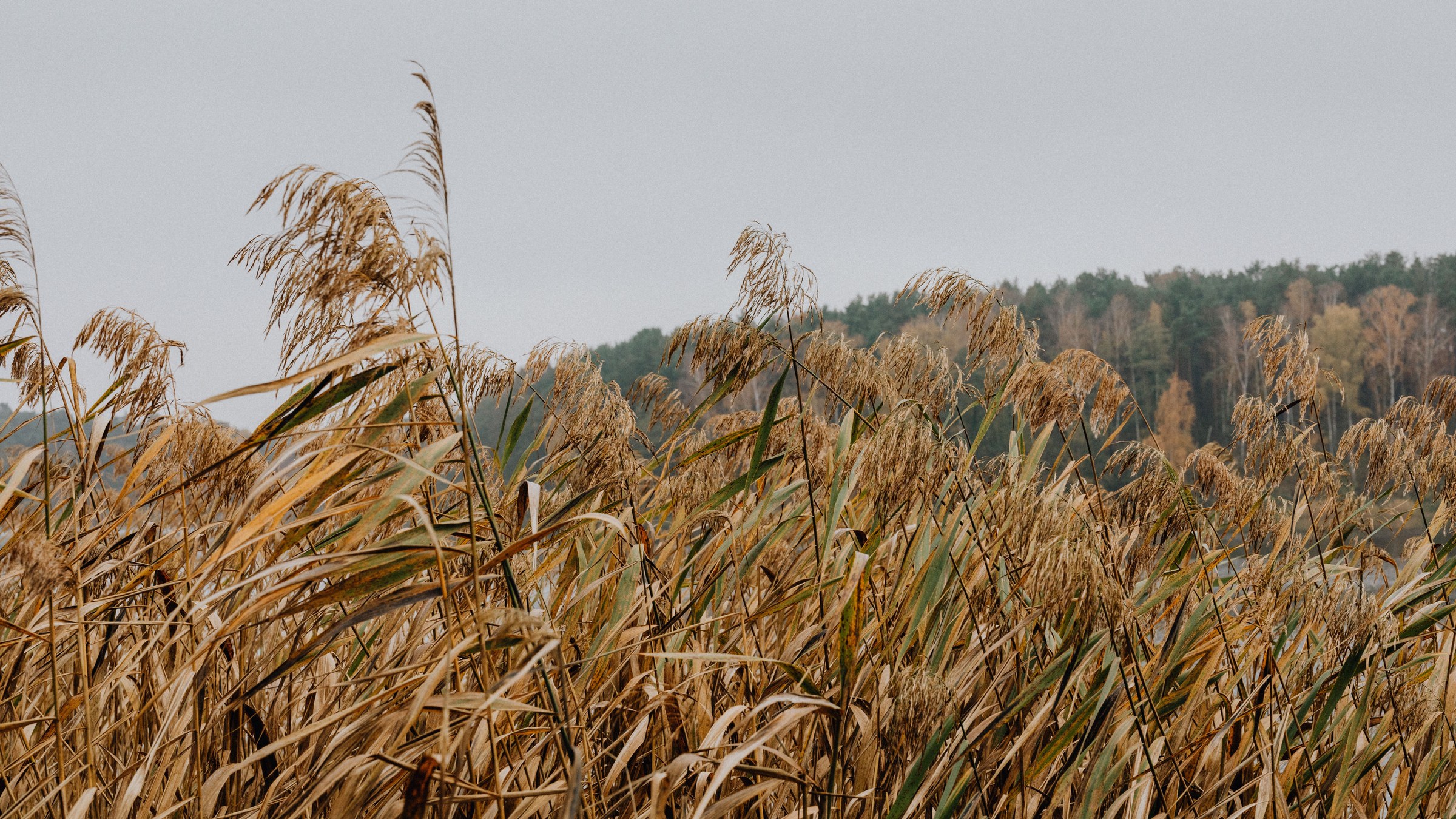
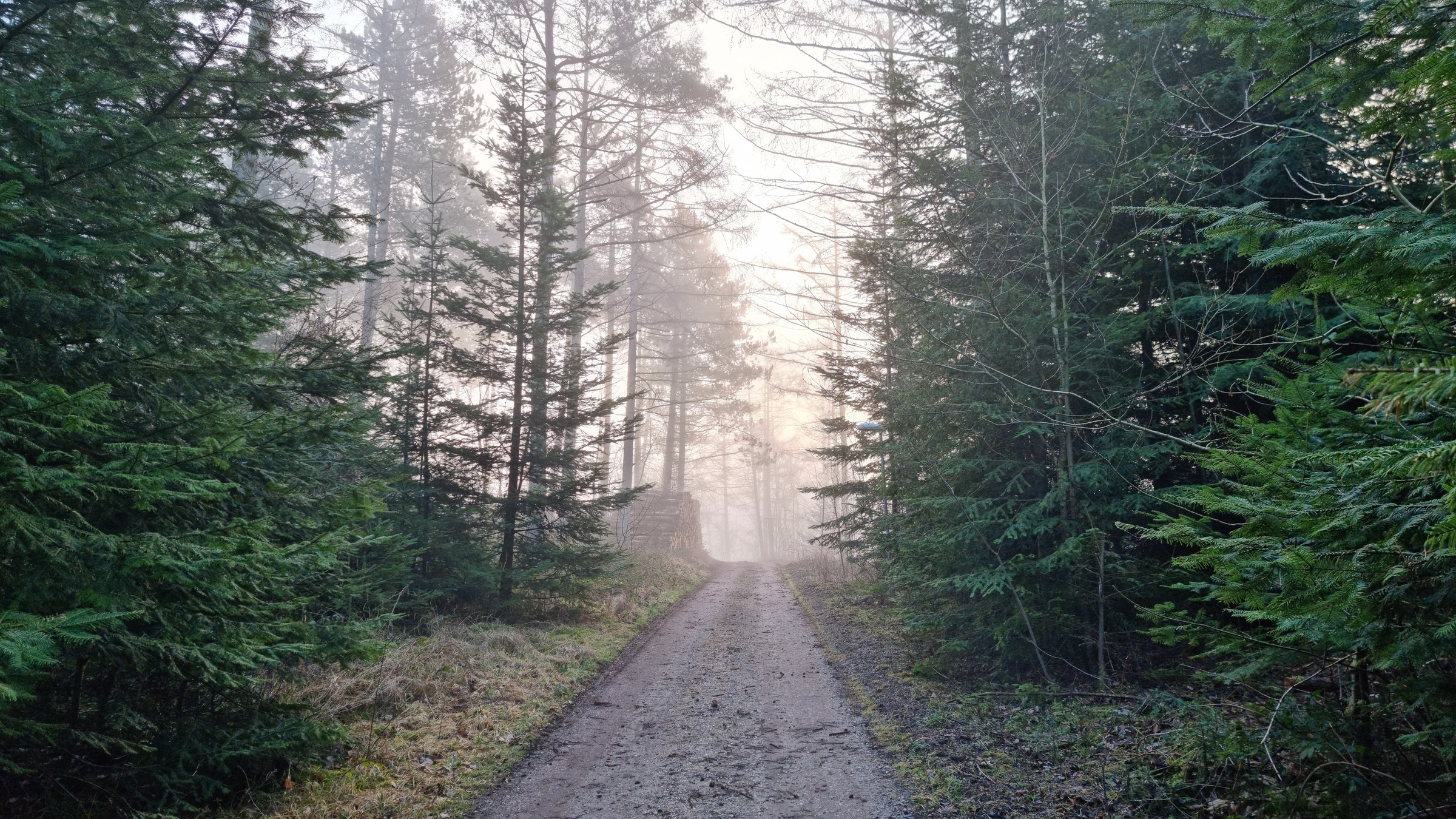
It is early morning, with fog filling the space between the trees. The tips of the fir branches have darkened with moisture, and the end of the path is submerged in white and out of sight. Low-lying light spreads over ground that mixes wet soil and small stones.
Once you enter a path like this, your eyes lose their focus on their own. A gaze that misses what it was reaching for in the distance comes down to your feet, and your shoulders drop by a hand's width. The soles of your feet read the degree of wetness one step at a time. The inhaled air is cool and damp, so the inside of your throat cools slowly.
Then there is something you come to notice. It is the impatience that wanted to confirm the end in advance. A path erased by white fog brings that confirming to a brief halt.
If ten minutes feels long, three minutes is fine too. Walk as far as one nearby tree and stand for a moment in its shade. How about listening once to the sound of leaves brushing together, and then coming back.
A similar walk can be made on a day without fog. In the hallway you enter after lunch on your way back to the office, you find yourself taking the last ten steps or so to the door more slowly than usual. What to watch then is the back of your neck. Whether your chin is pushed forward, whether the tendons at the back of your neck are pulled tight, how that part changes while your steps slow, just observe and leave it at that.
Fog erases the path, and still it always leaves one step underfoot.