
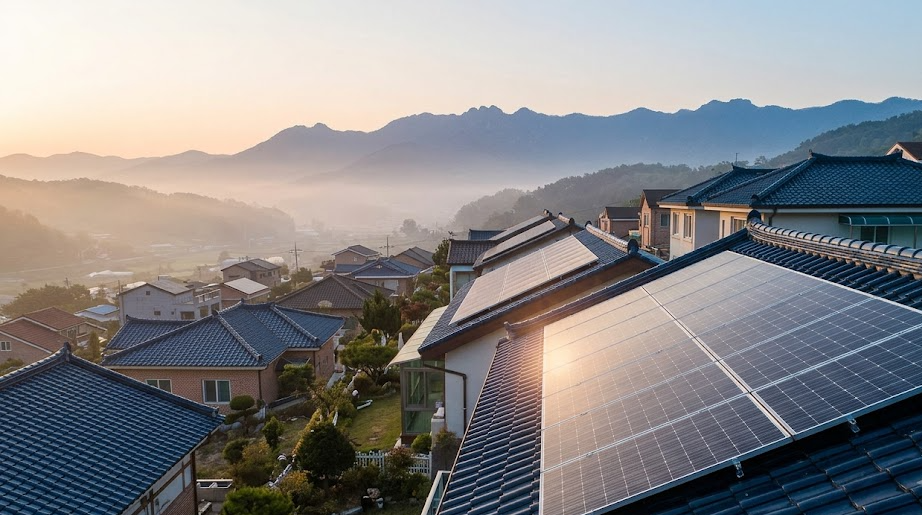
The season has come back when the prices posted at filling stations change several times in a single week. Anyone filling a tank feels that swing at their fingertips every time. Yet the lights and the refrigerator in the same house stayed on all day, with little connection to news from across the sea. Looking into where this gap comes from reveals about half of the answer to the current debate.
There is an argument that repeats every time a price shock arrives. It holds that pushing the transition as well in a year when energy has turned expensive is more than households and industry can bear. The claim that handing over a bill for new equipment investment during a tight time is a burden is not wrong in itself. So this argument is something to answer head-on rather than to ignore.
The starting point for an answer is two simple facts. Solar and wind require no fuel to be bought and burned when they make electricity. The cost of building and maintaining the equipment clearly exists, but they do not ship in by sea a raw material that is priced anew every day on international markets. So even when conditions in oil-producing countries lurch, the cost of these sources does not take the full force of that wave.
Seen across the grid as a whole, the effect becomes clearer. In the hours when a great deal of generation that costs no fuel is running, that much less has to be put to work from plants burning expensive fuel. It means that even when the same shock comes, the share passed on to bills shrinks. Renewable energy has been a climate measure and at the same time has worked as a cushion that absorbs price swings.
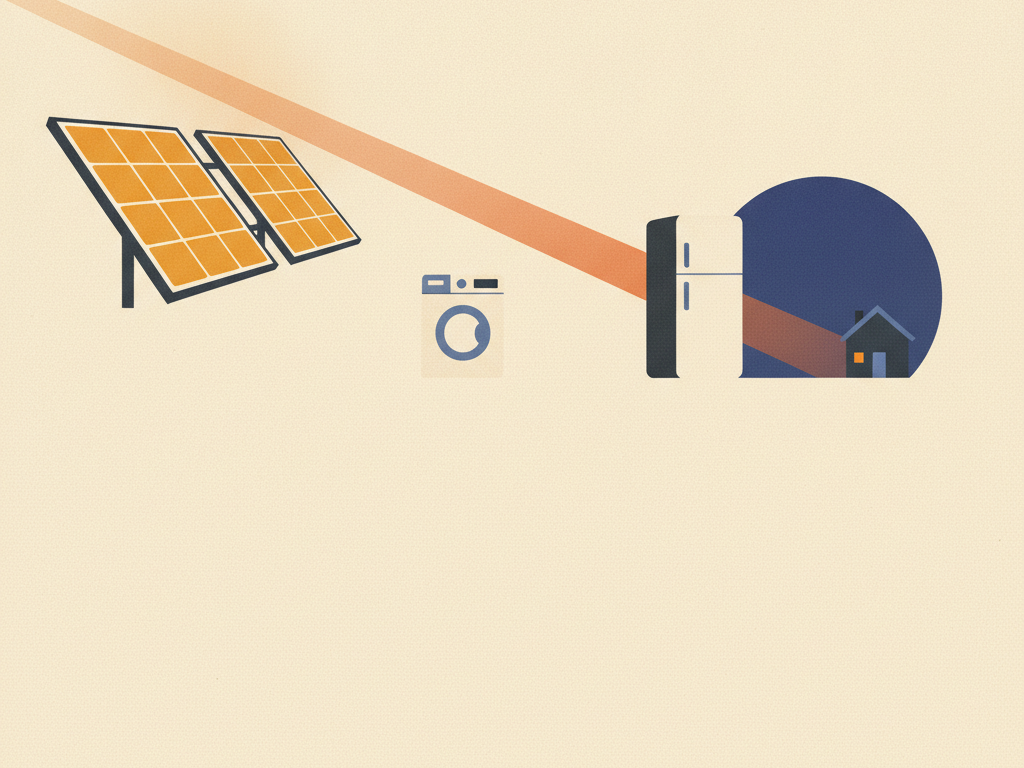
Then the conclusion turns the other way around. An energy security shock hardly serves as grounds for putting off the transition, and instead adds one more reason to hurry. Building a grid that leans less on fuel imports is environmental spending and at the same time an insurance premium against volatility.
The strongest counterargument is intermittency. Sunlight and wind do not come at the hours people want, and unless storage and transmission lines are laid down along with them, the added output is thrown away. The point is a serious one. But while intermittency is a task that technology and operations reduce year by year, dependence on fuel imports does not thin out on its own as time passes.
There is no intention, of course, of inflating optimism. A place that grows the renewable share only in promotional copy while relying on fossil fuels for most of its actual power produces no cushion at all. On the other hand, a tone saying the world is about to end paralyzes people instead of moving them. What is needed is calculation more than scare-mongering.
There is no way for an individual to sway international oil prices. Instead, the choice of moving the washing machine and the dishwasher to the middle of the day when the sun is high is possible right now. The habit of using electricity in the hours when solar output pours down most heavily lowers a household's bill, and it eases the evening peak load, cutting the running of expensive generators. These days, as the spring sunlight lasts longer, that stretch of hours is widening a little each day.