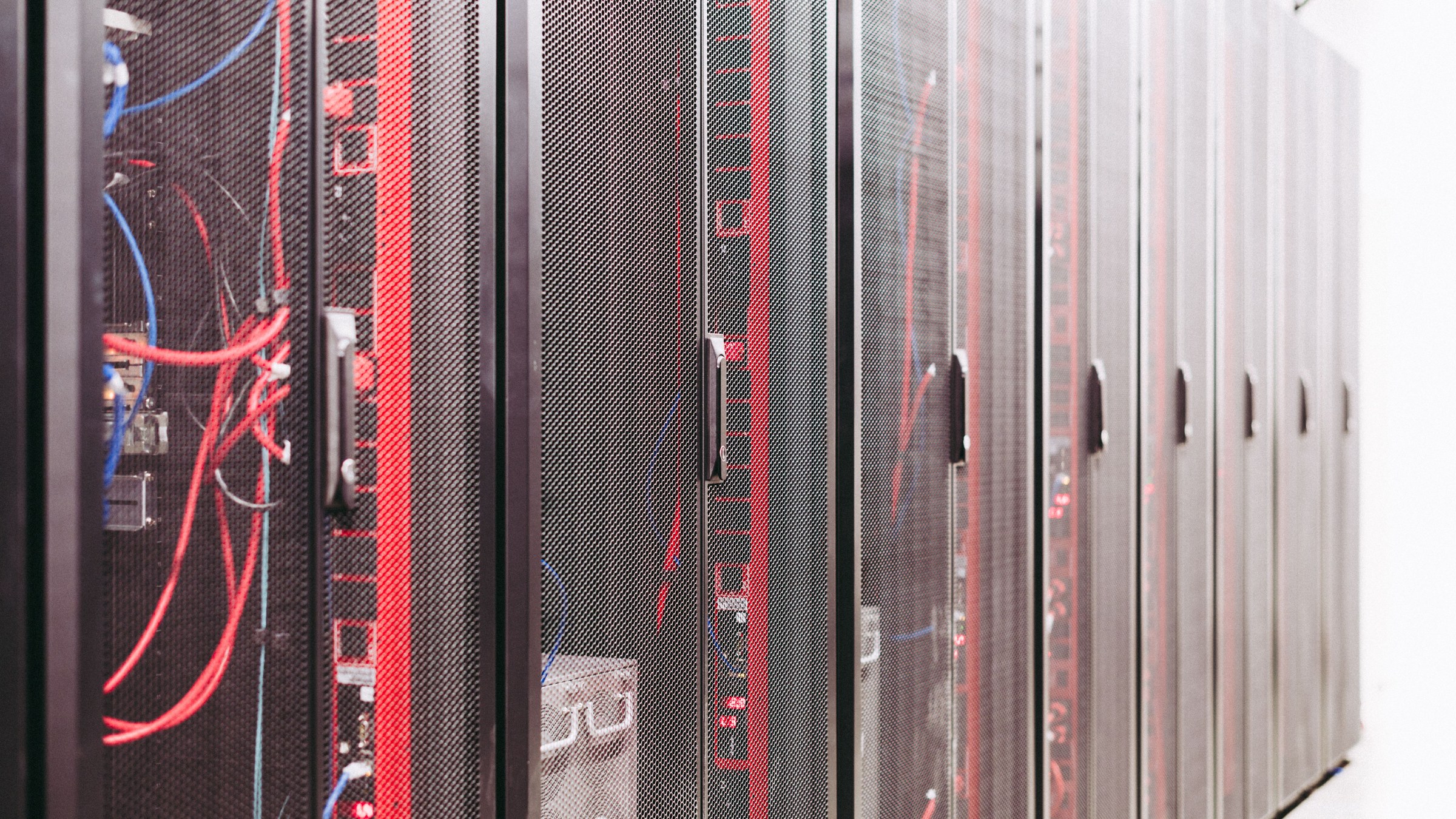
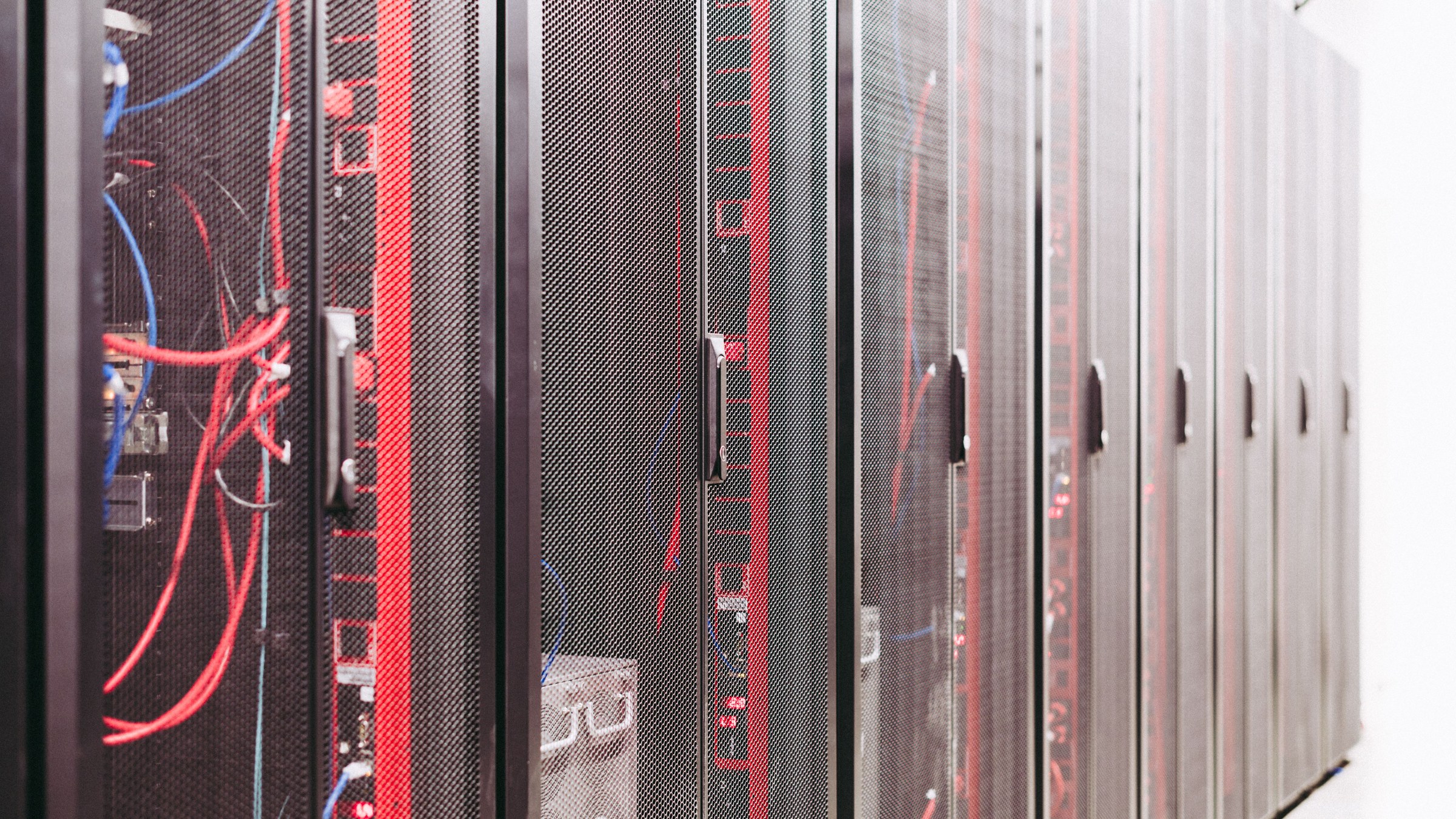
It is a corridor lined with mesh doors. Inside the doors, red indicator lights run vertically like a thin line, and beside them red and blue cables are tangled together. The end of the corridor blurs into white light, and only the handles repeat at the same height. There is no human shadow anywhere.
A data center at night looks quiet, but it may be the busiest time of day. The requests piled up during the day are sorted out, models are trained, backups run. While we sleep, the computation that produces a single sentence goes on behind these steel doors.
The price is heat and electricity. The dense mesh is an air passage rather than a decoration, and lowering the temperature of this corridor is the cost of this industry. When we talk about AI we see only the screen and the answers, but the real weight rests on the air conditioning and the power contracts of rooms like this.
Whether it is mobility or climate technology, today's innovation ultimately runs by renting a single rack slot somewhere. Whether a few more of these corridors will be added, or whether the same corridor will handle more computing on less electricity, is the question of the next several years.
The shadows fallen on the floor stretch at an angle from the door frames and lean toward one wall only. That means the lighting is gathered somewhere at the end of the corridor rather than in the middle of the ceiling. Even in a passage with no people, the light keeps pouring toward one place, and because of that angle a short black band clings to each handle. It was not only the inside of the steel doors that made heat.
Looking at the photograph again, the only thing lit is the red line. The end of the corridor does not tell us how far that line runs.