
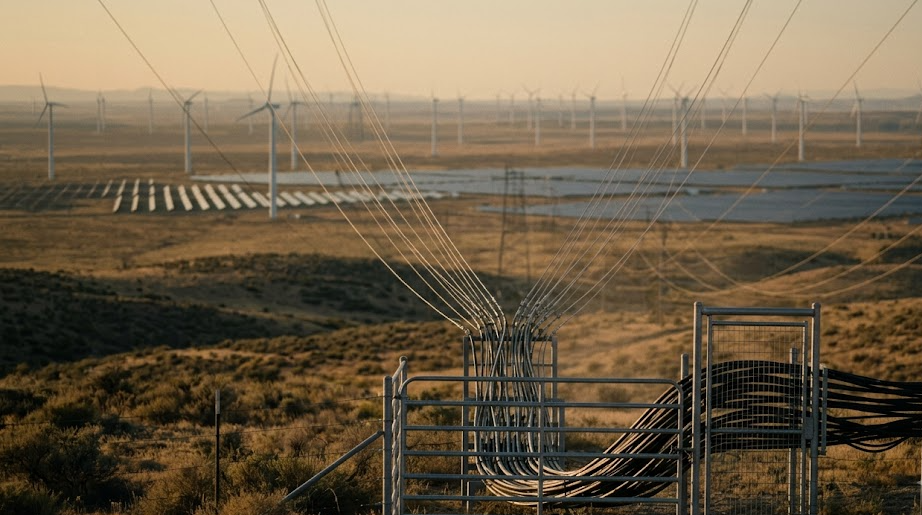
At noon on a clear day, solar panels run at their best. Yet at that very hour, some plants are ordered to cut their output. It is a decision that keeps electricity that could be made from being made. Even though the facilities are there, the rules for taking that electricity, moving it and pricing it have not kept up.
Energy discussions are now heating up along three lines at once. How many more facilities to build, how to change the electricity rate structure, and whether to ease the distance rules between power plants and residential areas. The three discussions roll along at their own pace in their own meeting rooms.
No matter how high the renewable energy targets are raised, unless the power market and grid operation rules are fixed along with them, what increases is only the number of units and the transition fails. What needs fixing is the system.
The counterargument is strong. Build first, it says. There is practical force in the logic that problems surface only once facilities are in place, and that since system design takes a long time, capacity should be secured first. Indeed, nothing starts without facilities.
Still, there is a reason to revisit the order. When the system lags, the facilities already built sit idle, and idle facilities block the next investment. Generators have to calculate returns under conditions where they do not know when a call to cut output will come. Capital does not go where uncertainty is large, and if capital does not come, the targets remain only on paper.

There is no one to blame here. The grid operator has to prevent blackouts, the generator has to recover its investment, and local residents have a right to know about the facilities going up in their town. Each choice is reasonable from where each party stands. What is out of line is the design that has failed to put them all on one table.
That is why now is the chance. A period when discussions on facility expansion, rate reform and siting rules are all open at once does not come often. Conclude the three separately and they cancel each other out, design them together and they hold each other up. Since neither has reached a conclusion, the questions can be pressed now.
No exaggeration is needed. The growth in renewable energy is a clear achievement, and this problem arose because growth was fast, not because the world is ending. Instead, when reading the planning documents that come out from here on, let us check just one thing.
Whether, next to the target of how many gigawatts will be built, there is also written a rule on when and at what price that electricity will be taken. Only plans that carry those two lines together actually run.