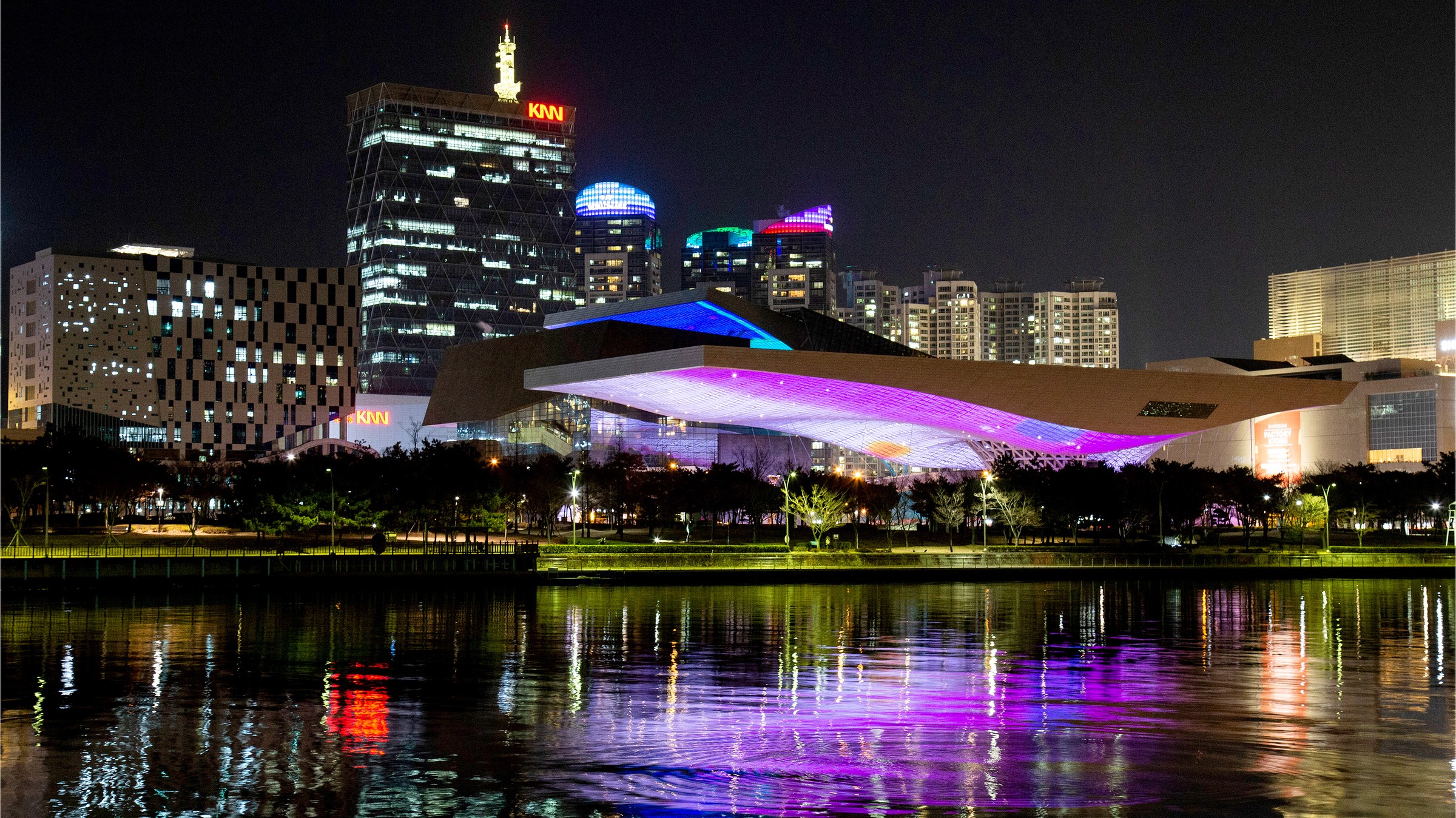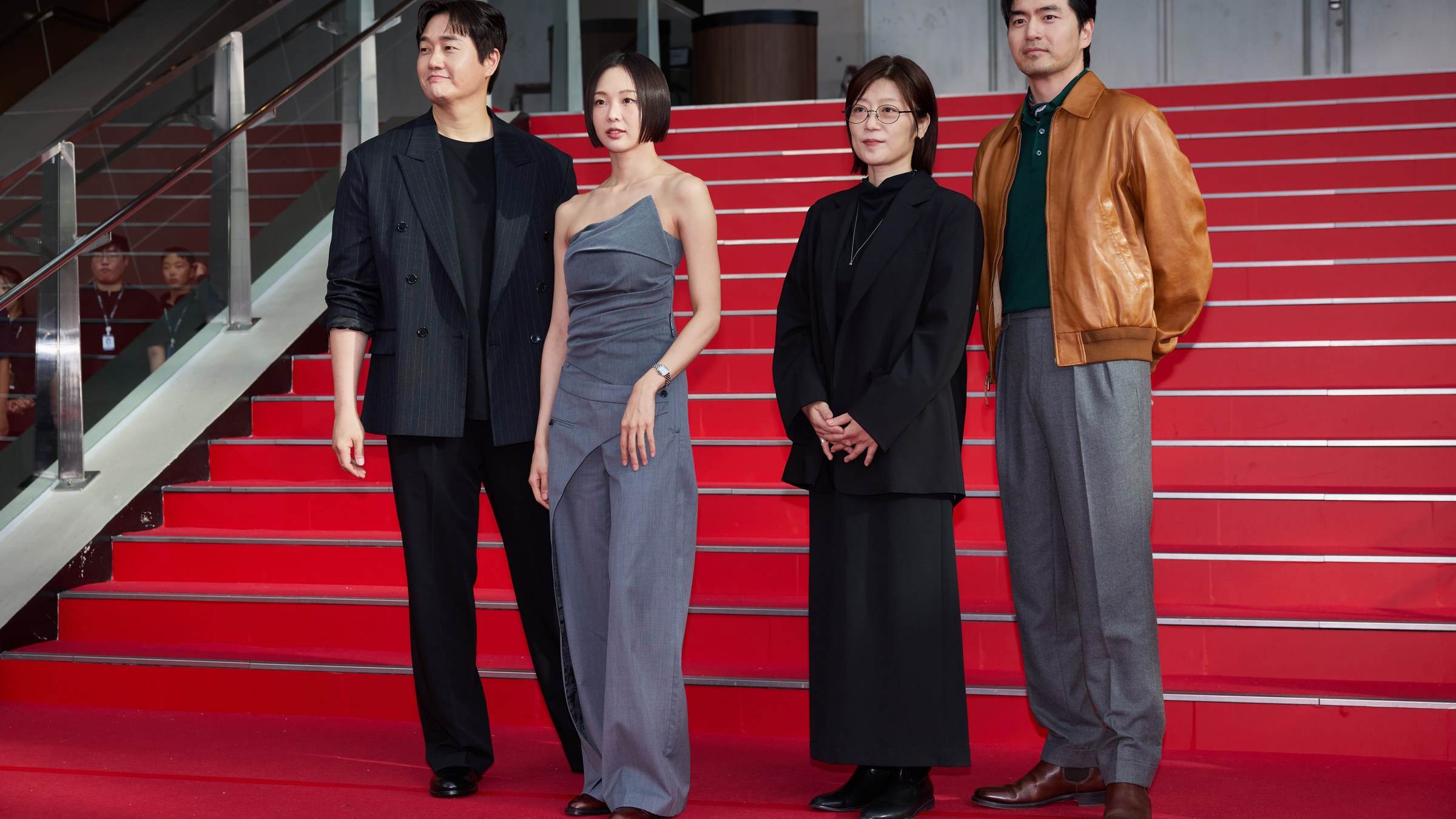
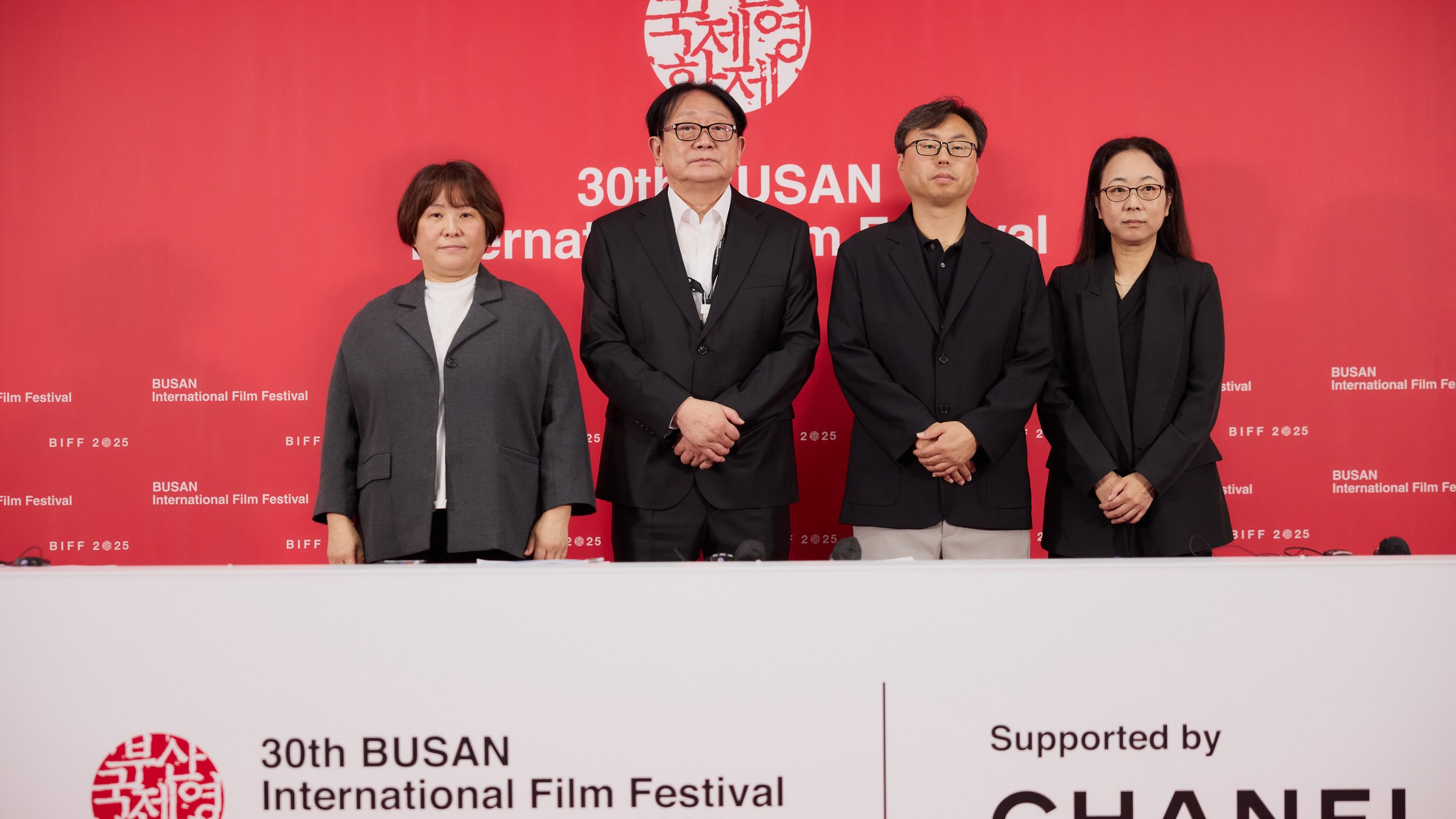
The 31st Busan International Film Festival has officially invited 246 films from 59 countries. This year's festival plans and the list of invited films were announced at a press conference held by the organizing committee at the Busan Cinema Center on the morning of September 1. The 246 official invitations are the largest number since 2019, and the actual program has been arranged with 315 screenings. The festival opens on Tuesday, October 6 and runs for ten days through Thursday the 15th.
This year Busan was newly included among the 17 festivals in the top "A-list" tier designated by the International Federation of Film Producers Associations. The Toronto International Film Festival entered along with it. The Academy of Motion Picture Arts and Sciences in the United States also added Busan to its list in March.
It is one of six festivals that grant their top award winner eligibility to enter the International Feature Film category separately from each country's official submission, together with Cannes, Berlin, Venice, Sundance and Toronto. The film that wins the Busan Award-Grand Prize, the top prize in the competition section, will use that route.
A tier list does not by itself change an audience member's day. It does mean that an Asian film awarded in Busan can now reach the threshold of the American Academy on its own strength. Whether that route actually opens will be seen for the first time in the results of this year's competition judging.
Chairman Park Kwang-su said at the press conference, "Talk of the four major or five major festivals appeared in the press before as well, but this is the first time we have been officially evaluated by film festivals around the world." He added that whether Busan is called one of the six major festivals or one of the 17, it has many shortcomings and problems to solve, and that how it will walk its own original path as a festival representing Asia remains a continuing question.
The schedule has been altered as well. Breaking the long-standing practice of opening on a Wednesday, the festival will move up a day and open on a Tuesday. The aim is to secure one more day of viewing time between the opening and the first weekend. On the four days from Thursday to Sunday, when audiences are largest, daily screening slots will increase from four to five.
The choice keeps the total of ten days as it is and raises the density within them. The adjustment of moving up a day and adding screening slots bears traces of weighing the audience's movements more than the list of films. The larger the festival grows, the more the number of times a film can be shown within ten days remains a practical limit.
The opening film is director Kim Jong-kwan's "Day and Night, to Each Other." It is a story that unfolds in a cafe during the passage from summer to autumn, and Kim Min-ha plays the lead. Festival director Jung Han-seok said the festival had until now held "an excessive compulsion" about its opening film.
His explanation is that the conclusion this time was to choose a work all the audience members at the opening ceremony could enjoy together. He cited as strengths the directing skill in handling a narrow space and the casting that brings eight young actors together on screen.
The competition section, established last year, has confirmed 14 films in its second year. Director Lee A-hyun is on the list with her debut "Taeju of That Day," and director Kim Jung-hoon's genre film "Shaving" and the animated "Long Long Night" also entered as Korean selections. Iran's Majid Majidi brings his new film "Bread and Book," and China's Gu Yu brings "The First Loneliness," which closes his trilogy. From Japan, director Hirose Nanako's "Between Two Lovers" and director Okita Shuichi's "Satoko, Always" were invited.
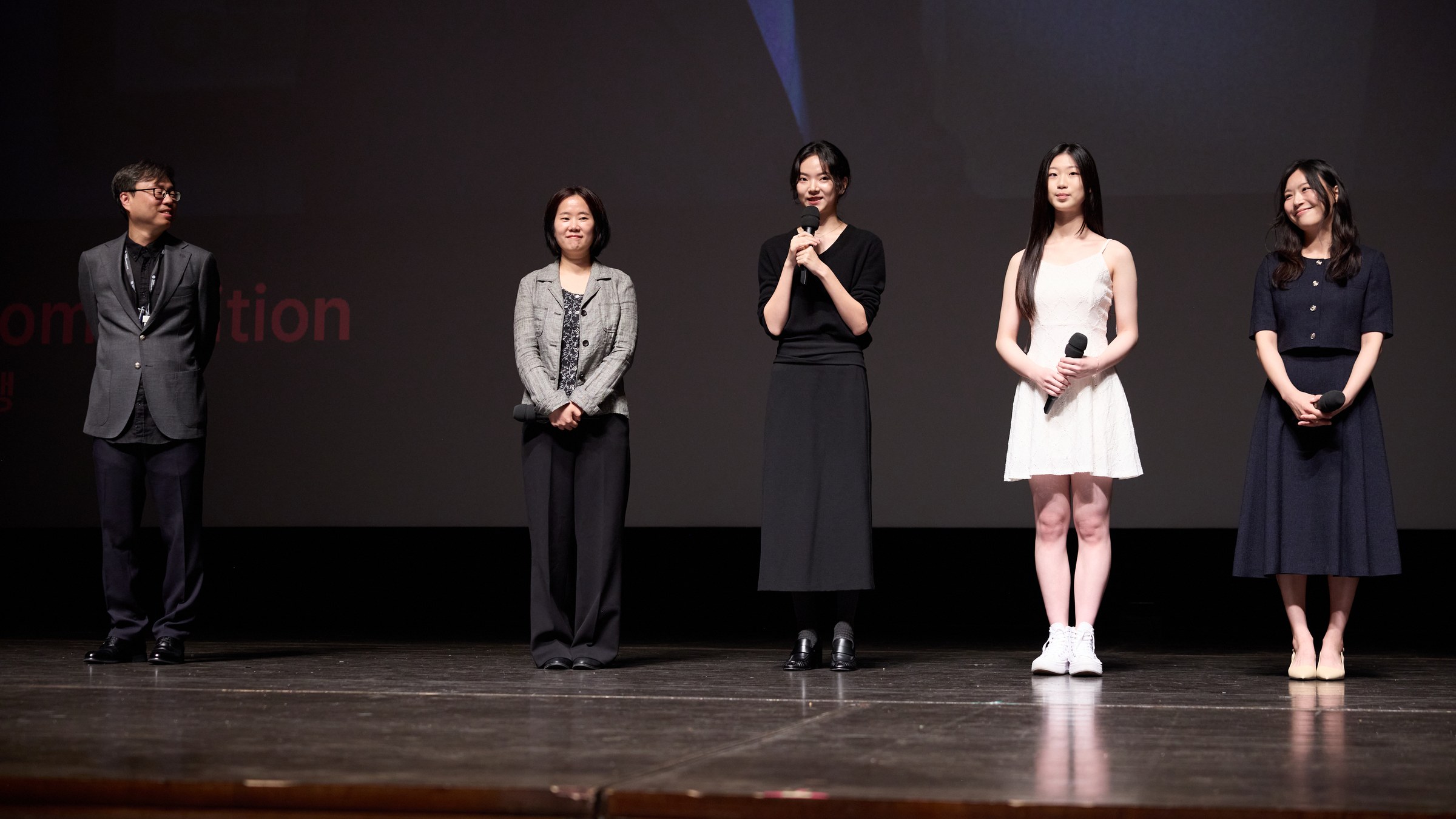
Festival director Jung Han-seok explained that in composing the competition section the festival is not fixated on world premieres and that its intent is to invite any good film. The arrangement that mixes a new director's first feature and a master's latest work in one section supports that explanation. The Vision section, which deals with independent and new directors, has been assembled with 24 films, 12 Korean and 12 Asian.
The current that stands out in this year's list is animation. Last year the top annual box office spots in both China and Japan went to animated films, and the worldwide success of "K-Pop Demon Hunters," which dealt with Korean culture, came in the same period. Taking up this current, the festival has put together a special program of Japanese animation with 13 features and shorts. In narrowing the scope to original theatrical works, it left out the films of Hayao Miyazaki and Isao Takahata while keeping the works that influenced the two.
The Midnight Passion section will add an "All-Night Animation" program in which films from various countries are watched one after another through the night. The programming that leaves out the two masters and puts in the works that influenced them inverts the grammar of a retrospective. The plan is to show the conditions that produced the results in place of the finished results.
The Icon section, which gathers new works by world-renowned directors, has grown from 33 films last year to 36, the largest ever. This year 15 Cannes award winners alone will be shown. Director Cristian Mungiu's "Fjord" is the Palme d'Or winner among them, and director Andrey Zvyagintsev's "Minotaur" took the Grand Prix. Director İlker Çatak's "Yellow Letter" took the Golden Bear in Berlin, and director Lee Chang-dong's "A Possible Love" was a contender for the Golden Lion in Venice.
The roster of faces coming to Busan is thick as well. Michelle Yeoh returns to Busan after 15 years. She, the first Asian actor to win the Academy Award for Best Actress, has been named this year's Asian Filmmaker of the Year. Isabelle Huppert and the Indonesian actor Christine Hakim are also on the list of visitors.
Maggie Gyllenhaal's first visit to Korea is also planned, and the short film "Flesh Impact," made to mark the 100th anniversary of Marilyn Monroe's birth, comes with her. It has been 17 years since director Rintaro appeared at a Korean film festival, and the work he brings is his representative film "Metropolis." The Camellia Award, given to a woman in film, went to Hong Kong director Ann Hui.
There are also separate stages for meeting audiences directly. Director Kim Jee-woon, actor Fan Bingbing and cinematographer Hong Kyung-pyo will watch films of their lives, chosen by each of them, together with audiences in Carte Blanche. Six actors will take the Actor's House stage. Kim Go-eun, Kim Min-ha, Ryu Seung-ryong, Shin Min-a, Lee Min-ho and Ju Ji-hoon will talk about the works they have passed through and their views on acting.
Screenings spread beyond the Busan Cinema Center as well. Forum BIFF, under the theme "Speaking of the Possibilities of Contemporary Cinema," runs for four days from October 8 at the Film Industry Center and takes up creative work in the age of artificial intelligence and film policy. Community BIFF marks its ninth year.
Request Cinema, in which audiences propose films to be screened themselves, received a record 92 requests, which were grouped into 18 programs. The screening venues of Dongnebangne BIFF extend beyond Busan to Yangsan and Seoul.
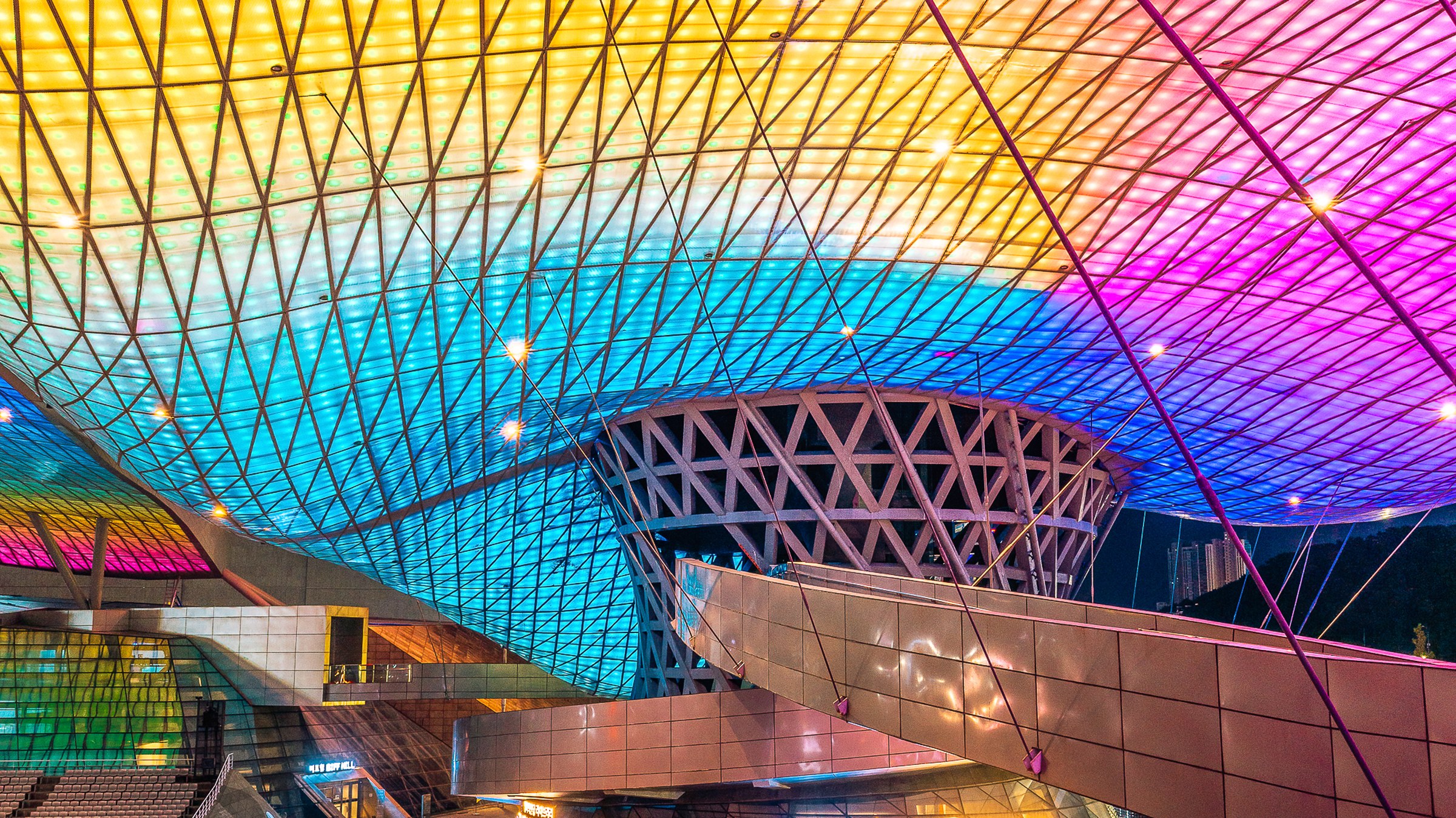
The screening schedule comes out on September 11. Tickets for the opening and closing ceremonies, Open Cinema and Actor's House are released on the afternoon of the 17th, and booking for general screenings and master classes begins four days later on the afternoon of the 21st. Now that the list is set, what the audience has to do is choose their own ten days out of 246 films. Dates have been attached to the seats under the roof of the Busan Cinema Center as well as to the temporary screens in alleys, on beaches and in residential neighborhoods.