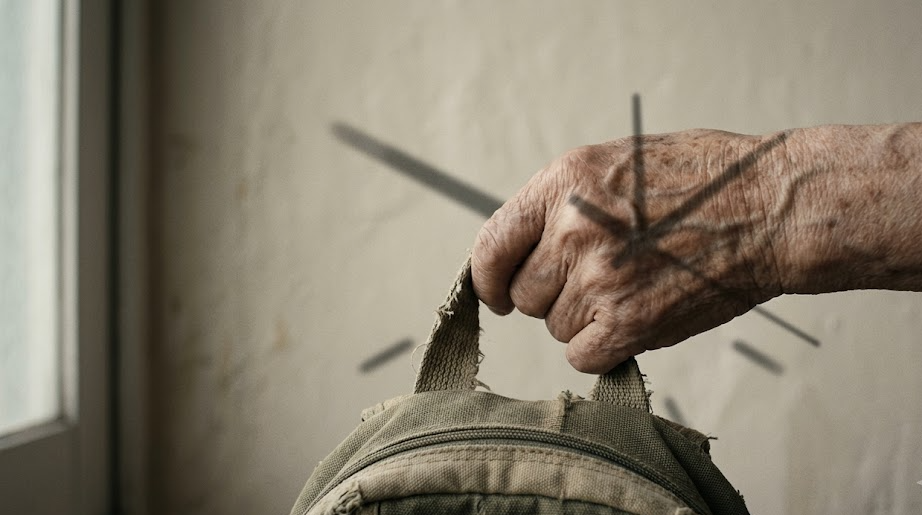
At half past seven in the morning, there is an older person taking a child into her arms at an apartment entrance. The child's parents leave for work, and the older person's day begins at that moment. After sending the child back in the evening, she puts a pain patch on her knee. This scene is so common that no one calls it an event.
Yet there is something to ask about within it. About half of the grandparents caring for grandchildren say they did not take on the role because they wanted to. It means they took it on because there was nowhere else to leave the child. The answer that they do it gladly and the answer that they do it because they have no choice split almost evenly.
Care that appears to have been settled within the family has not actually been settled. A cost the state should have paid was borne instead by aging bodies. This bill is not recorded as a line item in any statistic.
So the care pledges that pour out around Parents' Day should not be judged by what more they give grandparents. They should be weighed by what less they take from grandparents. The success or failure of integrated care and expanded infant and toddler care is not captured by utilization rates either. It is more accurate to measure it by how many more older people no longer have to go out at dawn to pick up a child.
The counterargument is strong. Care by grandparents is the most trustworthy care, and many older people regard the time spent with their grandchildren as a source of meaning in life. That is true. Parents' remarks that it puts them more at ease than leaving a child at an institution are not a groundless feeling either.
But fulfillment and coercion look the same from the outside. Both appear in the form of an older person standing at the entrance every morning. The only difference is whether one can stop when one wants to stop. If devotion that comes from having no options is read as a heartwarming story, then policy has nothing that needs fixing.
What must be checked when designing care policy is decided here as well. Whether drop-off and pickup hours line up with actual commuting hours, whether there is someone at the institution who can go in a parent's place when a child runs a fever, whether services continue through weekends and school breaks. As long as these three places are empty, the gaps will always be filled by a grandparent's day.
Gifts and carnations are over in a day. What grandparents should get back is a morning to go to the hospital, an afternoon to meet a friend, an evening when they do not have to do anything. What the promises made on Parents' Day have changed by this time next year can be seen by looking at who is standing at that entrance.