West Texas Intermediate (WTI) was sitting at around $67 a barrel just two months ago. Then it passed $106 in intraday trading yesterday. The cause was the closure of the Strait of Hormuz, through which about 27% of the world's crude shipments, some 20 million barrels a day, pass. In the middle of this turbulence, the Ministry of Climate, Energy and Environment has put forward a 2026 supplementary budget bill worth 524.5 billion won.
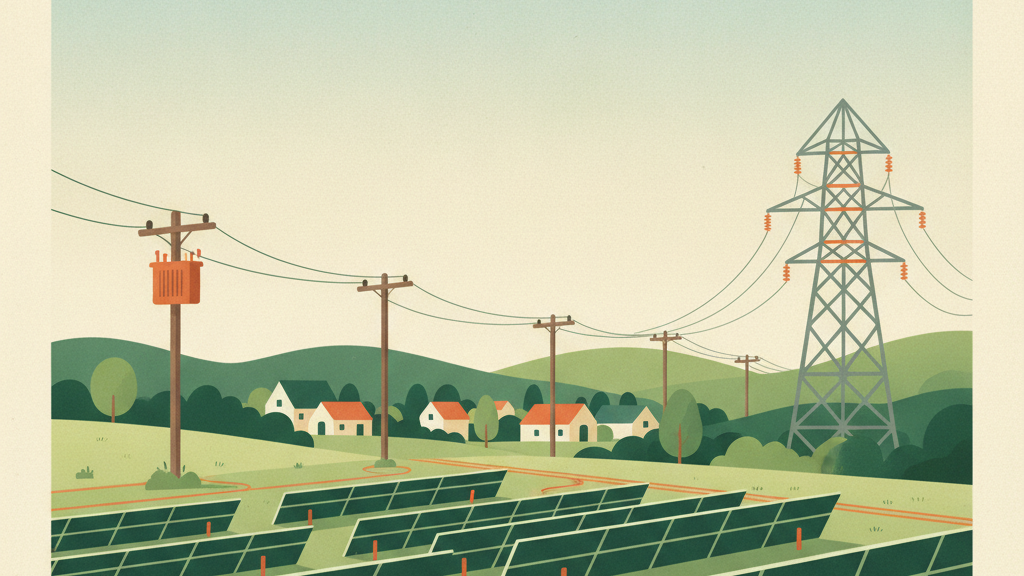
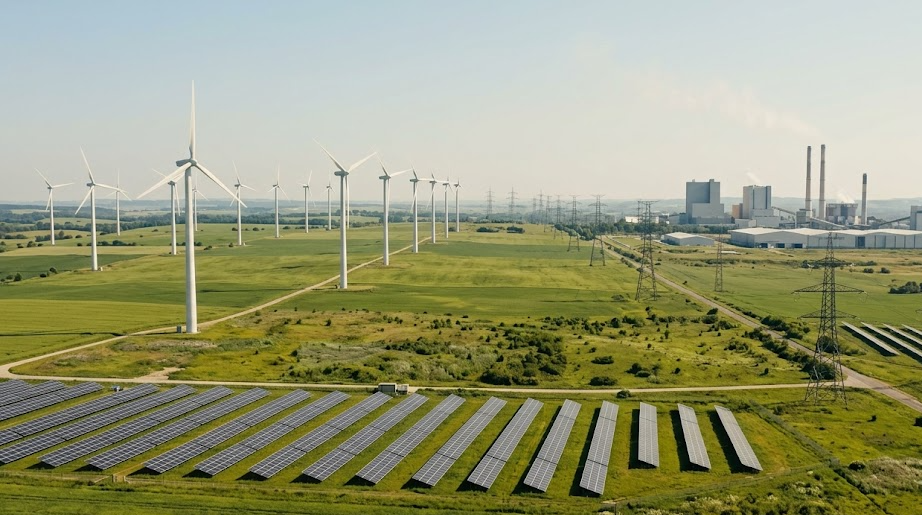
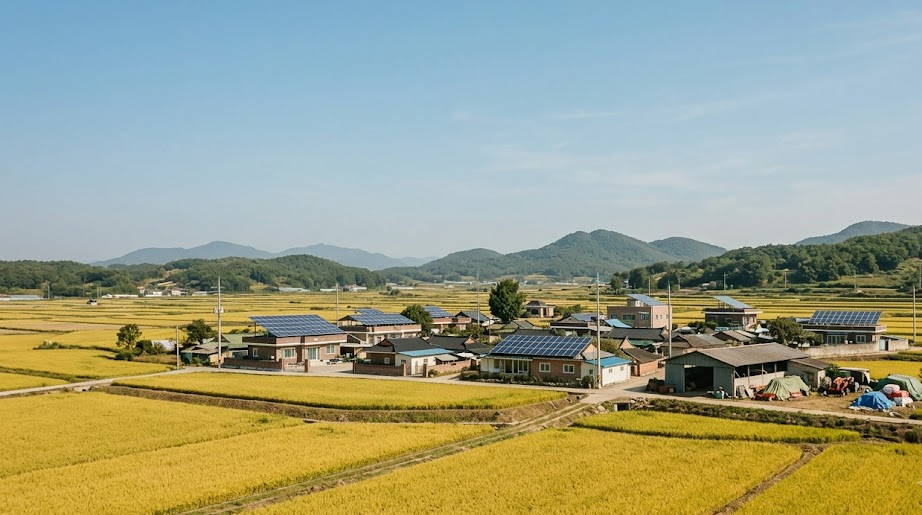
The line items make clear where the weight has been placed. Renewable energy financing support, 220.5 billion won; renewable energy deployment support, 62.4 billion won. Those two items alone exceed 280 billion won, more than half of the supplementary budget total. The financing support goes toward long-term, low-interest loans for sunlight income villages (햇빛소득마을) and for installing solar and wind facilities, while the deployment support is the share for extending solar power into everyday spaces such as apartment balconies, buildings, schools and traditional markets.
When fuel prices rise, it is felt immediately in truck cabs and kerosene boilers. In the fourth week of March, the national average price at service stations was 1,819 won per liter for gasoline and 1,815 won for diesel, up by more than 200-300 won from the start of the year. The supplementary budget includes 90 billion won to increase subsidies for small electric trucks and 10.2 billion won to cover the rise in fuel costs for energy voucher recipient households that use kerosene and LPG. Energy efficiency improvements for low-income households at 12.8 billion won and the operation of self-generation facilities on island regions at 36.3 billion won run along the same lines.
Items that switch heating over to electricity also stand out. These are heat pump projects allocated 5.6 billion won for household heating electrification and 1.3 billion won for electrification at social welfare facilities. Also included are 22.4 billion won for carbon capture and utilization (CCU) projects in power generation and steel, 2.3 billion won for industrial and employment transition, and 1.9 billion won for pre-startup and early-stage youth entrepreneurship. Money for putting out the immediate fire and money for changing the constitution of industry sit together on a single table.
Building energy storage systems (ESS) on the distribution network is also on the list. The aim is to ease output curtailment during hours when solar generation is concentrated and to reduce grid connection delays, meaning the government intends to expand generation facilities and the vessels that hold and move electricity at the same time. The detailed figures await official confirmation.
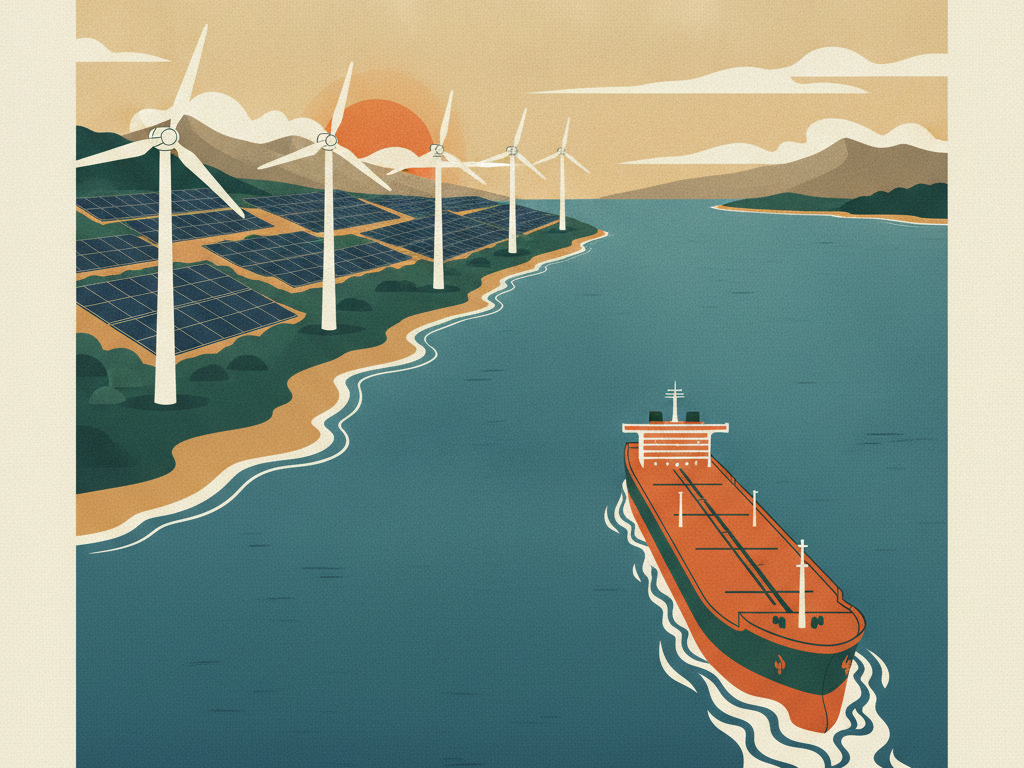
Some see this allocation as coming too late. The criticism is that the current crisis came from oil supply, while renewable energy is a medium- to long-term measure. The government has in fact issued a policy to run coal and nuclear plants as much as possible in place of LNG generation should the situation drag on, and supply stabilization measures including the release of stockpiled oil are also in operation. Securities analysts have projected that the raw materials held by domestic refiners and petrochemical companies will be largely used up as early as mid-April.
The two accounts do not contradict each other. Oil is today's problem, and solar and wind are preparation that will shrink today's problem three years from now. Domestic renewable energy capacity is put at around 34GW, and the government has set a target of 100GW by 2030, of which 87GW is solar. That is a line reachable only by building more than 10GW every year over the remaining five years.
President Lee Jae-myung said at a town hall meeting on Jeju the day before yesterday that a swift transition to renewable energy is needed as a response to the energy crisis. The 524.5 billion won amounts to just 2.7% of the climate ministry's main budget of 19.1662 trillion won. It is closer to a lubricant that turns plans already drawn up a little faster than money that redraws the board.
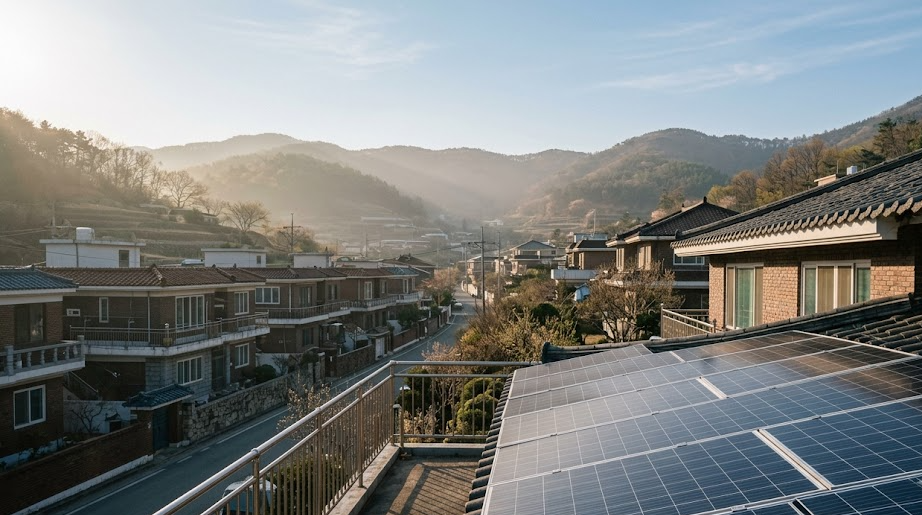
The supplementary budget bill will be finalized only after deliberation and approval by the National Assembly. In the meantime, the handle citizens can grab is on the balcony solar side. If the 62.4 billion won in deployment support passes, the installation cost burden will come down a notch at local government application desks, and applications generally close in the order the budget is exhausted. Fixing a few kilowatts of electricity that does not sway with international oil prices to the railing of your home has a lower threshold than you might think.