If that world was already collapsing when the recording hand arrived, what does the record become? It is a question that keeps coming back in work with cultural heritage. The word preservation carries the premise that something is disappearing.
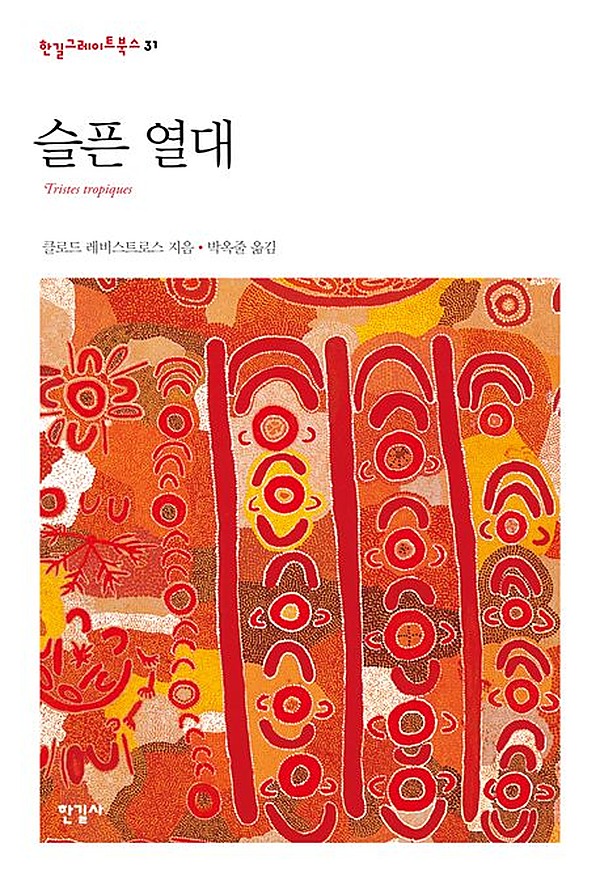
Claude Lévi-Strauss's "Tristes Tropiques" came out in Korean from Hangilsa in 1998. It is a book that has held a place on the shelf for more than twenty years, and it has the thickness to take down again in the season when leaves crumble underfoot.
This book does not wear the face of an academic report. The grain of a travelogue and the grain of thought run together, and the sentences often stop to doubt what they have just seen. The helplessness an observer feels before the subject is left as it is.
The places where it meets our present are clear. Local markets disappear, the fires in the onggi kilns go out, and dialects thin within a single generation. What we do then is take photographs, make lists, and leave video behind. Whether that work keeps the subject alive or stuffs it, this book digs deeper into the asking instead of giving an answer.
The tension between preservation and use is the same. The moment tradition is brought out as a tourism resource it survives, and at the same time it becomes something else. Left untouched it stays whole, but it quietly dies out. This book takes neither side, and it never lets go of the fact that the one who records is part of that change.
The strength lies here. Where other anthropological writing puts its effort into arranging material and sorting types, this book leaves behind feelings that do not get arranged. That is why the word sadness is in the title. It is a layer that administrative documents never manage to hold.
There are places where it runs thin. The gaze of the narration belongs to someone who came in from outside, and the share left to those recorded to speak for themselves is narrow. Considering that heritage preservation today has moved toward putting the voices of community members first, this book is a starting point and cannot be a destination. Even so, discussion that speaks only of the destination without standing on the starting point usually turns hollow.
That gaze, which took neither side between preservation and use, in the end turns back on the recording hand. While the festival opens again and people gather and the cameras roll, the village becomes something slightly different. The recorder stands in the middle of that change.
Sadness is not a feeling about what has disappeared. The heart that knows the hand reached out to hold what is vanishing is changing it and still cannot draw the hand back, the book stops there.