If spring comes and no birdsong is heard, what can we conclude has gone wrong? The question posed by a book more than 60 years old is still alive. In the middle of a climate debate that is recalculating reduction targets and compliance reviews, tracing how the environmental movement began is more than a dated retrospective.
The book Rachel Carson published in 1962 is a record analyzing what pesticides and herbicides, spread widely across the United States after World War I, left behind in ecosystems. Writing that had been serialized in magazines was gathered into a single volume. It explains the effects of organochlorine agrochemicals such as DDT and BHC on the human body and on nature, building up case after case.
What stands out is the conclusion. Carson did not call for removing all agrochemicals. She called for turning toward methods that place less burden on nature. This stance, pointing out the danger while offering an alternative at the same time, forms the book's frame.
The argument carried over into policy. In 1963 President Kennedy set up an advisory committee to handle environmental issues, and in 1969 the U.S. Congress produced evidence that DDT could cause cancer. In 1972 U.S. environmental authorities banned the use of DDT. The cases and analysis one person gathered moved institutions over the course of a decade.
This path connects directly to today's climate debate. Carbon neutrality and resource circulation are both, in the end, a question of how to prove cumulative damage that is hard to see. Emissions accounting, tracing the history of hazardous substances, and statistics on circular use rates all inherit the method Carson used. The fact that writing built up from observation changed regulation serves as practical grounds for the people handling data now.
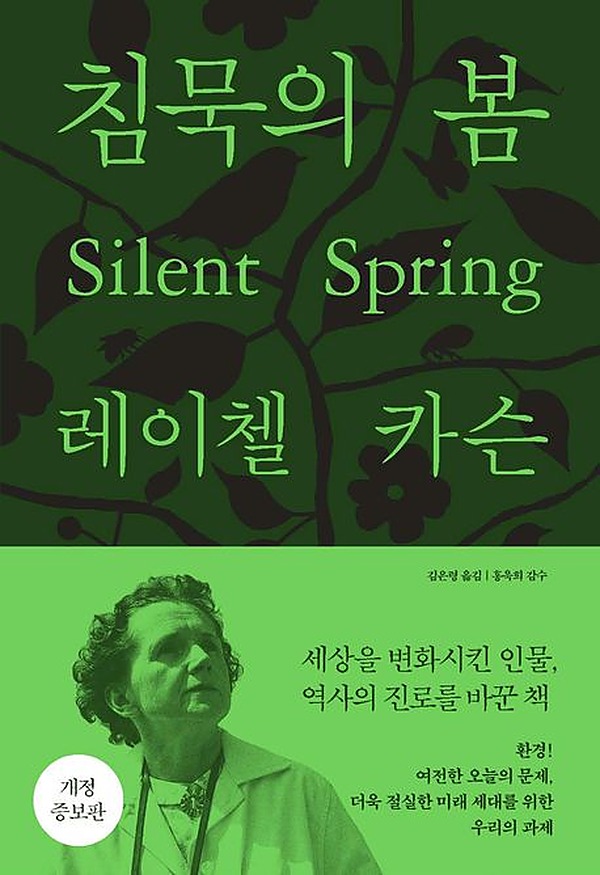
The book's strength lies here. Without casting particular companies or farmers as villains, it shows step by step the paths along which substances move through the bodies of organisms and the food chain. Because it strung together verifiable observations in place of prophesying the end, it could be refuted and it could be verified, and so it survived a long time. That is where it parts from today's crisis narratives, which are used up easily.
There are places where it thins out. Its subject is concentrated on one particular group of substances, organochlorine agrochemicals, so the frame is too narrow to hold problems like greenhouse gases, where global circulation and time lags are entangled. It is also hard to find answers within this book to the industrial transition costs after regulation or the side effects of substitute substances.
It is a textbook for raising the problem, not a textbook for designing the transition. That is why books like 'Our Stolen Future' are read alongside it.
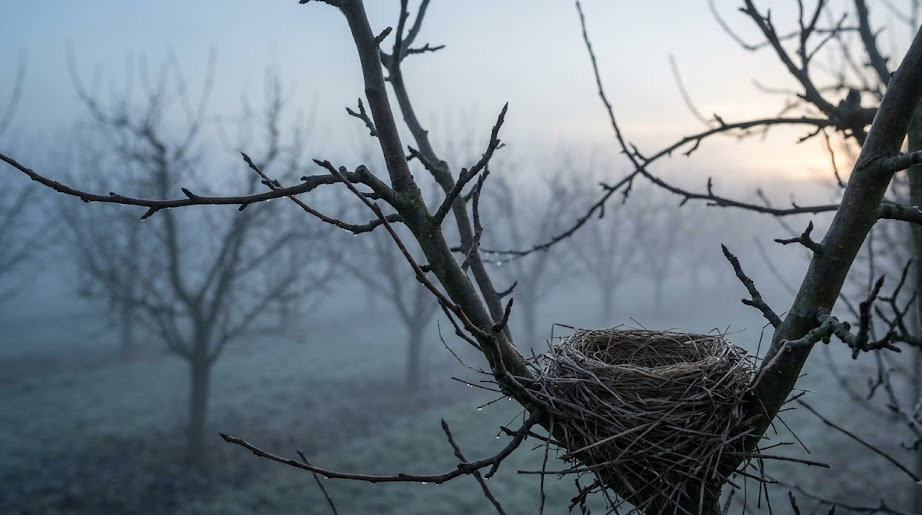
A village where spring is coming but no birdsong is heard, that is where the book begins. Robins drop dead, and blossoms open on the apple trees but no bees fly, so no fruit sets. It was no magic and no enemy attack, it was what the people there had done themselves.
Carson wrote that the village does not exist. She added that those disasters had each actually happened somewhere, and that a good many had begun to happen together in several places.