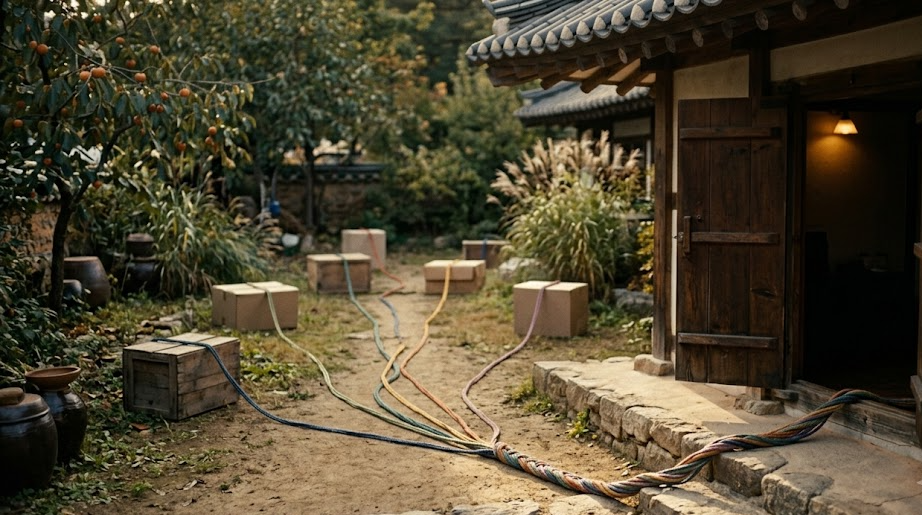
A doorbell rings outside someone's home. Opening the door, checking the packets of medicine, looking at whether the face looks better or worse than yesterday. The point the system called integrated care finally reaches is those few minutes at the front door. However precise the blueprint, if there is no one to fill those few minutes, the system stays outside the door.
This year integrated care enters full implementation. Ahead of it, local governments are announcing one agreement after another to train care workers. They join hands with educational institutions, open training courses, and set completion numbers as targets.
That there are many agreements is good news in itself. At the same time it tells us something else. That the field is short of people right now.
Whether integrated care succeeds depends on whether there are people left to do the caring. It is not a matter of hiring new people, but of keeping the people already hired. Training and retention are different tasks, and the one that agreements solve is training.
The counterargument is clear. Once the system takes root, the workforce will follow. The logic is that when a stable structure forms, the quality of the jobs rises and people gather.
As a sequence, it is not wrong. For that sequence to hold, there have to be people in the field now who will hold out until the system takes root.
Care is labor that is hard to replace. When one person quits, what that person knew leaves along with them. Which house has slippery stairs, who keeps skipping medication, what tone of voice gets an answer back. One new worker fills the headcount but does not fill in that knowledge.
So what to check when reading an agreement is not the number of graduates. It is the next line. Where the trained people are assigned, how much they are paid, how many years they work. An agreement that leaves assignment, pay and length of service blank is a story of widening the entrance and leaving the exit as it is.
The person receiving care is not an object of charity either. That person has decided to keep living at home, and the condition that makes the decision possible is people. The system is the side that creates that condition, not the side that makes the decision for them.
The indicator to watch in the first year of full implementation is not how many were trained but how many stayed. Now, while agreements are pouring out, is also the time when that item can be written into the agreements. That there are still many documents whose ink has not dried, that is the room left at this point.