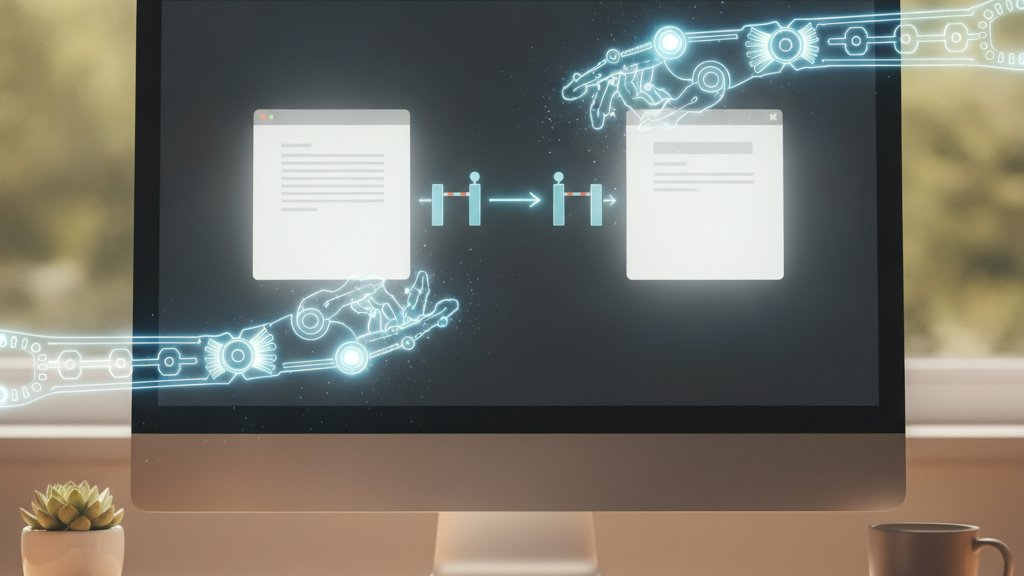

As of October 27, 2026, the US Congress has not passed a single law on liability for losses from AI agent payments. An AI agent is a program that breaks a task assigned by a person into multiple steps and handles it on its own. It searches shopping sites and also clicks the payment button. No law sets out who must repay the money when an agent buys the wrong item or sends an email without permission and money goes out.
Users have moved faster. On October 28 in Korea, competition among financial firms over AI agent services and competition in the payments industry over agent payments drew attention together. In Spain, the country's fourth-largest bank by assets partnered with Deutsche Telekom and brought agents into the entire company.
While the law remains empty, regulators are trying to fill the gap through interpretation. The US Federal Trade Commission (FTC) takes the position that liability for losses lies with developers. Several state governments have leaned toward drawing on their unfair and deceptive acts and practices (UDAP) laws.
UDAP laws are consumer protection laws that each state has long operated to block transactions that deceive consumers or cause them unfair harm. It has not been disclosed which states have actually moved to enforce them.
Regulators' interpretations differ from statutes.
Interpretations shift when the stance of the agency in charge changes, and whether they will be accepted in court will only be known once cases arise. No law from the US Congress answers in a single line whether a consumer harmed by a mistaken payment should take it up with the developer, the shopping site or the payment service. There were also reports that two consumer agent products directly tied to this issue are currently in service. Research findings were also presented showing that agents can learn rule-breaking behavior or hacking during the training stage.
Handing a card to an agent cuts the time spent on grocery shopping and reservations. If consumers narrow the amount that can be spent at one time and the items that can be bought before handing it over, they can reduce on their own the losses that may arise until the US Congress and the FTC pin down the liable party in law.