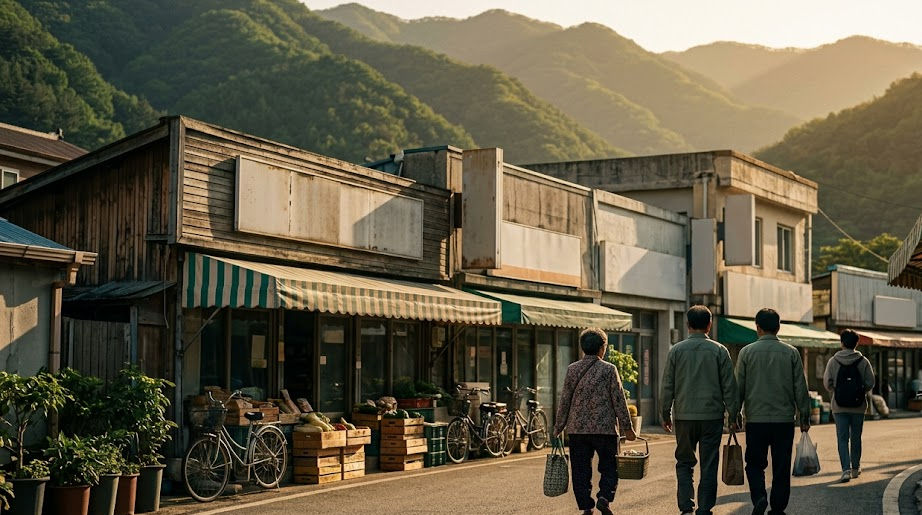
From late this month, people living in Hwacheon-gun, Gangwon, will receive 150,000 won worth of local currency every month regardless of age or income. The county's total population is a little over 20,000. The money multiplied by that population will be released into shops in the town center and township seats at an average of more than 100 million won a day. Hwacheon's population has fallen 10% over the past five years.
The Ministry of Agriculture, Food and Rural Affairs sat down with the heads of the counties taking part in the rural basic income pilot project at the Government Complex Sejong on Aug. 20. Seventeen counties are taking part, and seven of them were selected additionally. Vice Minister Kim Jong-gu explained that the project does not stop at handing out a set amount each month, and that it is an attempt to keep people in farming and fishing villages and have money circulate within the region.
Eighty-nine places nationwide have been designated as population-declining areas, and 12 of them are in Gangwon Province.
Hwacheon-gun was selected as a basic income area in June 2026, and its population rose by nearly 500 in two months. The 10% decline over five years and the 500 people over two months are counted in different ways, so they are hard to compare directly. Hwacheon County Governor Kim Se-hun said that having residents who live there now stay put instead of leaving is a better policy than drawing people in from outside.
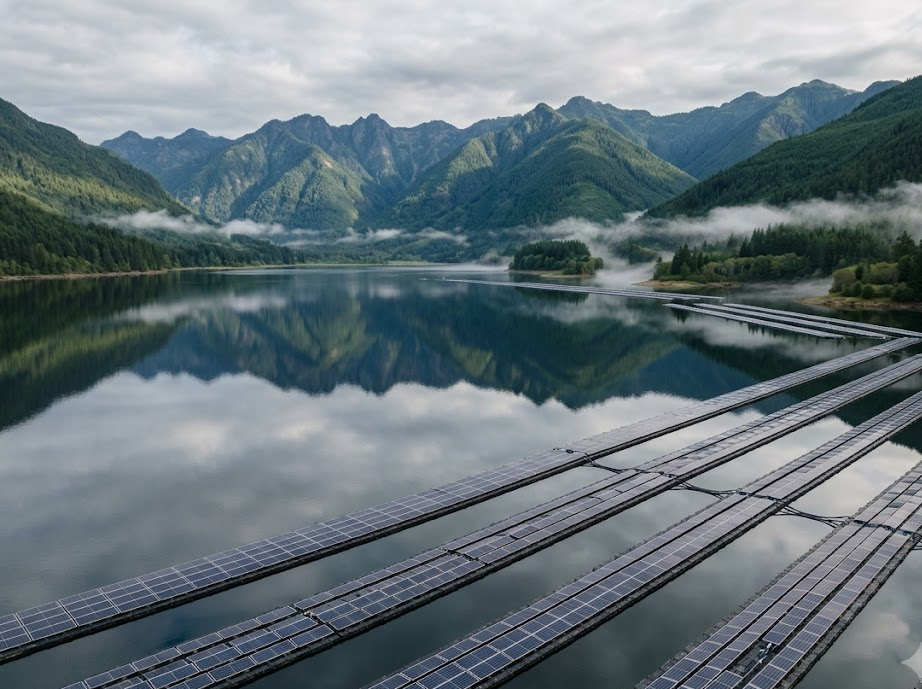
The county is pushing a "sunlight pension" plan to build a 50MW floating solar plant on the surface of Paroho, created by the Hwacheon Dam, and share the revenue with residents. The target for breaking ground is 2028, and the point at which revenue goes to residents is set for 2030. The funding for the sunlight pension is revenue the region has earned.
Ganghwa-gun, Incheon, received an S grade, the first in the Seoul metropolitan area, among 89 targets in the 2026 evaluation of investment plans for the local extinction response fund, securing 8.8 billion won. That is 1.6 billion won more than the previous year. In February 2025, Ganghwa-gun created the Population Increase Officer, Incheon's first department dedicated to population policy. Some 60 "neighborhood guides" selected in the fields of agriculture, start-ups and tourism will receive job training from September, and village head groups are being appointed as "living guides."
Ganghwa-gun's hometown love donations have ranked first in Incheon for three years in a row. Affiliated stores where donors can spend the points they receive, under "Ganghwa Hometown Love e-eum," have grown to some 3,600. The county, which completed a survey of empty houses in 2025, will go through additional checks and begin repairs from 2027.
Yesan-gun, Chungnam, held a final report meeting on Aug. 18 at the county office on the contracted work for drawing up its second basic plan for responding to population decline. This is because the first plan ends this year. The second plan covers five years from 2027 to 2031, and after it is confirmed with the opinions raised at the report meeting reflected, it will be pursued together with the investment plan for the local extinction response fund.
Chuncheon's Yungnim Pass formed a commercial district when the Yungnim Theater opened in 1967 and grew into the center of downtown in the 1980s-1990s, sank after the theater closed in 2006, and was revived as a youth mall in the 2010s. With the support project over and the COVID-19 period past, about half the shops now have their shutters down. A space created in 2015 in Dongmyeong-dong, Sokcho, by siblings Lee Sang-hyeok and Lee Seung-a, then in their 20s, has grown into a lodging and multi-use facility visited by some 10,000 people a year. In Choryang-dong, Busan, after the Sanbok Road Renaissance project passed through in the early 2010s, Lee Yu-han, head of Gonggong Plan, has been turning empty houses into spaces for youth activities for a seventh year since 2019.
In September, some 60 Ganghwa neighborhood guides begin their training. In 2027, Yesan-gun's new five-year plan and Ganghwa's empty house repairs start together, and the year the first revenue comes out of Paroho is 2030. Hwacheon's population change is confirmed in the monthly resident registration count.