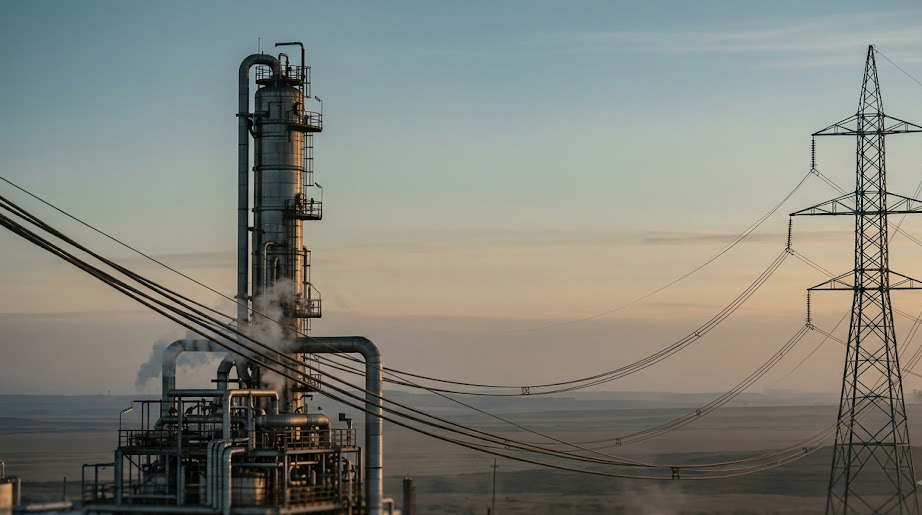
Running one naphtha cracking center (NCC) with a capacity of 1 million tons of ethylene on electricity takes about 8TWh. The figure was presented by Jang Yong-hee, head of LG Chem's low-carbon promotion team, at a forum held at the National Assembly on the 10th. He described the scale as a condition requiring power equal to one large nuclear reactor (about 1GW) to be supplied 24 hours a day without interruption. That means a technology cited as a decarbonization pathway hinges on the precondition of where the electricity is drawn from.
The forum was co-hosted by Democratic Party lawmakers Oh Se-hee and Lee Yong-woo and organized by Solutions for Our Climate. The topic was what opportunities and policy tasks exist around the decarbonizing electrification transition in petrochemicals. It was a forum that laid out the cost items involved in electrification one by one at a point when discussions on petrochemical restructuring are under way.
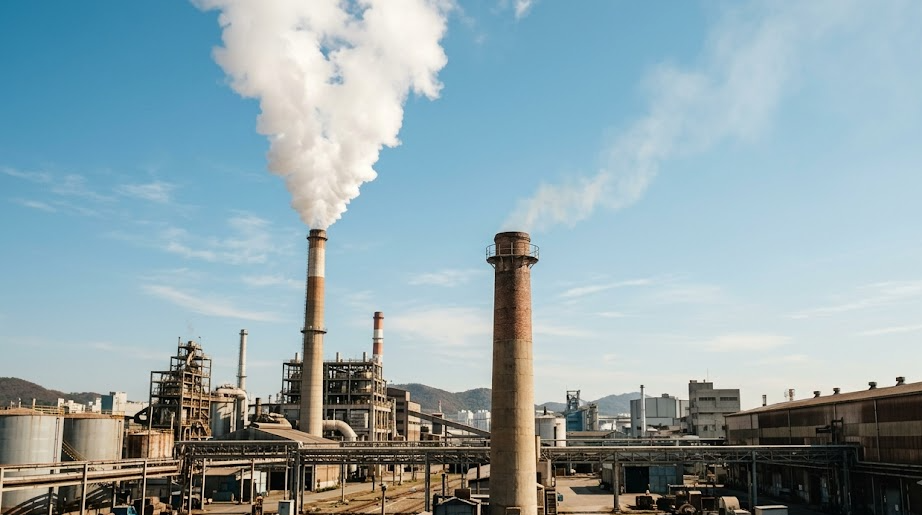
An NCC is a process that raises naphtha to 850-900 degrees and cracks it. Basic feedstocks such as ethylene, propylene and butadiene come out of it. The heat source is obtained by burning byproduct gases such as methane along with some hydrogen. An electrified NCC (e-cracker) is a technology that swaps this combustion heat source for electricity to cut direct process emissions (Scope 1).
Cost estimates were presented as well. Solutions for Our Climate estimated the cumulative cost of the electrification transition from 2025 to 2050 at about 91 trillion won for NCCs at the Yeosu, Daesan and Ulsan complexes. In the same estimate, additional power demand from electrification comes to about 91.4TWh. Whether this figure is the increase over the 2025-2050 period or an annual requirement is described differently depending on the presentation materials.
It was pointed out that the emissions reduction effect depends on the state of the power grid. Team leader Jang said emissions from byproduct gas combustion amount to about 1.35 million tons, and that drawing 8TWh with the current grid emission factor applied as is could produce about 3.6 million tons. If only the heat source is switched to electricity while the power mix remains unchanged, emissions instead increase.
Tariffs were also cited as an obstacle. Byproduct gas is effectively a low-cost fuel that comes out of the process. Jang said that to protect industrial competitiveness, the price of electricity must come down to a level similar to byproduct gas, or institutional support such as carbon pricing and incentives must follow.
The NCC process accounts for more than half of all petrochemical emissions. Kim A-young, a researcher at Solutions for Our Climate, put this share at 70%. Petrochemicals itself accounts for 7.7% of national greenhouse gas emissions and about 18.7% of industrial sector emissions as of 2024. Kim cited the share of domestic petrochemicals in total national exports at 7.2% and noted the need to consider reductions and maintaining the industry together.
There is movement on the policy side as well. Kim Sung-hwan, minister of climate, energy and environment, submitted the "People's Sovereignty Government Energy Transition Plan" to the cabinet meeting presided over by President Lee Jae-myung on the 6th, including the adoption of electric NCCs and process efficiency improvements along with hydrogen-based steelmaking as industrial-sector decarbonization strategies. In this supplementary budget, the government allocated a total of 924.1 billion won to stabilizing supply chains for oil and key strategic resources and is pushing support for stable naphtha supply. Kim said the Petrochemical Special Act has put in place the institutional basis to support electrification-centered transition technologies.
At the forum, a proposal was raised to electrify processes in stages, centered on the Yeosu, Ulsan and Daesan complexes. Room to lower power procurement costs by expanding renewable energy and using the distributed energy special district system was also mentioned. Opinion converged on the need for expanding power infrastructure, reforming the industrial tariff system, and supporting demonstration and research and development to proceed together. A call was added to design policy so that the burden of the transition does not fall on small and medium-sized firms and subcontractors.
External pressures are tangled along several lines. Oversupply from China, tighter regulations in major countries including the EU's Carbon Border Adjustment Mechanism (CBAM), and volatility in crude oil and naphtha supply chains driven by the situation in the Middle East are all at work at once. These external conditions made electrification a subject of discussion, and its feasibility turns on how much electricity can be bought per kWh. Depending on how the tariff system and grid reinforcement timeline are presented, the character of the 91 trillion won estimate also changes.