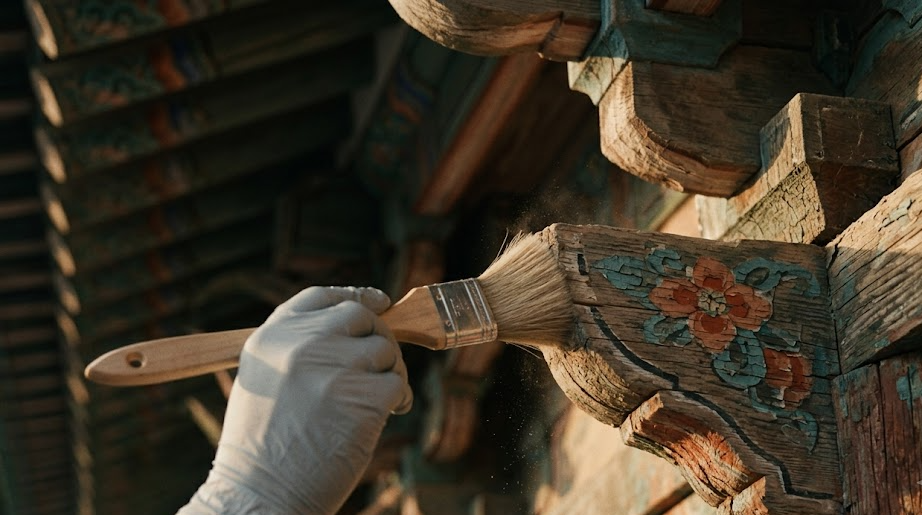
The sound of a brush tip touching wood is barely audible. The timber is cool against the palm, and a faint smell of hide glue mixed with old earth lingers. Anyone who has handled such materials knows it. Most of the work of maintaining heritage is filled with hours that are never filmed.
Our culture now travels farther than ever. Traditional architecture and crafts placed beside a star's face reach tens of millions of screens, and event venues in cities abroad amplify that reach again. There is no reason to disparage reach itself. Without asking what remains after the reach, heritage is consumed only as a backdrop for admiration.
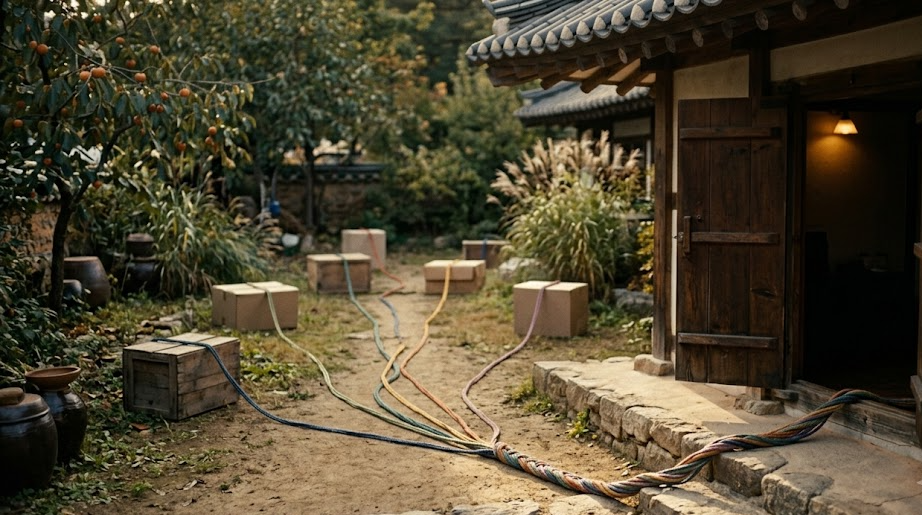
Whether heritage promotion succeeds depends on whether it has a channel that returns view counts to preservation staff and budgets. Exposure does not become preservation on its own. Without a channel designed in between, interest scatters without arriving.
The counterargument is strong enough. It is true that heritage no one knows about is not protected either. The sequence is also realistic, that interest brings visits, and visits bring policy and funding. But that sequence does not roll forward on its own.
Between exposure and preservation there is a stretch where people must intervene. The technician who mixes dancheong pigments again, the manager who records humidity, the young trainee who will carry on the transmission of an intangible practice. If this roster does not grow thicker, global buzz ends as a fashion lasting one season.
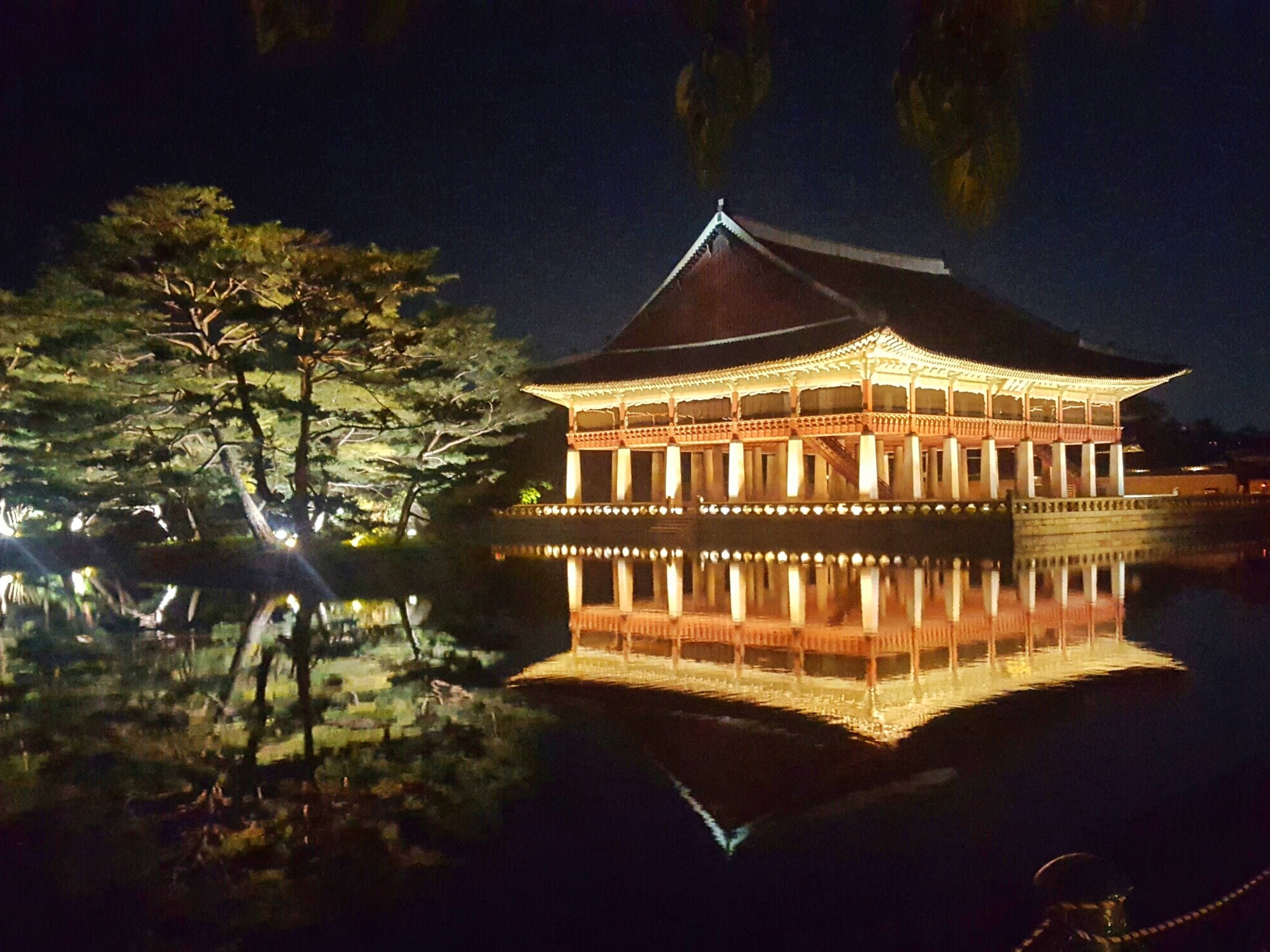
There is one case worth measuring against. The 31st Busan International Film Festival runs for ten days from October 6 to 15, and the main venue is the Busan Cinema Center. The full lineup of invited works is scheduled to be announced on September 1. Whether what the festival leaves in the city is ten days of crowds, or a foundation for screening and preservation that keeps working afterward, is judged anew each year.
The gap between heritage that is shown and heritage that is kept appears most honestly in the budget documents. Promotion line items can quantify and report results immediately, but repair and transmission take several years before results are visible. The ministries that handle heritage cannot be unaware that short-cycle evaluation always pushes out long-cycle work.
The points to watch, then, are also clear. Whether the management staff for heritage that drew attention increased that year, and how much of the revenue earned through collaborations returned to the site. When these two items begin to be disclosed, promotion finally becomes part of preservation.
The nearest place to start is to turn off the screen and stand at the gate yourself. Moss on the wall, the creak of the floorboards, the handwritten notice the caretaker has posted. Facing that physical presence, you come to know in your body why heritage cannot be replaced by a single photograph. And the more people who have that sense, the thicker the voices asking about budgets and staff become.