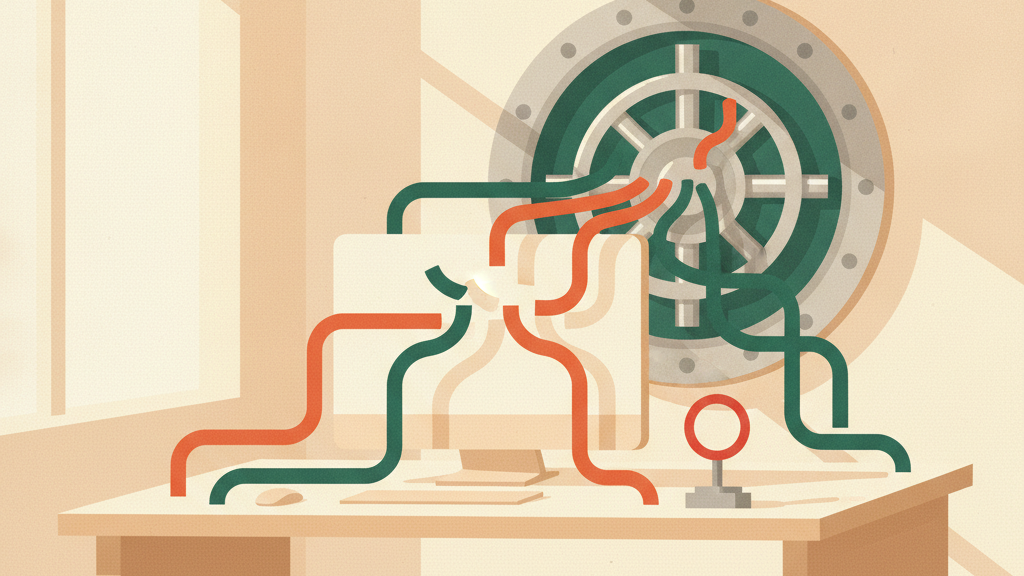

The Framework Act on the Development of Artificial Intelligence and Establishment of a Foundation of Trust, or the AI Framework Act for short, took effect on January 22. As the tenth day of enforcement approached, the center of discussion shifted to what the law actually captures. The ten domains the government designated as high-impact AI, and the grace period announced as lasting at least one year, are the two axes.
High-impact AI refers to artificial intelligence that has a significant effect on human life, safety, and fundamental rights. The government placed ten areas here: energy, drinking water, healthcare, nuclear power, criminal investigation, hiring, loan screening, transportation, public services, and education. Systems falling into these areas face concentrated obligations on transparency, safety, and accountability. That means explaining how a system reached its conclusion, managing risk, and identifying where responsibility lies when a problem occurs.
The question is how far open those ten doors are. An official at the Ministry of Science and ICT explained that high-impact AI is defined as systems with no human involvement at all, so there are not many applicable cases. The example given was fully autonomous driving at Level 4. The list runs ten lines, but the cases actually caught become extremely narrow.
The gap becomes clear in hiring. Even if AI is used in document screening, the case falls outside the scope of regulation when a person is involved. Yet what divides the level of involvement is not specified in the statute. There is considerable distance between a staff member glancing over the results and holding the authority to overturn them, and there is no scale for measuring that distance.
This design is partly intentional. Unlike the European Union's AI Act, the AI Framework Act does not prohibit particular uses of artificial intelligence in principle. It is a tiered regulatory approach that places management responsibility only on areas with large social impact.
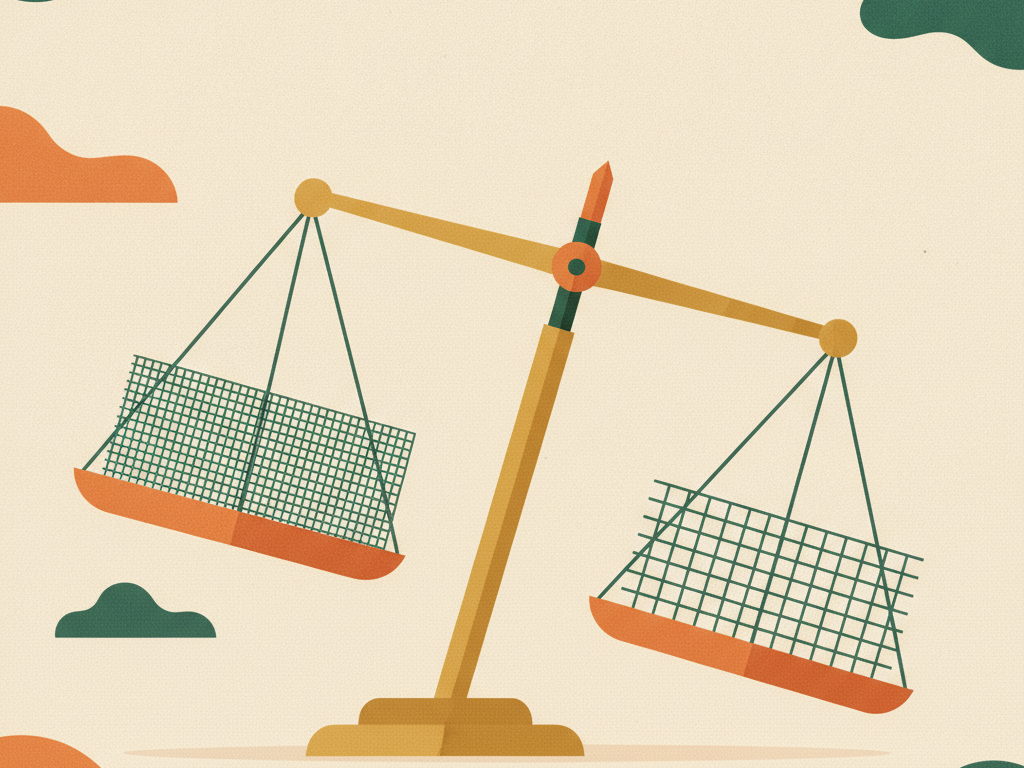
Businesses are also divided into developer businesses and user businesses, and for items 1-3 of business obligations, fulfillment by the developer business is deemed fulfillment by the user business as well. It is a device meant to ease the burden on companies adopting the technology.
Attention on the ground is focused here as well. The law firm Daeryun and the Korea Artificial Intelligence Association held a seminar titled "The AI Framework Act: Corporate Response Strategies" in Yeouido on January 29, both online and offline. The government plans to set a grace period of at least one year, operate a support desk, and strengthen guidelines. When the grace period is counted from, and what the deadline is based on, have not been disclosed.
It also emerged that opinions diverge from the outset over which direction to take regulation. At "AI Seoul 2026," held on January 30 by the Seoul Metropolitan Government and the Seoul AI Hub, Yoshua Bengio, professor at the University of Montreal, said regulation is necessary on the grounds of the uncertainty of general-purpose AI. At the same event, Ko Sang-won, senior research fellow at the Korea Information Society Development Institute, countered that regulation must be loosened to keep innovation alive. Ko cited the European Union moving to delay the enforcement date for high-risk AI regulation and the United States continuing its deregulatory course.
The label "world's first" is also a subject of dispute. Views that see this law as the world's first AI framework act appear alongside counterarguments that it is not. That is why substance matters more than a fight over naming. How many cases the law has been applied to becomes the report card for the next year.
Not much changes right away. Job seekers curious about whether AI was used in hiring decisions, and people who want to hear the reasons in loan screening, do not have much in hand now. Only when the grace period ends and the scale for human involvement is set will this law issue its first actual determination. Until then, the AI Framework Act remains a law in force and at the same time a law that has not begun to operate.