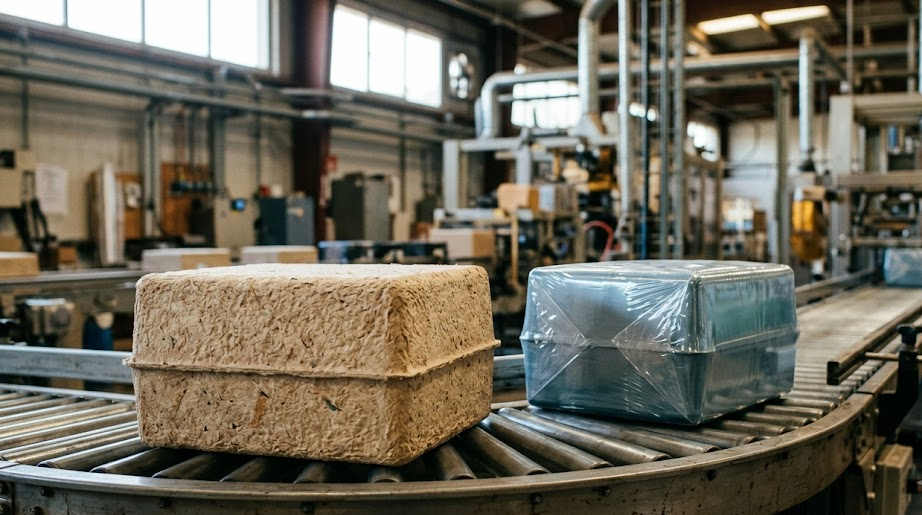
Coupang said on May 29 that sales at participating small and mid-sized companies in its "Energy-Saving Shopping" promotion, run through the month of April 2026, rose an average of about 10% compared with the same period a year earlier. Some 240 small and mid-sized companies listed about 1,000 products in the promotion. The growth rate is an average across participating companies, and absolute figures such as transaction value or units sold have not yet been released alongside it.
Quantitative cases in which high-efficiency and eco-friendly consumption translates into results for small manufacturers are not common. Until now the spread of eco-friendly consumption has often been handled through surveys or perception studies, and it has rarely been presented as sales movement in a specific sales channel. This result amounts to one month's record of power-saving product categories being linked to actual purchases.
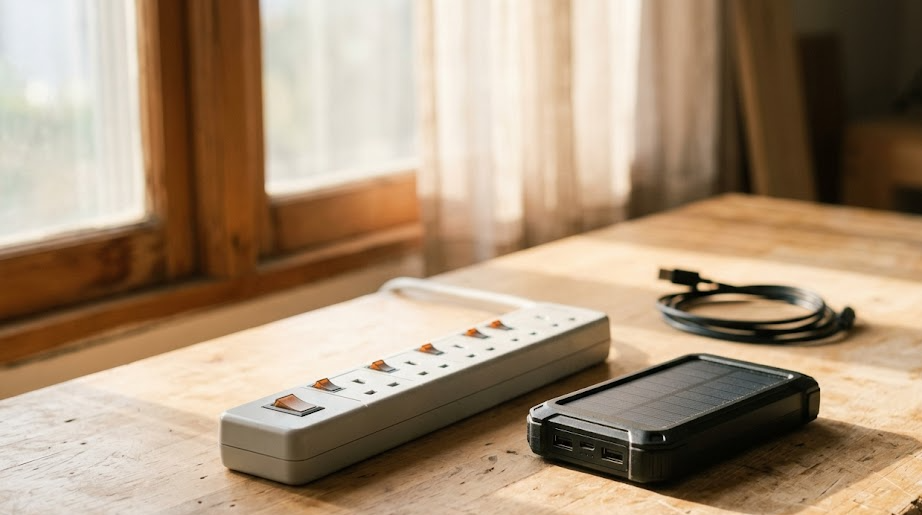
By company, the variation is wide. EZNet Ubiquitous, in business for more than 20 years, posted a 139% increase from a year earlier on the strength of solar power banks. Taeyoung TS, which makes power-saving multi-outlets, showed a 48% increase for its "EcoPowerTap individual power-saving multi-outlet," though accounts differ on whether that figure refers to the company's overall results or to that product alone.
The items that drove sales were concentrated in devices that reduce electricity use, such as solar power banks and power-saving multi-outlets. Because the sales share by item has not been disclosed, it is not possible to calculate what percentage of the total increase each category accounted for. Coupang also released its results from participation in the government's "Top-Efficiency Appliance Rebate Program." It said its performance was the highest for a single retail channel.
Conditions apply to reading the figures. During the promotion period, sales-promotion factors such as discounts, coupons and top placement in search results operate at the same time. Comparison data that would separate the share driven by growth in eco-friendly demand itself from the share created by promotions is not included in this announcement. All tallies are based on the platform's own analysis.
The standard for distinguishing a one-off event effect from a demand-based change is the trend after the promotion ends. If sales at participating companies stay near April levels after May, there is room to read it as a sign that consumer preferences have shifted. If it turns out to have been concentrated only in April, this 10% narrows to a result limited to the event period.
Comparison points are also needed. April sales at small and mid-sized companies in the same industries that did not take part in the promotion, and the growth rate of the domestic power-saving and eco-friendly product market as a whole, must be examined together in order to subtract market expansion from this increase. Neither indicator was presented this time.
The government's high-efficiency appliance rebate program is still under way, and the season when demand for power-saving devices concentrates ahead of summer peak electricity demand is approaching. Once sales records for June-August accumulate, there will be material for gauging what the 10% for the single month of April amounted to. How the roughly 240 companies pass through that stretch is the next point to check.