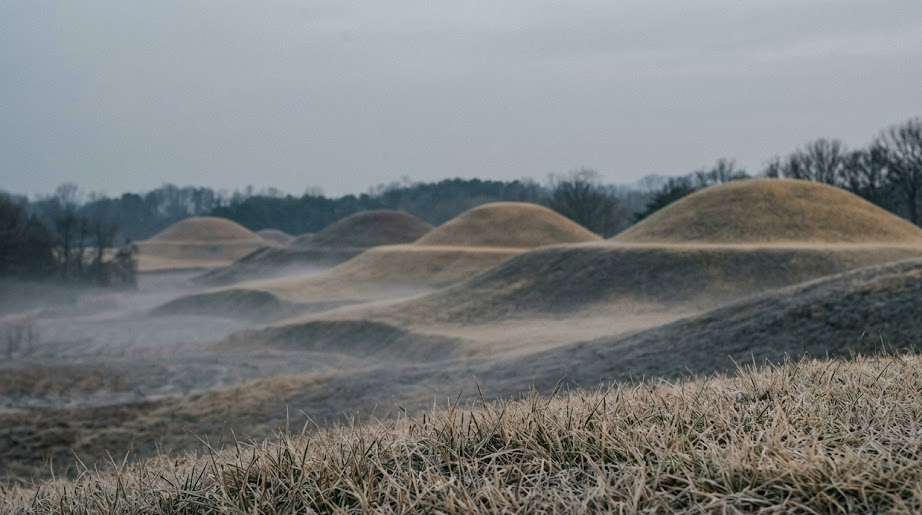
Gujibong on a winter morning is quiet. The dirt path, frozen and thawed over and over, crumbles into small pieces underfoot, and a faint smell of earth rises through the dry grass. It is a hill so low that calling it a summit feels awkward, yet thick stacks of paperwork are now being prepared over it. It is time to ask what the paperwork is meant to protect.
The Gaya Tumuli were placed on the World Heritage List. And Gimhae has begun work to put Gujibong, the Royal Tomb of King Suro and the Bonghwang-dong site on the list next. It means that the next listing bid started right where the last one ended.
Consider for a moment another calendar on the same southern coast. The 31st Busan International Film Festival opens on October 6, 2026 and closes on the 15th, running for exactly ten days centered on the Busan Cinema Center. On September 1, the full lineup of invited films is announced. The event has a beginning and an end, it has a list of names, and the moment for grading it is fixed.
Heritage has none of that. Even so, listing is treated more and more like an opening day. The moment putting a name on a list becomes the finish line, conservation sinks into an accessory of performance figures.
The counterargument is strong. Covering excavation and maintenance on local finances alone is all but impossible, and listing is close to the only lever that draws in budget, staff and attention at once. The claim that a name has to be attached before people come, and people have to come before money follows, is cold but not wrong. It is hard to ignore the fact that without a name, a site also gets pushed down the queue when it comes to protection.
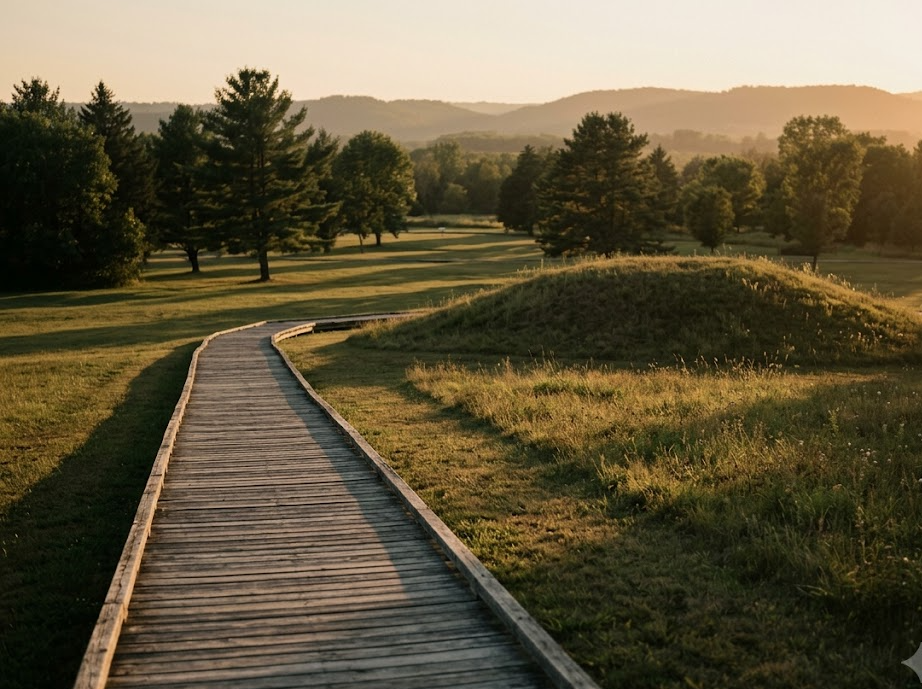
So the question lies in what increases after a listing. Decking is laid beside the mounds, parking lots widen, lighting goes up. Heritage made of soil and grass sinks as much as it is walked on, and is groomed again as much as it has sunk. Once the grooming repeats, from some point on what we are looking at becomes a copy of the heritage.
If even half the energy spent preparing additional listings went to managing the places already on the list, that city would have a different kind of report card. One graded not by how many entries it won, but by whether the lines of the mounds are unchanged ten years later. The latter does not appear in press releases and does not survive in commemorative photographs. That is why this momentum carries its most honest weakness.
The dirt path on Gujibong is still open to anyone. Standing on the hill, the city spreads low below, and underfoot the frozen soil still crumbles into small pieces. Watching what gets built on this spot from now on, or whether anything gets built at all, is far more accurate news than word of a listing.