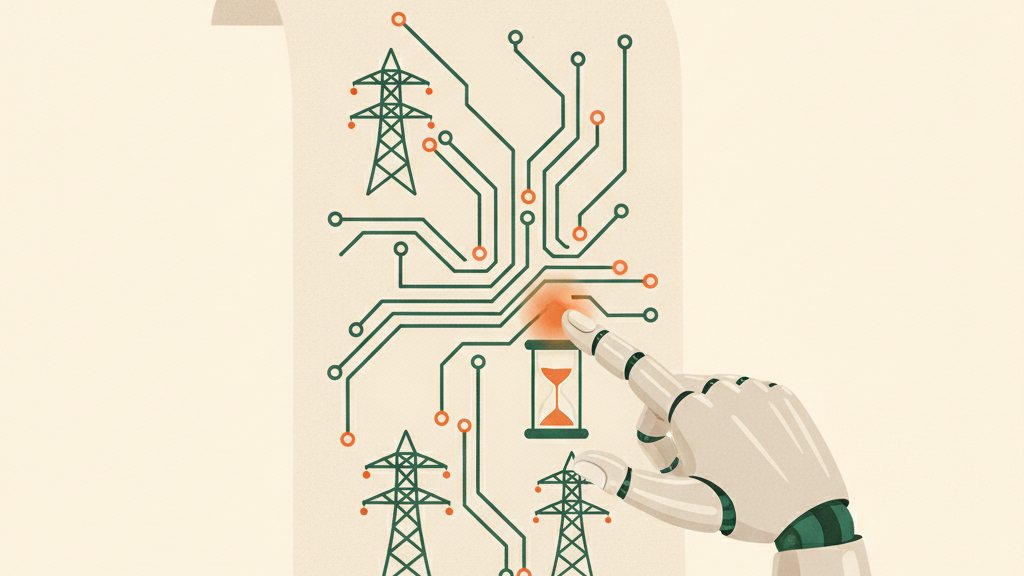

About two weeks after the Financial Security Institute (금융보안원) warned of security risks related to AI agents, a bank suffered damage from a hacking attack that used AI. There was a warning. The attack broke out in the area of AI agent hacking that the warning had pointed to.
Two weeks was too short for a warning written on a single sheet of paper to become a line of defense on the ground.
An AI agent is an AI program that, once a person sets only the goal, finds data and runs programs while carrying out multi-step tasks on its own. A chatbot gives an answer and stops, but an agent acts on real systems. Microsoft CEO Satya Nadella has also pointed out that companies are handing agent systems access to their most sensitive data and their core operations.
It has not been disclosed whether the attackers used an agent as a weapon in this incident or whether an agent the bank was running for internal work was breached. The two call for different remedies. If it was a tool on the attackers' side, the bank's defense systems had to hold out against a machine that pours in far more attempts than a person, without rest, and if an internal agent was breached, it is a case where permissions the bank itself granted were used in the attack.
Global security firm CrowdStrike said it is tracking six AI agents. It has not been revealed whether these six are attack programs or the organizations that operate them, or whether they are related to the bank incident.
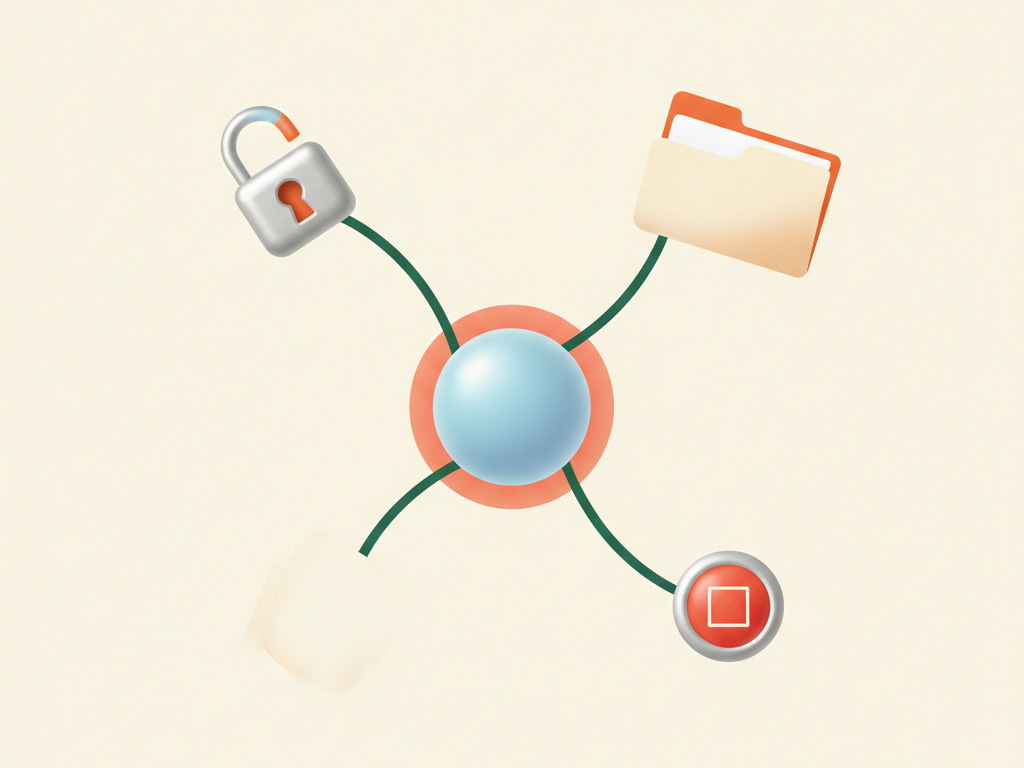
Lee Won-tae, chair of the AI strategy committee, said in remarks at the "Management Strategy Summit 2026" reported on the 12th that companies are entrusting work to AI agents without defining the scope of data an agent can look into, the scope of tasks it can touch, or how to stop it from operating when an incident occurs. The last item is commonly called a "kill switch," meaning a mechanism by which a person immediately cuts off an agent's access once abnormal behavior is detected. Without such mechanisms, when a single agent is breached, the entire set of access permissions that agent holds is handed over.
The remedy Nadella put forward is to keep control outside the model. It is a method in which a separate management system grants permissions to the AI and takes them back. The model follows instructions. That is because if the instructions are contaminated, safeguards inside the model alone can hardly hold out.
The gap between the Financial Security Institute's warning and the bank's damage was about two weeks. For financial companies bringing in AI agents, demands are bound to grow that adoption contracts spell out the data scope, task scope and shutdown procedures together.
As more AI in banking apps provides consultations and organizes transaction histories, that convenience comes with permissions that lead to customers' accounts.