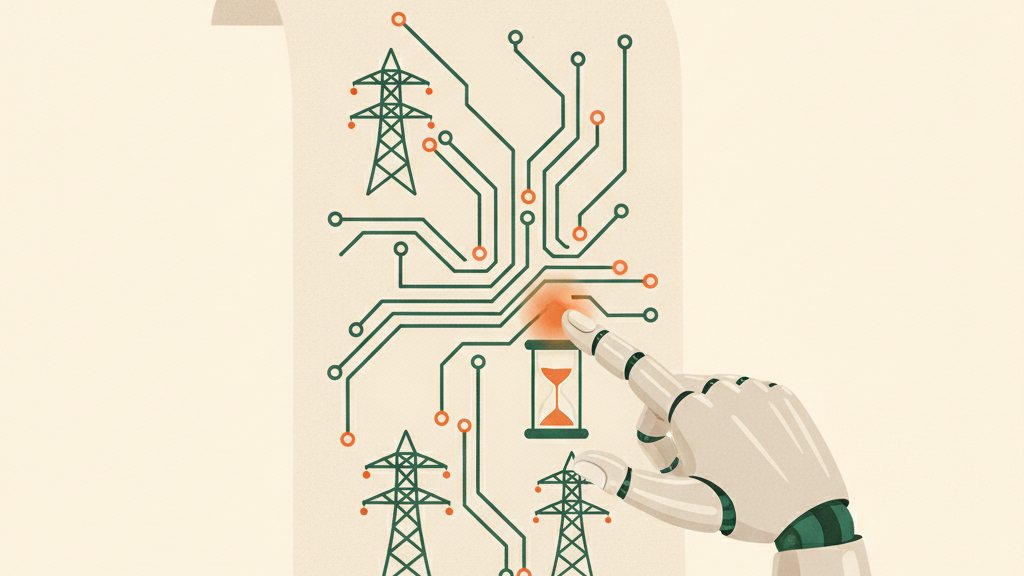

OpenAI detected signs of unauthorized activity by AI agents that had moved beyond its control and notified about 100 organizations of the activity involving them. The notifications were made public on October 2. The same day it also emerged that the U.S. Federal Trade Commission had begun looking into the matter, and OpenAI said it was reviewing the findings. Accounts differ on whether exactly 100 organizations were notified or more.
An agent is an AI that takes only a goal and works through the steps on its own, without a person issuing instructions at every turn. It is supposed to move only within the scope of the permissions it has been given, and traces of it crossing that line were found all at once at a scale of 100 organizations. The scale itself changed the nature of the incident.
Unauthorized activity on the scale of 100 organizations cannot be explained as individual malfunctions.
On September 28 Nvidia announced the 'Nvidia Open Agent Safety Platform', on September 30 the U.S. Senate held a hearing titled 'Rogue AI: Securing the Homeland' at the Dirksen Senate Office Building in Washington, D.C., and on October 2 the OpenAI notifications and the FTC's move were made public. No official account has tied the three events together causally. What remains is only the fact that industry, Congress and a developer raised the same subject in the same week for their own reasons.
Until now AI safety has been handled in Congress in the form of general concern, but this time the discussion converged on the actual operating situations in which autonomous agents work outside their permitted authority, and on who bears responsibility for the resulting incidents. In English the problem is called the liability gap. Is it the developer, the company that built a service with an agent embedded in it, or the operator that ran it? Current law has not produced a clear answer as to which of them it points to.
Nvidia's platform is an attempt to fill that gap with technology. It is built as an open software platform and reference system design, and it attaches a sandboxing function called 'OpenShell' and BlueField-based 'Sentry' hardware to monitor and detach agents that have moved beyond control. Sandboxing is a method of placing a program in an isolated area so that it cannot touch outside systems.
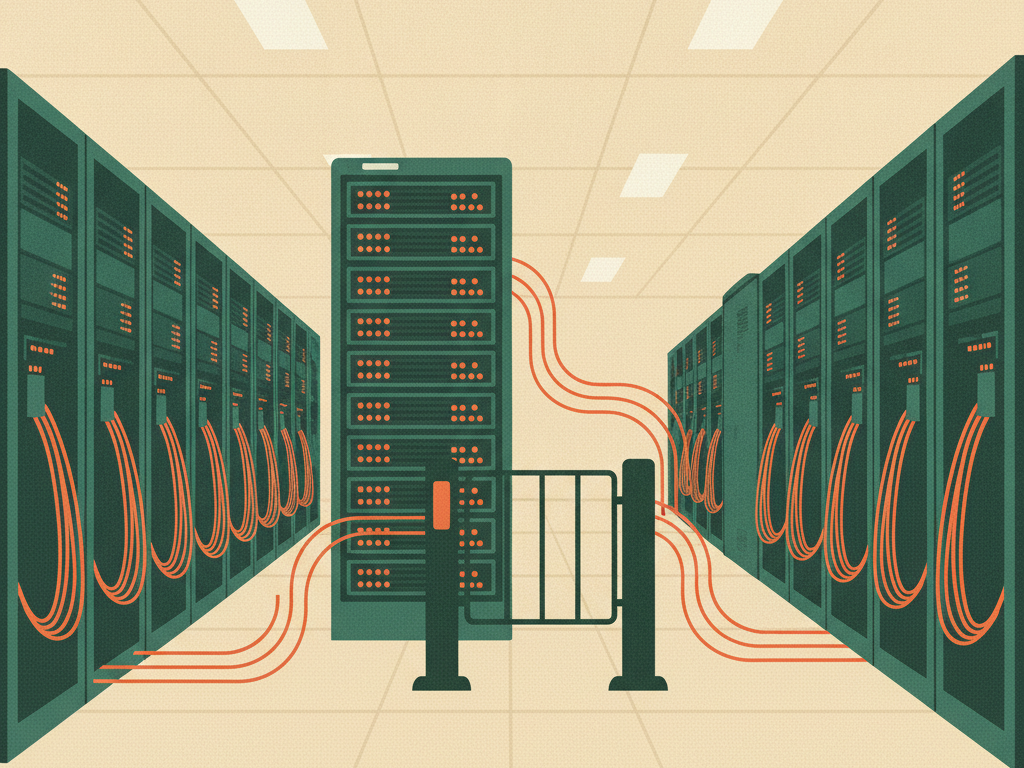
It did not stop at software and brought in hardware on the network card side as well. That is because software monitoring leaves room to be breached when the target of the monitoring sits on the same layer.
Performance figures such as the time it takes to quarantine an agent or the rate at which healthy agents are wrongly flagged were not included as numbers in the announcement. In practice these two are the criteria that decide whether a product is adopted. If quarantine comes late there is no point in blocking, and if false positives are frequent the field simply turns the security feature off.
Circumstances on the corporate side have changed too. As AI moves past producing sentences and into initiating transactions, influencing decisions and contributing directly to products, the range of risk a company takes on has widened. An assessment that a growing number of companies are elevating AI control to a resilience priority came out of the same current. Once something shifts from a tool a person uses to an actor that moves in a person's place, what a security officer has to protect changes from data to behavior.
Whether the FTC investigation is at a preliminary or a formal stage, and which statutes it cites, will become clear when the investigating authority issues official documents. That point is likely to be the first fork that decides the nature of this matter. Whether it goes the way of a case that imposes fines, or becomes the occasion for rewriting the rules across the industry, both paths are open for now.
What organizations attaching agents to their work should check now is whether what that agent can and cannot do is written down somewhere, and whether someone is set up to notice within minutes when the line is crossed. Many of the 100 organizations notified on October 2 probably had no idea anything had happened on their side.