search
Please try entering for quick search.
⌘K Quick open Enter Search ESC Close

Brain Training and Dark Showers: Lifestyle Habits that Aid Inner Recovery

입력 12/1/2025 7:56:00 PM

Neuroplasticity Training and Light Blocking are Effective in Alleviating Anxiety and Insomnia

According to the 2024 Sleep Status Report published by the Korean Sleep Research Society, the average sleep time in Korea is 6 hours and 58 minutes, which is 18% less than the OECD average. The number of patients visiting hospitals for insomnia has steadily increased from about 510,000 in 2017 to about 710,000 in 2021. Cases of declining sleep quality are on the rise due to stress, smartphone dependency, and irregular lifestyle rhythms.

In this context, cognitive training utilizing the brain's neuroplasticity is gaining attention. Neuroplasticity is the concept that the brain can be rewired in terms of structure and function based on acquired experiences and environmental stimuli. In the past, it was believed that brain development stopped once a person became an adult, but today it has been scientifically proven that synaptic connections are strengthened or weakened as the brain learns new information.

According to a psychiatrist, consistently practicing mindfulness meditation stabilizes the interaction between the prefrontal cortex and the limbic system. By gradually facing anxiety and repeatedly experiencing broken predictions, the brain changes to reduce excessive alarms. In fact, brain imaging studies have reported changes in brain activation patterns before and after exposure and response prevention therapy.

Meanwhile, dark showers are spreading as a new sleep routine centered around social media. A dark shower is a method of showering with warm water while minimizing bathroom lighting. According to foreign media such as the New York Post and Fox News, it has established itself as a wellness trend after spreading on TikTok and Instagram, with analyses from sleep experts added.

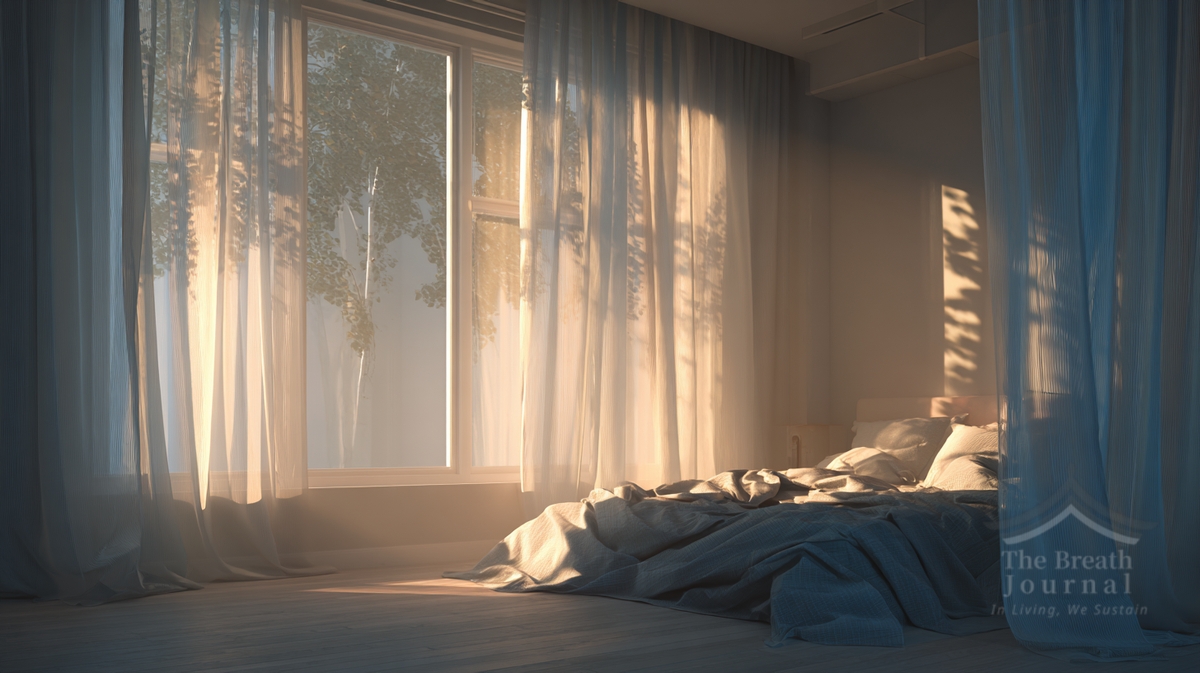
Experts explain the key principle of dark showers as the stabilization of the nervous system due to light blocking. Bright light and blue light increase cortisol and suppress melatonin, keeping the body in an alert state. In contrast, when brightness decreases, visual information is reduced, activating the parasympathetic nervous system, and the body shifts into rest mode.

The gradual drop in body temperature after a warm shower also promotes melatonin secretion. This mimics the natural environmental change of decreasing temperatures as the sun sets, and research shows that the faster the drop in body temperature, the shorter the time it takes to fall asleep.

However, complete darkness can increase the risk of falls, so caution is needed. If there is anxiety about darkness due to depression or trauma experiences, it may actually increase tension. Experts recommend using indirect lighting or low-intensity lighting and installing non-slip mats in the bathroom. For those with dizziness or blood pressure fluctuations, it is safer to avoid very hot water and keep the showers short.

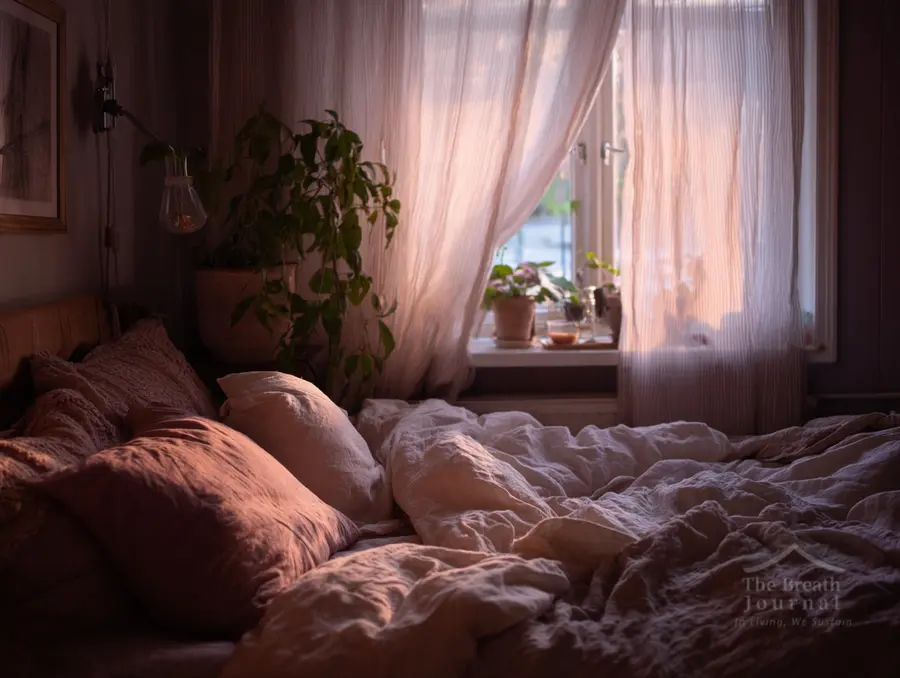
A healthy dark shower method is as follows: Shower with warm water for about 10-15 minutes 1-2 hours before bedtime. Use indirect lighting or adjustable lighting instead of bright lights. Stop using screen devices such as smartphones and TVs before and after the shower, and maintain the indoor temperature to allow the body temperature to naturally decrease after the shower.

Lifestyle habits like mindfulness training utilizing neuroplasticity and dark showers are practical ways to take care of both body and mind. For modern individuals exposed to repetitive light stimuli and mental overload, small environmental changes and consistent training can help restore inner balance.

×